Category: Dairy and Alternatives

  • Can Dogs Eat Syrup?

    Can Dogs Eat Syrup?

    Dogs can have small amounts of natural maple syrup, but artificial versions with additives like xylitol should be avoided as they are harmful. Pure maple syrup, when given in moderation, can be a safe treat with peanut butter or rolled oats. However, its high sugar content can lead to obesity, diabetes, or dental problems if consumed in excess.

    Pure maple syrup provides nutrients like manganese and antioxidants, which support the immune system and reduce inflammation. Can Dogs Eat Syrup? While it has benefits, dogs are sensitive to sugar, so it should be an occasional treat. Plain pancakes with dog-friendly fruits are a better option than those with syrups or harmful toppings like chocolate.

    Can Dogs Eat Maple Syrup? Is Maple Syrup Safe For Dogs?

    Maple syrup is safe for dogs in small amounts and provides nutrients like manganese and zinc that boost their immune system. However, its high sugar content can lead to obesity or diabetes if given in excess. Only use pure maple syrup without artificial additives, as harmful ingredients like sweeteners and preservatives can be detrimental.

    Avoid imitation syrups containing xylitol, which is toxic to dogs and can cause severe health issues. While pure maple syrup is not toxic and can be a rare treat, it should be given sparingly. Dogs can also have other natural sweeteners, but chocolate should be avoided due to its dangers.

    can a dog eat maple syrup

    How Is Maple Syrup Safe For Dogs?

    Maple syrup can be a safe treat for dogs in small amounts, offering nutrients like manganese and zinc. However, due to its high sugar content, it should only be given occasionally to avoid obesity or diabetes. Artificial syrups, especially those with xylitol, are harmful and should be avoided as they can cause serious health issues.

    Serve only pure, organic maple syrup without additives. You can mix it with peanut butter or drizzle it over meals, but limit it to a tablespoon per day and only a few times a week. Although not necessary for their diet, it can be a tasty treat, but always consult your vet first.

    While both dogs and cats can eat maple syrup, it isn’t needed in their daily diets. It mainly provides sugar with minimal nutrients. Some dogs may enjoy the taste, but cats usually do not, as they lack taste receptors for sweetness.

    How Can I Safely Give Maple Syrup To My Dog?

    Dogs can have natural maple syrup in small amounts, benefiting from nutrients like manganese and zinc. Avoid artificial syrups with harmful additives. Serve maple syrup with peanut butter or rolled oats, and limit it to small quantities.

    Watch for allergic reactions such as vomiting, diarrhea, itching, or swelling. Introduce new foods slowly and monitor your dog for any negative effects. If you notice any issues, consult your vet.

    Consult your veterinarian before adding maple syrup to your dog’s diet, especially if they have food allergies. While not harmful in moderation, it’s important to observe your dog and ensure they don’t have any adverse reactions


    Can Dogs Have Maple Syrup? 3 Harmful Ingredients to Look For

    Dogs can safely have small amounts of natural maple syrup with treats like peanut butter or rolled oats. Avoid artificial maple syrups due to harmful additives such as sweeteners, preservatives, and xylitol, which can be toxic.

    Maple syrup’s high sugar content can lead to obesity and weight gain. Xylitol and artificial flavorings may cause severe health issues, including seizures and digestive problems. Stick to natural sweet treats like fruits or vegetables instead.

    Never give your dog syrups with artificial ingredients or harmful additives like corn syrup, preservatives, or xylitol. For more pet safety information, consult resources like the ASPCA.
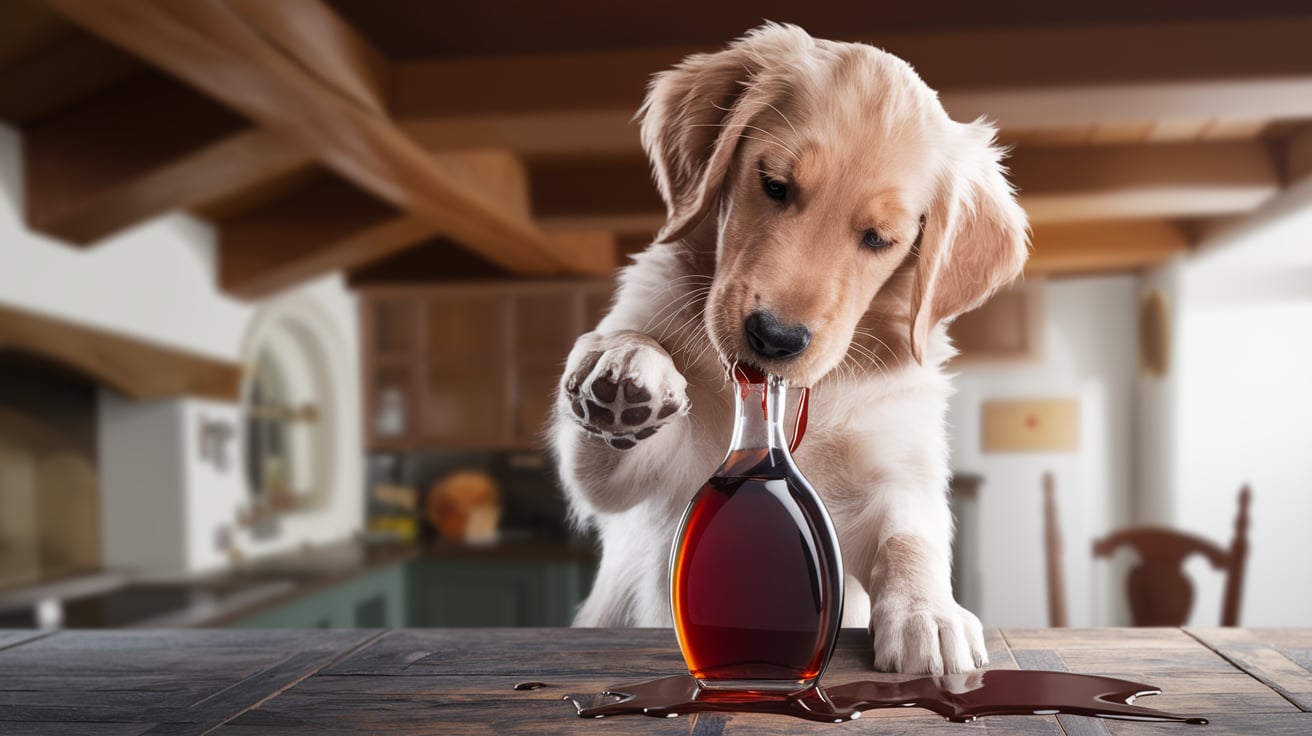
    can dogs eat maple syrup

    Can Dogs Have Maple Syrup?

    Maple syrup is safe for dogs in small amounts and provides beneficial nutrients like manganese and zinc. However, its high sugar content can lead to obesity or diabetes if overconsumed. Only use pure, organic maple syrup and avoid artificial ones with harmful additives.

    Avoid imitation syrups containing xylitol, as they are toxic and can cause severe health issues. You can mix a small amount of pure maple syrup with peanut butter or rolled oats as a treat, but limit it to a tablespoon per day. Always consult your vet before adding new treats to your dog’s diet.

    Vermont Maple Syrup is known for its high-quality, organic products, including syrup, sugar, and candy. Sourced from a 1,200-acre farm in Guilford, Vermont, it is praised for its purity and classic packaging.

    How to Calm a Panting Dog: 3 Tips for Calming an Anxious Dog

    Excessive panting in dogs often signals more than just being out of breath; it can point to anxiety or health issues. Creating a calm environment, such as playing soft music or white noise, can help mask disturbing sounds and reduce stress. This approach helps soothe dogs who are anxious or easily startled.

    Identifying the cause of your dog’s panting is crucial for effective management. Some dogs, especially those with chronic issues or high alertness, may need extra care to remain calm. By understanding and addressing these triggers, you can better support your dog’s comfort and reduce their anxiety.


  • Can Dogs Eat Donuts 

    Can Dogs Eat Donuts 

    Donuts are harmful to dogs due to their high sugar and fat content, which can cause issues like pancreatitis and digestive upset. Can Dogs Eat Donuts The frying oil can also lead to stomach problems, making donuts an unsuitable treat for dogs.

    If your dog eats a donut, watch for signs of discomfort. Although a small amount might cause minor issues, the risk of severe health problems is significant. If your dog regularly consumes donuts or shows symptoms, consult a veterinarian.

    Can dogs have blueberry donuts? 

    Blueberry donuts are not safe for dogs despite their fruit topping. The high sugar and butter content can cause health problems, so it’s best to avoid giving them to your pet.

    Even a tiny amount of donuts can lead to issues due to sugar and fat. If your dog eats donuts, monitor them for any signs of trouble and consult a vet if they consume a large quantity.

    Can dogs eat glazed donuts? 

    Donuts are unsafe for dogs due to their high sugar and fat, which can lead to pancreatitis and digestive issues. If your dog eats donuts and has an upset stomach, a bland diet like rice and unseasoned chicken may help.

    Even removing excess sugar from donuts doesn’t make them safe for dogs. It’s essential to avoid giving your dog such treats and choose healthier alternatives.

    Are donuts bad for dogs? 

    Can Dogs Eat Donuts 

    Dogs struggle to process the high sugar and fat in donuts, which can lead to severe conditions like pancreatitis. Some donuts may also contain harmful ingredients like caffeine or chocolate, which are toxic to dogs.

    Although the essential ingredients of donuts are not toxic, their high sugar and fat content make them unsuitable for dogs. Eating donuts can cause digestive issues such as diarrhea or vomiting. If your dog has eaten donuts, a bland diet of rice and unseasoned chicken may help.

    Can my dog eat donuts?

    Donuts are harmful to dogs because of their high sugar and fat content, which can lead to pancreatitis and digestive issues. If a dog eats a donut and has an upset stomach, a bland diet of rice and unseasoned chicken may help.

    Even small amounts of donuts can cause health problems in dogs. Ingredients like refined sugar and butter are particularly harmful, so it’s best to avoid giving your dog donuts and opt for safer treats.

    Dangerous Ingredients For Dogs in Donuts?

    Donuts are harmful to dogs due to their high sugar and fat, which can cause pancreatitis, obesity, and dental issues. Ingredients like caffeine and chocolate are incredibly toxic and dangerous for pets.

    Even a tiny amount of donut can lead to health problems like tooth decay and discomfort. While donuts are a favorite treat for people, they should be avoided for dogs in favor of healthier options.

    Can donuts kill dogs? 

    Can Dogs Eat Donuts 

    Donuts are unhealthy for dogs due to high sugar and fat, leading to risks like pancreatitis and digestive problems. If your dog eats donuts and has an upset stomach, feeding them a bland diet of rice and unseasoned chicken can help.

    Some donuts, especially those with chocolate or macadamia nuts, can be very dangerous and potentially fatal. Even though most cases may only cause minor issues, it’s essential to keep donuts away from dogs and consult a vet if they consume harmful types.

    So, can dogs eat plain donuts?

    Plain donuts, even without harmful ingredients like chocolate, are not safe for dogs. They contain sugar and butter, which can cause digestive issues and make your dog ill. Can Dogs Eat Donuts Sugary and fatty foods should be avoided in a dog’s diet.

    Jelly-filled donuts, like munchkins, pose an even greater risk. These can lead to indigestion, diarrhea, or more severe issues like pancreatitis, which can be fatal. If your dog consumes a donut, consult a veterinarian immediately.

    What to Do if Your Dog Eats a Donut

    If your dog eats a donut, remove any remaining donuts immediately. Identify what type of donut was eaten, its ingredients, and how much was consumed. Also, note the time to monitor for symptoms.

    For minor stomach upset, feed your dog a bland diet like rice and unseasoned chicken. Watch for vomiting or diarrhea, and contact a vet if symptoms worsen. If the donut contains harmful ingredients like xylitol or jelly, seek veterinary help quickly.

    Sugared donuts are usually less harmful but still check for toxic additives. Always verify the ingredients, especially xylitol, and monitor your dog closely after consumption.

  • Can Dogs Eat Cheese?

    Can Dogs Eat Cheese?

    Cheese can be a delightful treat for most dogs, making it a popular option for training rewards. Can Dogs Eat Cheese Its rich flavor is irresistible to many pups, and when given in small amounts, cheese can serve as a highly effective incentive, particularly in distracting environments. However, dog owners must be cautious when introducing cheese into their pet’s diet, as not all dogs can tolerate dairy. Some dogs, like humans, are lactose intolerant, which can lead to digestive issues such as gas, diarrhea, or vomiting. Even for dogs that can tolerate it, cheese should only be an occasional treat rather than a regular diet.

    Certain types of cheese, such as Cheddar, Edam, and Red Leicester, are considered safer options because of their lower lactose content. On the other hand, varieties like blue cheese, or cheeses containing additives such as garlic or onion, should be strictly avoided as they can be harmful. Given cheese’s high fat and sodium content, feeding it in moderation is important. Pet owners are encouraged to start with small portions to ensure their dog can digest it comfortably. If any signs of discomfort arise, it’s best to discontinue feeding cheese and consult a veterinarian. While cheese is not toxic, it’s important to ensure it’s given wisely to keep dogs healthy and happy.

    Can Dogs Eat Cheese

    Can Dogs Eat Cottage Cheese?

    Cheese as a Treat for Dogs

    Cheese can be a great high-value treat for dogs, especially when used for training. Most dogs enjoy the rich flavor, making it a tempting reward. However, cheese should be given sparingly, as its high-fat content makes it unsuitable for regular consumption. While it isn’t toxic, cheese is best used as an occasional snack to keep dogs happy without compromising their diet.

    The Risk of Lactose Intolerance

    Some dogs are lactose intolerant, meaning their digestive systems can’t handle dairy products well. Feeding cheese to such dogs can lead to issues like gas, diarrhea, or vomiting. Even for dogs that tolerate cheese, it’s wise to introduce it slowly and monitor for signs of discomfort. If any adverse reactions occur, it’s best to avoid feeding cheese in the future.

    Safe Cheeses for Dogs

    Certain cheeses are safer for dogs due to their lower lactose content. Cheeses like Cheddar, Edam, Red Leicester, and cottage cheese are better options. Cottage cheese, in particular, is low in fat and sodium, making it a healthier occasional treat. Always avoid cheeses with harmful additives like garlic, onion, or blue cheese, which can be toxic to dogs.

    Feeding Cheese Responsibly

    It should make up no more than 10% of their diet when giving cheese to dogs. Testing with a small portion first helps ensure the dog can tolerate it without digestive problems. Stick to low-fat, plain cheeses, and monitor your dog’s reaction to maintain their overall health. Keeping cheese as an occasional indulgence will help prevent any potential health issues.

    Can Dogs Eat Cheese

    Can Dogs Eat Blue Cheese?

    Cheese as a Safe Treat  

    Cheese is a tasty treat for most dogs and can be used effectively for training purposes. However, due to its high fat content, it should only be given occasionally and in small amounts. While not toxic, cheese should never make up more than 10% of a dog’s diet to ensure they maintain a balanced and healthy intake. Using cheese sparingly helps prevent any digestive issues while keeping your dog happy.

    Lactose Intolerance in Dogs  

    Lactose intolerance is common in dogs, meaning some can’t properly digest dairy products. This can result in symptoms like vomiting or diarrhea. Even if your dog can handle cheese, it’s best to offer it in small amounts and monitor for any signs of discomfort. Keeping cheese consumption moderate helps avoid digestive upsets.

    Safe Cheese Options  

    Cheddar, Edam, Red Leicester, and cottage cheese are some of the safer cheese options for dogs, as they contain lower levels of lactose. Cottage cheese, in particular, is a healthier choice since it is low in fat and sodium. Always avoid cheeses with harmful ingredients like garlic or onion, and steer clear of blue cheese due to its toxicity.

    Dangers of Blue Cheese  

    Blue cheese should never be fed to dogs, as it contains roquefortine C, a substance that is highly toxic to them. If consumed, it can cause severe symptoms such as vomiting, diarrhea, seizures, and high temperatures. The more blue cheese a dog eats, the greater the risk of these symptoms occurring. If your dog ingests blue cheese, seek immediate veterinary care.
    Can Dogs Eat Cream Cheese?

    Cheese as a Treat for Dogs  

    Cheese can be a great treat for dogs, especially during training, but it should only be given in moderation. Its high-fat content means it’s best to limit it to an occasional snack. To maintain a balanced diet, cheese should make up no more than 10% of your dog’s daily intake. This way, your dog can enjoy cheese without the risk of gaining excess weight or digestive issues.

    Lactose Intolerance in Dogs  

    Some dogs are lactose intolerant, which makes digesting dairy products difficult for them. If a dog is lactose intolerant, eating cheese can result in symptoms like vomiting or diarrhea. Even for dogs that handle cheese well, it’s wise to introduce it in small portions and observe for any signs of discomfort. A cautious approach helps avoid unnecessary digestive problems.

    Safe Cheese Choices  

    Certain cheeses like Cheddar, Red Leicester, Edam, and cottage cheese are safer options due to their lower lactose content. Cottage cheese, in particular, is a healthier choice because it’s low in fat and sodium. Cream cheese can be safe in small amounts, but you should always avoid varieties that contain harmful ingredients such as chives, onions, or garlic.

    Dangers of Blue Cheese  

    Blue cheese is dangerous for dogs as it contains roquefortine C, a toxic substance. Ingesting blue cheese can cause severe symptoms like vomiting, diarrhea, seizures, and a high temperature. The more blue cheese a dog eats, the higher the risk of these symptoms. If your dog shows any of these signs after eating blue cheese, seek immediate veterinary care.

  • Can Dogs Eat Ice Cream?

    Can Dogs Eat Ice Cream?

    Ice cream isn’t toxic to dogs, but it’s hard for them to digest due to lactose. A small lick might be fine, but larger amounts can cause issues. Can Dogs Eat Ice Cream? Avoid chocolate, xylitol, or caffeine ice cream, as these are toxic.

    Most ice creams contain sugar, fats, or artificial sweeteners, which are unhealthy for dogs. Lactose intolerance can cause discomfort, so skipping ice cream is best to keep your dog safe.

    Is Ice Cream Good for Dogs?

    Ice cream isn’t toxic to dogs, but they struggle to digest dairy, which can cause stomach issues. A small lick of plain vanilla might not harm them, but it’s best to avoid it.

    High sugar and fat in ice cream are unhealthy for dogs, and flavors like chocolate or those with xylitol can be dangerous. Always monitor for signs of illness if your dog consumes any.

    While one accidental lick might not need a vet visit, keeping your dog away from ice cream is safer to avoid health risks.

    Can Dogs Eat Vegan Ice Cream?

    Vegan ice cream, while dairy-free, can still be harmful to dogs due to ingredients like nut-based milk, sugars, and additives. Almonds, walnuts, and artificial sweeteners like xylitol are difficult for dogs to digest and can be toxic. Even small amounts of harmful ingredients should be avoided.

    Some vegan ice creams are marketed as dog-friendly, but it’s crucial to check for any harmful ingredients. Even safe options should be given in moderation, especially for dogs with allergies or pancreatitis. Always ensure the ice cream is safe before sharing.

    Can Dogs Eat Ice Cream?

    Is Ice Cream Bad for Dogs?

    Ice cream can cause problems for dogs, especially due to lactose intolerance. After puppyhood, many dogs struggle to digest dairy, leading to bloating and diarrhea. Ice cream’s high sugar can also cause obesity and diabetes.

    Certain ingredients like xylitol and chocolate are toxic to dogs and can lead to serious health issues, including seizures and liver failure. Even non-toxic flavors contain fat, which may cause pancreatitis.

    For a healthier treat, offer frozen watermelon, carrots, or plain yogurt. These options are safe, low in sugar, and easier on your dog’s stomach.

    Dog-Friendly Ice Cream Alternatives

    Dogs can’t safely enjoy traditional ice cream due to its high sugar and dairy content. However, dog-friendly alternatives using ingredients like bananas and non-dairy milk are a great option. These treats avoid harmful ingredients like chocolate and raisins, allowing dogs to enjoy a cool snack safely.

    Homemade dog ice cream is easy to make and often requires a blender and freezer. These recipes are low in fat, sugar-free, and allergy-friendly. They’re a healthier option compared to store-bought ice cream.

    Dog-safe ice cream can also be bought in stores but should only be an occasional treat. Even these special ice creams shouldn’t make up more than 10% of a dog’s daily diet. Treats should always be given in moderation to maintain a balanced diet.

    Can Dogs Eat Ice Cream?

    What To Feed Your Dog Instead of Ice Cream

    It’s tempting to share ice cream with dogs, but it’s not a good idea due to its high fat, sugar, and lactose, which many dogs can’t digest. Some ice creams also contain toxic ingredients like xylitol, harmful to pets.

    Homemade dog ice cream from simple ingredients like bananas and non-dairy milk is a healthier option. It’s easy to make and safe for dogs, and humans can enjoy it too. Other dog-safe treats like carrots and frozen watermelon are also great alternatives.

    Quick, dog-friendly ice cream recipes can be prepared in minutes and stored for later. These options help prevent digestive issues and ensure your dog enjoys a safe, refreshing treat.

    My Dog Ate Ice Cream. Now What?

    If your dog eats ice cream, monitor them for reactions. A small amount of plain vanilla might be fine, but toxic ingredients like xylitol or chocolate can be dangerous. Contact a vet if symptoms like vomiting or diarrhea occur.

    Healthier alternatives include frozen yogurt or banana-based “ice cream.” These treats are easier to digest and safer for dogs. Companies like Ben & Jerry’s also offer dog-friendly frozen desserts.

    Always introduce new treats in small amounts. If your dog consumes something harmful, contact your vet immediately to ensure their safety.

    Ice Cream Has Dangerous Ingredients

    Ice cream might seem like a fun treat for dogs, but it can cause digestive issues due to lactose intolerance. Dogs often lose the ability to digest dairy after puppyhood, leading to bloating, diarrhea, or vomiting. The high sugar content can also lead to obesity and diabetes.

    Certain ice cream flavors contain toxic ingredients like xylitol and chocolate, which are harmful to dogs. Artificial flavors used in ice cream, such as benzyl acetate for strawberries, can pose long-term health risks for both dogs and humans. 

    Instead, offer your dog safer alternatives like frozen yogurt or fresh fruits like carrots and watermelon. These are low in sugar and much better for your dog’s health.

  • CAN DOG EAT SWEET POTATOES?

    CAN DOG EAT SWEET POTATOES?

    Sweet potatoes can be a nutritious and safe treat for dogs when offered in moderation. Packed with essential nutrients like vitamins A, B6, and C, they also provide important minerals such as potassium, iron, and calcium. One of the main benefits is their high fiber content, which supports healthy digestion in dogs, while the presence of beta-carotene helps with vision and overall cell growth. Can dog eat sweet potatoes?

    These starchy root vegetables are a common ingredient in commercial dog food, largely because they are considered a “complex carbohydrate,” offering a steady source of energy. However, it’s important to serve them plain, without additives like butter or sugar, to avoid harming your dog’s health.
    Sweet potatoes are also beneficial for dogs due to their low glycemic index, meaning they are less likely to cause blood sugar spikes, making them a safer option for diabetic or overweight dogs when given in controlled amounts.

    Additionally, they contain antioxidants that can protect against cell damage and boost immune function. Veterinarians like Dr. Gary Richter suggest including fresh whole foods like sweet potatoes in a dog’s diet for overall better health. However, care should be taken to avoid processed forms such as fries or chips, and to consult a vet before making any significant dietary changes.

    Can Dogs Eat Cooked Sweet Potatoes?

    Sweet potatoes, when cooked properly, can be a nutritious and enjoyable treat for your dog. However, it’s crucial to ensure they are prepared without any human-friendly additives like butter, cream, salt, or garlic, as these can be harmful and even lead to serious health issues such as pancreatitis.

    Cooking sweet potatoes is the best way to make them easier for dogs to digest and maximize their nutritional benefits, but they should always be given in moderation to avoid any digestive upset prepare sweet potatoes for your dog, start by thoroughly washing them to remove any dirt or pesticides, then peel the skin off and cut them into bite-sized pieces suitable for your dog’s size. You can steam, boil, or bake them until soft, allowing them to cool before serving. It’s important to keep the preparation simple, avoiding any oils, seasonings, or spices to keep your dog safe while they enjoy their tasty treat.

    CAN DOGS EAT RAW SWEET POTATOES?

    While cooked and unseasoned sweet potatoes are a safe and healthy treat for dogs when given in moderation, raw sweet potatoes should be avoided entirely. Uncooked sweet potatoes are not only tough for dogs to chew but can also pose a choking hazard. Their dense, hard texture makes them difficult to digest, potentially leading to an upset stomach or more serious gastrointestinal issues.
    Feeding raw sweet potatoes to dogs can result in complications such as intestinal blockages, especially for dogs that tend to eat quickly.

    Symptoms of such blockages include vomiting, loss of appetite, bloating, abdominal pain, and lethargy. If your dog accidentally consumes raw sweet potatoes and shows any of these signs, it’s important to seek veterinary care immediately to prevent further complications. Always cook sweet potatoes to ensure they are safe and easily digestible for your pet.

    CAN DOG EAT SWEET POTATOES?

    HEALTH BENEFITS OF SWEET POTATOES

    Sweet potatoes offer a wealth of health benefits for dogs, making them a valuable addition to their diet when fed in moderation. Rich in dietary fiber, they promote digestive health by alleviating issues like constipation and diarrhea while also helping dogs feel fuller for longer, which is useful for managing weight. Sweet potatoes are also low in fat and packed with essential vitamins and minerals like Vitamin A, B6, C, potassium, calcium, and manganese, all of which contribute to overall wellness, including healthy skin, coat, muscles, and nerves.

    Antioxidants found in sweet potatoes, such as beta-carotene and Vitamin C, play a key role in boosting the immune system, reducing inflammation, and protecting cells from damage caused by free radicals. These nutrients are particularly beneficial for eye health, as Vitamin A supports good vision, and the anti-inflammatory properties can help alleviate joint pain in dogs with arthritis.

    However, it’s important to note that while sweet potatoes are a nutritious carbohydrate source, they are high in sugar and should be fed in moderation, especially for dogs with diabetes or weight issues.
    Incorporating sweet potatoes into a balanced diet can promote stronger bones, thanks to the calcium content, and support heart and nerve function due to the high levels of potassium. Though sweet potatoes are a great source of healthy carbohydrates and fiber, which aid digestion and provide energy, they should not be a dog’s main source of nutrition. It’s important to ensure that dogs receive a balanced diet with sufficient animal protein, with sweet potatoes serving as an occasional treat or a supplement to their regular meals.

    CAN DOG EAT SWEET POTATOES?

    How to Safely Feed Sweet Potatoes to Your Dog

    Sweet potatoes can be a nutritious addition to your dog’s diet, but they must be cooked, peeled, and served plain. Avoid seasoning or adding ingredients like butter or salt that may be harmful to dogs. A little sweet potato purée can add flavor and fiber to your dog’s regular food or be used as a treat in puzzle toys. However, moderation is key, as treats should only make up 10% of a dog’s daily caloric intake, while the rest should come from a balanced diet.

    When introducing sweet potatoes to your dog, start with small portions and consult your veterinarian to ensure it aligns with your dog’s dietary needs. Cooking sweet potatoes properly removes harmful compounds and makes them easier for dogs to digest. Always avoid adding seasonings, oils, or other harmful ingredients, and monitor your dog for any adverse reactions after introducing sweet potatoes. Overfeeding can lead to issues such as weight gain, so it’s important to follow the “10% rule” and only offer small, appropriate portions based on your dog’s size.

    If your dog enjoys sweet potatoes and handles them well, you can gradually increase the serving size, but always ensure that sweet potatoes remain a small part of their overall diet. You can serve them boiled, baked, or steamed, cut into bite-sized pieces or mashed, and mixed into your dog’s regular meals. Remember to consult your vet for guidance on the appropriate amount for your dog, ensuring that these nutritious vegetables are given safely and in moderation.

  • Can A Dog Eat White Rice?

    Can A Dog Eat White Rice?

    White rice is commonly recommended for dogs experiencing digestive issues, such as diarrhea, due to its blandness and ease of digestion. Can a dog eat white rice? Its starch content helps bind loose stool, while the fiber and easily digestible carbohydrates can aid in stabilizing your dog’s gastrointestinal system.

    However, it should be fed in moderation, as white rice has a high glycemic index and may raise blood sugar levels, which can be a concern for dogs with diabetes or weight issues. Always consult a veterinarian before incorporating rice into your dog’s regular diet.

    While rice is a common ingredient in many commercial dog foods, not all dogs tolerate it equally. Some may have allergies or sensitivities to rice, while others may simply prefer different grains. When preparing rice for your dog, it’s crucial to serve it plain, without spices or salt, as these can be harmful.

    Rice can be a beneficial addition to your dog’s diet, but it should complement their balanced meals and be introduced with care, especially for dogs with specific health conditions. Always seek professional advice to ensure your dog receives the proper nutrition.

    Is Rice Suitable For Dogs?

    Rice can be a nutritious and safe addition to your dog’s diet, provided it is adequately prepared and given in moderation. While brown rice is more nutrient-dense due to its higher vitamin and fiber content, veterinarians often recommend white rice for dogs experiencing digestive issues such as diarrhea. Its quick cooking time and easy digestibility make it a go-to remedy for calming upset stomachs. However, due to its higher glycemic index, white rice can raise blood sugar levels, so it should be given sparingly to diabetic dogs.

    Both brown and white rice are non-toxic and packed with essential vitamins and minerals, including magnesium, iron, and B vitamins. Though complete dog foods typically provide all the necessary nutrients, adding a small portion of rice to your pet’s meals can offer digestive relief without impacting their overall nutrition. Whether using rice to soothe gastrointestinal problems or simply as an occasional treat, it’s essential to monitor your dog for any adverse reactions like itching or hair loss. Always consult your vet if introducing rice into your dog’s diet for the first time.

    Can a dog eat white rice?

    Health Benefits Of White Rice

    White rice is often the go-to option for dogs dealing with gastrointestinal issues due to its easy digestion and quick preparation. While it’s lower in protein, fat, and fiber than brown rice, white rice is higher in calcium and iron and contains folate when enriched. It is especially helpful in binding loose stool during bouts of diarrhea while also providing enough fiber to relieve mild constipation. Though brown rice has more vitamins, minerals, and fiber, white rice is better suited for dogs with minor intestinal issues because it’s easier to digest.

    For dogs needing energy-rich foods, rice can be a great source of carbohydrates. While brown and white rice come from the same plant, white rice is processed by removing the germ and husk, making it less nutritious but ideal for easing digestion. It’s low in fat and sodium and can support good bacteria in the intestines. However, adding rice to a dog’s balanced diet should be done carefully, and consultation with a vet or veterinary nutritionist is recommended for homemade diets to ensure all nutritional needs are met.

    How Much Rice Can My Dog Eat?

    Rice can be beneficial to your dog’s diet, but it should be given in moderation. As a carbohydrate-dense food, rice can contribute to weight gain if consumed excessively, especially when paired with commercial dog food, which often already contains rice. Carbohydrates are essential for providing energy, but dogs also require a balanced diet rich in protein, vitamins, minerals, and healthy fats. To avoid health risks like obesity or digestive issues, it’s essential to follow the 10% rule—rice and other treats should only make up 10% of your dog’s daily caloric intake.

    While rice can help with digestive issues like diarrhea, it shouldn’t be a daily staple in your dog’s diet. Too much rice can lead to constipation or stress on their digestive system. For large dogs, around ⅓ cup of rice two to three times a week is sufficient, while smaller dogs need even less. Introduce rice gradually and monitor your dog for any signs of digestive discomfort. Ultimately, rice should be considered an occasional treat, not a regular meal, to keep your pet healthy and prevent long-term issues such as weight gain or diabetes.

    Can a dog eat white rice?

    How to Prepare Rice for Your Dog?

    When choosing rice for your dog, opt for a high-quality, organic variety. Begin by rinsing the rice thoroughly to remove excess starch. Soak the rice in hot tap water for 8-10 hours, using a ratio of 6 cups of water for every cup of rice. Throughout the soaking process, drain and rinse the rice multiple times.

    After soaking, cook the rice by bis also higher in calcium, iron, and folate but has a high glycemic index, which can raise blood sugar levels, particularly for dogs prone to diabetes. While brown rice offers more vitamins and minerals, white rice is usually preferred for its gentler impact on sensitive stomachs.

    Although rice is a safe and nutritious option for many dogs, it’s essential to be mindful of potential risks. Excessive rice in a dog’s diet can lead to high blood glucose levels and, over time, arsenic buildup, mainly if rice is a regular component of their meals.

    Some dogs may also show allergic reactions or sensitivities to rice, resulting in symptoms like itching, hair loss, or GI issues. Introducing rice in moderation is crucial, ensuring it’s plain and free from added spices or sauces. For dogs with specific dietary needs or allergies, it’s always best to consult a veterinarian before introducing rice or any new food.

    Ways to Serve Your Dog Rice:

    For dogs experiencing gastrointestinal issues, veterinarians often recommend a bland diet of white rice and boiled chicken, as both are easy on the digestive system. White rice, in particular, is favored for its digestibility and ability to help soothe and balance an upset stomach, allowing dogs to return to their regular diet eventually. Preparing the rice without any seasonings or fats is crucial, as it can irritate your dog’s stomach. Cooking should involve rinsing the rice to remove excess starch and then boiling it in plain water or a low-sodium broth.

    While plain rice is a safe choice, other variations, like fried rice, are unsuitable for dogs due to harmful ingredients such as soy sauce, fats, onions, and garlic. Beans can be a healthy addition to a dog’s diet when combined with rice, providing valuable nutrients like vitamins, protein, and fiber. However, beans should be well-cooked and seasonings-free to avoid gastrointestinal discomfort. Healthy dogs might also enjoy a mix of rice, dog-safe vegetables, and meats, creating a nutritious and tasty meal option.

  • Can Dogs Eat Mustard?

    Can Dogs Eat Mustard?

    Mustard is highly toxic for dogs due to the presence of mustard seeds, which contain harmful compounds like isothiocyanates. These compounds can cause inflammation in the stomach and intestinal tract, leading to conditions such as gastroenteritis. Can Dogs Eat Mustard? All types of mustard should be avoided, including yellow mustard, Dijon, honey mustard, and even homemade mustard. While a small lick off your plate may not cause immediate harm, larger amounts can result in more severe symptoms such as vomiting, diarrhea, and stomach pain, which could require veterinary attention.

    Though mustard greens may be safe for dogs in certain preparations, mustard seeds themselves are the primary concern. Additionally, some store-bought mustard brands contain harmful additives like xylitol and excessive sugar, both of which are dangerous for dogs. If your dog consumes a significant amount of mustard, symptoms like gas, illness, and dehydration may occur.

    It’s important to monitor their condition and contact a veterinarian if symptoms persist. Ultimately, keeping mustard and mustard-based foods out of your dog’s reach is the best way to prevent any health risks. While the chance of a dog consuming raw mustard seeds or large quantities of mustard is relatively low, the potential risks are still significant. Dogs are naturally curious and may eat harmful substances when left unattended. Taking simple precautions, such as storing mustard out of reach, can help prevent your pet from ingesting this toxic condiment.

    Can Dogs Eat Mustard?


    Why is Mustard So Bad for Dogs?

    Mustard is dangerous for dogs primarily due to the toxic compounds found in mustard seeds. These seeds contain glycosylates, which can cause gastroenteritis, a painful inflammation of the stomach or intestinal tract. Common symptoms dogs experience after consuming mustard include vomiting, diarrhea,

    and abdominal pain. While a small amount might not cause severe harm, ingesting a significant quantity can lead to serious health issues.

    In addition to the toxins in mustard seeds, store-bought mustard often contains additional harmful ingredients. These additives may exacerbate the risks to your dog’s health. The presence of isothiocyanates and goitrogens in mustard seeds also poses a threat, with the latter potentially disrupting healthy thyroid function. It’s crucial to avoid giving mustard to dogs, and if they do consume it, monitoring for symptoms and consulting a vet if necessary is important.

    Can Dogs Eat Mustard?

    What Should I Do If My Dog Eats Mustard?

    Mustard is dangerous for dogs due to the toxic compounds found in mustard seeds, particularly glycosylates. These compounds can lead to gastroenteritis, causing inflammation of the stomach and intestines. Symptoms of mustard poisoning often include vomiting, diarrhea, and abdominal pain. Store-bought mustard can pose an even greater risk as it may contain additional harmful ingredients like salt and other seasonings, further aggravating the dog’s health. While a small lick might not cause immediate harm, consuming larger amounts can lead to more serious health issues.

    The severity of the reaction depends on factors such as the dog’s size, pre-existing health conditions, and the quantity of mustard consumed. For instance, a medium-sized, healthy dog might not be significantly affected by a tiny amount, but ingesting a larger quantity, such as from a spilled bottle, could lead to more severe symptoms. Dogs with gastrointestinal or liver issues may be more vulnerable to mustard’s toxic effects. If your dog eats mustard, it’s essential to closely monitor them for 24 hours and consult a veterinarian if any concerning symptoms arise. Storing mustard properly and avoiding feeding it to dogs altogether is the best course of action.

    Finally, mustard offers no significant nutritional value to dogs, so it’s not worth the risk of feeding it to them. Instead, pet owners should explore safer human foods that dogs can enjoy without compromising their health