Category: Proteins

  • Can Dogs Eat Sugar?

    Can Dogs Eat Sugar?

    When introducing new foods to your dog, it’s crucial to consult with your veterinarian first. Factors such as your dog’s age, health history, and dietary restrictions can significantly influence what is safe for them to eat. Can Dogs Eat Sugar? This is especially important for dogs on prescription diets, as they should not be given any treats or foods outside of their specified regimen.

    While natural sugars found in fruits might seem harmless compared to processed sweets, it’s essential to be cautious. Although sugary foods are generally not healthy for dogs, occasional small amounts of fruit can be acceptable. However, brown sugar should be avoided altogether, as it can lead to weight gain and other health complications if consumed regularly. Feeding dogs table scraps is a common temptation, but many human foods can be harmful or even dangerous for pets. It’s vital to evaluate the suitability of any new food item before sharing it with your furry companion.

    Can Dogs Eat Sugar?

    Is Sugar Bad for Dogs?

    Sugar is not toxic to dogs, but it poses several health risks when consumed in excess. While occasional small amounts of dog-safe fruits are generally safe, a high-sugar diet can lead to issues such as obesity, metabolic changes, diabetes, and even pancreatitis over time. It’s important to limit treats to no more than 10% of a dog’s total diet, with the remaining 90% coming from a portion of balanced dog food.

    Certain substances, like chocolate and xylitol, are highly toxic and can be life-threatening to dogs. Chocolate, in particular, contains methylxanthines, which can cause serious health problems, including vomiting, seizures, and even death, especially in larger quantities. Darker chocolates are more dangerous than lighter varieties, making it crucial to keep all chocolate away from pets. 

    While dogs can enjoy some fruits and vegetables, processed sugars, including brown sugar, provide no nutritional benefits and should be avoided. Dogs are not as sensitive to salt, but excessive sugars can lead to significant health complications, making moderation and careful selection of treats essential for their well-being.

    Can Dogs Have Other Sugars and Sugar Substitutes?

    Feeding your dog brown sugar can have serious health implications, particularly if they consume it in large quantities. This high-calorie ingredient is devoid of nutritional value and can lead to pancreatic inflammation, known as pancreatitis. The threshold for what constitutes “too much” varies based on factors like the dog’s size, age, and overall health. Symptoms of pancreatitis can appear within 48 hours and include vomiting, lethargy, and loss of appetite, making it crucial to consult a veterinarian if you suspect your dog has ingested a significant amount.

    For context, a single packed teaspoon of brown sugar contains around 17.5 calories, which may seem minimal but is substantial when considering a small dog’s daily caloric needs. For instance, a 10-pound dog typically requires about 275 calories per day, meaning that one teaspoon could account for a considerable portion of their treat allowance. Opting for treats with genuine nutritional benefits is far more beneficial, ensuring your dog feels satisfied without the risks associated with sugary snacks.

    Can Dogs Eat Candy and Lollipops?

    Keeping your dog away from candy and sweets is essential for their safety. While sugar itself isn’t toxic to dogs, many candies contain harmful ingredients like xylitol, chocolate, raisins, or nutmeg. Xylitol, an artificial sweetener often found in “sugar-free” products, poses a severe risk. Even small amounts can lead to fatal consequences by causing a rapid drop in blood sugar or irreversible liver damage. 

    Chocolate also presents a significant threat to dogs due to its caffeine and theobromine content. These compounds can negatively affect a dog’s cardiovascular, respiratory, and nervous systems, potentially leading to dehydration. The severity of chocolate toxicity depends on the dog’s weight and the type of chocolate consumed. For instance, while a 100g piece of milk chocolate may not harm a 50-pound dog, the same amount of dark chocolate could require immediate veterinary intervention due to its higher theobromine concentration. Always be vigilant to ensure your furry friend stays away from these dangerous treats.

    Is Corn Syrup Bad for Dogs?

    Corn syrup may not be toxic to dogs, but its high sugar content poses significant health risks, especially with repeated consumption. Over time, excessive intake can lead to obesity and diabetes. If a dog occasionally licks up a small amount of brown sugar, it typically won’t cause harm. However, if a significant quantity is consumed, it’s advisable to consult a veterinarian.

    Consuming large amounts of sugar can result in immediate digestive issues like diarrhea and vomiting. Chronic sugar consumption may contribute to more serious problems, such as weight gain, pancreatitis, and even tooth enamel weakening. While carbohydrates like brown sugar do provide necessary glucose, a dog’s macronutrient preferences lean heavily towards protein and fat. A study revealed that dogs often prefer a diet with 30% protein, 63% fat, and only 7% carbohydrates, highlighting their unique nutritional needs and sensory preferences.

    What About Sugar Water for Dogs and Puppies?

    While some might suggest using sugar water to address hypoglycemia in dogs, veterinarians do not endorse this practice. Instead, they recommend providing a high-protein meal to stabilize blood sugar levels. On a related note, if a dog consumes a large amount of brown sugar, it could risk developing pancreatic inflammation, with severity depending on the dog’s size, age, and overall health. Symptoms of pancreatitis, such as vomiting, lethargy, and loss of appetite, can appear within 48 hours, so prompt veterinary care is crucial.

    It’s essential to monitor your dog’s hydration and to inform the veterinarian about the amount of sugar ingested. Additionally, pet owners should be aware that chocolate is highly toxic to dogs due to its content of theobromine and caffeine. Ingesting chocolate can result in serious symptoms, including vomiting, rapid breathing, increased heart rate, seizures, and potentially fatal outcomes.

    Can Dogs Eat Sugar?

    Do Dogs Like Sweets?

    Dogs do have taste buds and can indeed perceive sweet flavors, although they have significantly fewer than humans—1,700 compared to our 9,000. Despite this difference, dogs possess the same taste receptors for spicy, sweet, bitter, sour, and salty flavors. Interestingly, while they tend to shy away from bitter or sour tastes, many dogs are drawn to sweetness. This preference may explain their fondness for fruits and vegetables, as well as their curiosity when humans indulge in sugary treats like cookies or candy.

    How Much Sugar Can a Dog Have?

    When incorporating sugar into your dog’s diet, it’s essential to ensure that any sugar from dog-safe fruits does not exceed 10% of their overall intake. Additionally, including vegetables can provide nutritional balance without the added sugar. However, if your dog consumes plain sugar, sugary treats, or candy, they may suffer from gastrointestinal issues such as upset stomach, gas, bloating, vomiting, or diarrhea, which can sometimes be severe. 

    Dog owners need to be vigilant, as many foods contain hidden sugars labeled under various names, ultimately contributing to a high-sugar diet. Keeping your dog’s sugar consumption in check is crucial for their overall health and well-being.


  • Can Dogs Eat Cumin?

    Can Dogs Eat Cumin?

    Cumin, derived from a plant in the parsley family, is commonly used in various cuisines for its earthy flavor and health benefits. Cumin is generally safe for dogs in small quantities and can be included in their diet after veterinary approval. Can Dogs Eat Cumin? The spice is valued for its anti-inflammatory properties and dietary fiber, which can benefit dogs with joint pain or digestive issues. However, excessive amounts of cumin can lead to gastrointestinal upset or more serious health problems like heart palpitations.

    Although cumin is not toxic to dogs, its strong flavor and the potential for digestive issues mean it should only be given in limited amounts. It’s often used in dog treats or food recipes to add flavor, but due to the small quantities consumed, it doesn’t offer significant health benefits. Always consult your veterinarian before introducing new spices to your dog’s diet to ensure its safety and well-being.

    Nutritional Benefits of Cumin for Dogs

    Cumin powder is rich in essential nutrients such as fatty acids, dietary fiber, vitamin E, iron, and antioxidants, offering various health benefits for humans, including improved cholesterol levels and immune system support. However, when it comes to dogs, the benefits are minimal. The tiny quantities that dogs consume don’t provide significant health advantages. Despite cumin’s nutritional value, its impact on dogs is limited due to their small intake and potential digestive sensitivity.

    Although cumin can enhance flavor in dog food, its health benefits for dogs are negligible compared to its effects on humans. Overuse can lead to gastrointestinal issues, gas, and discomfort, particularly in dogs with sensitive stomachs or allergies. Therefore, while cumin is a valuable spice for people, it should be used cautiously and sparingly for dogs, and it’s best to consult a veterinarian before incorporating it into their diet.

    Can Dogs Eat Cumin?

    Why Can Dogs Eat Cumin?

    Cumin is not toxic to dogs and can be safely included in their diet in small amounts. It’s a good way to add a bit of fiber and nutrients to their meals. However, excessive cumin can cause gastrointestinal issues, so moderation is crucial.

    It’s important to distinguish cumin from curcumin, the active ingredient in turmeric. While cumin is a standalone spice, curcumin, found in turmeric, offers various health benefits such as supporting cardiovascular health and aiding in weight management. Turmeric’s benefits for dogs include potential improvements in memory, joint health, and overall metabolism. Due to its challenging absorption, turmeric is often used in formulations like golden paste, which combines it with more digestible ingredients like coconut oil. Always consult your veterinarian and choose high-quality supplements to ensure the best results for your dog’s health.

    What Is Cumin

    Cumin, derived from the Cuminum cyminum plant, is a spice traditionally used in cooking and medicine. It originates from the Mediterranean region and is known for its earthy flavor. Cumin is a staple in many cuisines, especially Middle Eastern dishes, and is a key ingredient in chili powder. While it offers significant health benefits to humans, such as anti-inflammatory and antioxidant effects, these benefits are minimal for dogs due to their limited intake of the spice.

    Cumin seeds contain essential oils like cumin aldehyde, which give the spice its distinctive taste and aroma. Although it shares some similarities with turmeric, cumin should not be confused with curcumin, the active compound in turmeric. While safe in small amounts, cumin should be used sparingly in a dog’s diet to avoid potential gastrointestinal issues, and as always, consult a vet for guidance on safe dietary additions for pets.

    How Much Cumin Can a Dog Safely Eat?

    When giving cumin to your dog, the quantity depends largely on their size. A maximum of one teaspoon is advised for large dogs, while smaller breeds should not exceed a quarter teaspoon. It’s important to introduce cumin gradually, starting with a pinch to see if they like the flavor and to monitor any potential sensitivity. Overfeeding cumin can lead to gastrointestinal issues, including bloating, diarrhea, and gassiness, particularly in senior dogs or those with sensitive stomachs. 

    Though cumin is not toxic to dogs, it can cause digestive problems if given in large quantities. The spice is known for its health benefits in humans, like its anti-inflammatory properties and vitamin E content, but dogs don’t receive significant health advantages from it. If using cumin in your pet’s diet, it should always be in small amounts, ensuring no adverse effects. Always consult your vet before introducing new spices into your dog’s meals, especially if they have a sensitive digestive system.

    Is Cumin Safe For Dogs

    Is Cumin Safe For Dogs

    Cumin, though a healthy spice for humans, offers limited benefits for dogs due to the small quantities they can safely consume. While it is safe for dogs in small amounts, overfeeding cumin can lead to digestive issues like an upset stomach or excessive gas. Any potential benefits, such as supporting weight loss, regulating blood pressure, or improving blood sugar levels, are only possible in controlled doses. 

    Animal studies have shown some health improvements from cumin, but these were conducted on mice, and it’s unclear whether the same applies to dogs. For safety, cumin should be introduced gradually into a dog’s diet, with no more than a teaspoon for larger breeds. In small amounts, cumin may support your dog’s immune system without causing any digestive discomfort.

  • Can Dogs Eat Scallops?

    Can Dogs Eat Scallops?

    Scallops, a popular and nutrient-rich seafood, can indeed be a tasty and beneficial treat for dogs, provided they are properly prepared. These marine mollusks are a good source of protein, magnesium, and potassium. Can Dogs Eat Scallops? Protein is essential for maintaining healthy muscles in dogs, magnesium supports absorbing other vital nutrients, and potassium helps with nerve function and overall health. However, it’s crucial to serve scallops fully cooked and plain, without any additional seasoning or frying, as raw scallops can be harmful to dogs.

    While scallops can be a delightful occasional treat for your canine companion, it’s important to remember that they should not replace a balanced diet. Because scallops can be relatively expensive, you might want to consider other seafood options as well. Always consult with your veterinarian before introducing new foods into your dog’s diet to ensure they are safe and appropriate for your pet’s individual health needs.

    How Are Scallops Good For Dogs?

    Cooked scallops can be a nutritious addition to your dog’s diet when served in moderation. These shellfish are rich in essential nutrients such as protein, magnesium, potassium, and phosphorus. Protein helps with muscle repair and strength, while potassium and magnesium support nervous system health and energy levels. Additionally, scallops provide phosphorus, which contributes to healthy bones and teeth. However, it’s important to feed scallops plain and fully cooked, avoiding any raw seafood or preparation methods that include butter, oil, or seasonings, as these can upset your dog’s digestive system.

    Although scallops offer various health benefits, they should be introduced cautiously. Some dogs may have allergic reactions to shellfish, so it’s advisable to consult your veterinarian before adding scallops to your dog’s diet. Start with small amounts and monitor for any adverse effects such as diarrhea or stomach upset. Despite their health benefits, scallops should be given only as an occasional treat and not as a primary food source to ensure a balanced diet for your pet.

    Can Dogs Eat Scallops?

    HEALTH BENEFITS OF SCALLOPS FOR DOG

    Scallops are packed with nutrients that can offer several health benefits for dogs when served in moderation. Rich in essential minerals like magnesium, potassium, and phosphorus, scallops help support heart function, nerve health, and bone strength in dogs. A three-ounce serving provides 17.4 grams of protein, making it an excellent, low-fat source of energy to maintain muscle health. The high protein content, along with the presence of vitamins A, B12, and D, further enhances its value as a nutritious treat for your pet.

    Although scallops can be beneficial, they should be offered carefully. Raw scallops may carry harmful bacteria, so it’s crucial to serve them fully cooked and plain, without seasoning or oils that could upset your dog’s stomach. The inclusion of omega-3 fatty acids in scallops also helps improve cardiovascular health and supports a healthy coat. However, it’s important to remember that scallops should not replace a balanced diet and should only be given occasionally, after consulting your vet to ensure they are safe for your dog’s specific needs.

    Can Dogs Eat Scallops?

    How to Feed Scallops to Your Dog


    Scallops can be a nutritious treat for dogs if prepared and served correctly. High in protein, magnesium, potassium, and phosphorus, they offer several health benefits. However, it’s crucial to serve them plainly and thoroughly cooked to avoid harmful bacteria like Salmonella or parasites. Raw scallops or those prepared with butter, oil, or seasonings can upset a dog’s digestive system, potentially causing more harm than good. Baking or grilling the scallops without any added fats is the best way to prepare them for your furry friend.

    When offering scallops, it’s essential to remove the shells to prevent choking and cut them into small, manageable pieces. Scallops should only be an occasional treat due to their high cost and the potential for allergic reactions in some dogs. As with any new food, it’s wise to consult your veterinarian to ensure scallops are a safe option for your pet. Always let the scallops cool before serving to avoid burns, and remember that moderation is key when incorporating this seafood into your dog’s diet.

  • Can Dogs Eat Catnip

    Can Dogs Eat Catnip

    Catnip, well-known for its effects on cats, is also safe for dogs in moderation. This herb, belonging to the mint family, contains beneficial components such as magnesium, vitamins C and E, and essential oils. Can Dogs Eat Catnip While it stimulates cats, catnip generally acts as a sedative for dogs, which can help alleviate anxiety and promote better sleep. Dog owners can incorporate catnip into their pets’ diets by sprinkling a small amount of food or using catnip oil to soothe minor ailments like cuts and insect bites.

    In households with both cats and dogs, your dog might even enjoy playing with catnip toys. Although catnip can provide various benefits for dogs, it should be administered appropriately, ensuring it serves its calming purpose, especially during stressful situations like vet visits. Overall, catnip is a versatile herb that can enhance your dog’s well-being when used responsibly.

    Does Catnip Affect Dogs & Cats The Same?

    While both dogs and cats can safely consume catnip, the effects differ significantly between the two species. For dogs, catnip may promote a calming effect, helping to soothe nerves and encourage better sleep, thanks to its active ingredient, nepetalactone. Unlike cats, who often become more energetic after exposure, dogs tend to experience a sedative response.

    In addition to its calming properties, catnip offers several health benefits for dogs. Can Dogs Eat Catnip It has a diuretic effect, aiding in the elimination of excess water and waste. The oils found in catnip can also help soothe the digestive system, providing relief from indigestion and flatulence. Furthermore, catnip contains thymol, an essential oil with antiseptic qualities, making it effective for treating minor cuts, scratches, and insect bites while also serving as a natural insect repellent. These properties make catnip a versatile herb that can support your dog’s overall health.

    Is there catnip for dogs?

    can dogs eat catnip 2

    Catnip, while commonly associated with cats, is safe for dogs as well. The same plant that delights felines can provide benefits for dogs when administered correctly. There are various ways to incorporate catnip into your dog’s routine. For instance, you can sprinkle dried or fresh catnip leaves onto their food or mix catnip essential oil into their water. Additionally, providing a catnip toy can serve as a calming tool for dogs, particularly in stressful situations like vet visits.

    While catnip is generally well-tolerated, moderation is key. It’s advisable to consult with a veterinarian to determine the appropriate amount based on your dog’s breed and weight. Although there’s a minor risk of stomach upset from plant material, the likelihood of serious issues is low. Overall, catnip can be a beneficial addition to your dog’s diet, offering calming effects without significant risks.

    What Are the Benefits & Risks of Catnip?

    Catnip can provide several benefits for dogs when given in moderation. This herb may help alleviate stress and anxiety, making it useful for dogs that experience fear during storms or separation anxiety. Additionally, catnip has calming properties that can promote better sleep. Its essential oils may also act as a natural insect repellent, potentially deterring fleas and mosquitoes if planted around the home or used topically, though it’s essential to consult a veterinarian before applying catnip oil.

    While catnip is generally safe for dogs, excessive consumption can lead to an upset stomach. It’s advisable to monitor your dog when introducing catnip, particularly if you’re offering the live plant. For optimal benefits, dog owners can sprinkle a small amount of dried catnip on their dog’s food or add fresh leaves to their drinking water, but this should not be done daily. Always consult with a veterinarian, especially if your dog has any underlying health conditions. Remember that professional veterinary advice is crucial for any health concerns or treatment options.

    Did My Dog Eat Too Much Catnip?

    can dogs eat catnip 1 1

    While catnip can provide mild benefits for dogs, it’s essential to monitor their intake to avoid any adverse effects. Excessive consumption can lead to vomiting or diarrhea, but moderate amounts are generally safe. For instance, letting your dog play with a catnip toy for a few minutes each day is acceptable. If your dog experiences an upset stomach after overeating, a bland diet can help until they recover, and veterinary assistance is typically unnecessary unless symptoms persist.

    Unlike cats, who react strongly to catnip due to a compound called nepetalactone, dogs do not experience the same level of behavioral change. While 50–80% of cats are genetically predisposed to respond to this compound, dogs may only show mild sedation or no reaction at all. This is because dogs’ vomeronasal organs and scent receptors do not engage with catnip in the same way. Thus, while catnip can be a fun addition to your dog’s routine, it’s important to understand its limited effects on canine behavior.

    How To Keep Your Dog From Ingesting Catnip

    To harness the benefits of catnip for dogs, consider adding a small amount—between 1/8 to ½ a teaspoon of dried catnip—to their food, or place fresh leaves in their water bowl. It’s important to limit this to occasional use and consult your veterinarian beforehand, especially if your dog has any underlying health conditions. While catnip can provide mild sedative effects, enhancing calmness, it should not replace professional veterinary advice or treatment.

    In holistic veterinary practices, catnip is sometimes recommended as a natural remedy for various conditions or behavioral issues. Its nutritional profile includes vitamins A and E, along with magnesium, which may contribute to its calming properties. When used in conjunction with positive reinforcement training, catnip could potentially support your dog in reducing anxiety or improving behavior, making it a versatile addition to your pet care routine. Always remember to consider pet insurance for unexpected accidents or health issues that may arise.

  • Can Dogs Eat Cornbread?

    Can Dogs Eat Cornbread?

    Spoiling our dogs is a beloved part of pet ownership, and sharing something from our meals can be tempting. If cornbread is on the menu, many pet owners might wonder about its safety for dogs, especially considering any additional ingredients that could pose risks.

    The United States is a rich tapestry of cultural influences, particularly evident in its diverse culinary traditions. Can Dogs Eat Cornbread? One notable example is the Southern United States, known for its distinctive flavors and the concept of “Southern Hospitality,” which reflects the warm nature of its residents. Amid these culinary explorations, pet owners frequently inquire about the suitability of cornbread for their dogs, highlighting the intersection of regional cuisine and pet care.

    Feeding Dogs Cornbread: Moderation Is Key

    While many human foods, such as peas, apples, and salmon, are safe and beneficial for dogs, cornbread occupies a more ambiguous position. It is not toxic for dogs when given occasionally and in moderation, but it lacks significant health benefits and should not be a regular part of their diet. Concerns arise primarily from the ingredients used in different cornbread recipes, as some can harm pets.

    Cornbread often contains high levels of sugar—around 18-20 grams per slice—which is not healthy for dogs. Excessive sugar intake can lead to obesity and other weight-related issues. Additionally, store-bought cornbread may contain preservatives and additives that pose further risks. It’s advisable to avoid giving your dog store-bought cornbread, especially since some dogs may even have allergies to corn. Moderation is key, and any treat should be given with caution to ensure your dog’s well-being.

    Side Effects of Giving Your Dog Cornbread

    Can Dogs Eat Cornbread?

    Feeding your dog cornbread in small amounts is generally safe, with minimal risk of side effects. However, it’s important to monitor for any adverse reactions, such as vomiting, diarrhea, itchy skin, or rashes, which may indicate a wheat allergy or a sensitivity to other ingredients in the cornbread. If you notice these symptoms, it’s advisable to consult your veterinarian.

    When offering any type of bread to your dog, always check the ingredients list for potentially toxic components. Harmful ingredients can include chocolate, raisins, walnuts, macadamia nuts, nutmeg, garlic, onions, and sugar substitutes like xylitol. If you’re uncertain about the safety of a specific bread, it’s best to reach out to your vet for guidance. This precaution ensures your dog’s health and safety when sharing human foods.

    Is Cornbread Good for Dogs?

    Can Dogs Eat Cornbread?

    While cornbread isn’t harmful to dogs in small amounts, it lacks nutritional benefits and should be treated as an occasional snack rather than a regular part of their diet. If shared, it’s crucial to ensure the cornbread is free from toxic ingredients and to monitor for any allergic reactions. A few bites now and then are generally safe for most dogs, provided they don’t have sensitivities.

    It’s important to be cautious; if you observe any signs such as diarrhea, vomiting, or itchy skin, these could indicate an adverse reaction or allergy, and you should consult your veterinarian. On the other hand, corn in its raw or cooked form, when offered in moderation and off the cob, can be a safe and nutritious option for dogs. Rich in protein, antioxidants, and essential vitamins, corn can also be a fun treat when served frozen. Always ensure that your dog enjoys it safely to prevent choking.

    What to Do If Your Dog Eats Cornbread

    When dogs encounter a delicious treat like cornbread, they often don’t consider moderation. If your dog consumes a larger quantity than intended, it’s important to monitor them for gastrointestinal issues such as vomiting, diarrhea, lethargy, or loss of appetite. Should these symptoms arise, it’s advisable to consult your veterinarian.

    While a small, ingredient-safe piece of cornbread is unlikely to cause harm, caution is still warranted. Corn muffins and cornbread are not ideal treats, as they typically contain high levels of butter, salt, and sugar, which are unhealthy for dogs. If your dog manages to grab a tiny piece from the floor, they are likely to be fine, but regular or excessive consumption can lead to serious health problems over time. Always keep an eye on their reactions and seek veterinary advice if any unusual behavior is noted.

  • Can dogs eat bones?

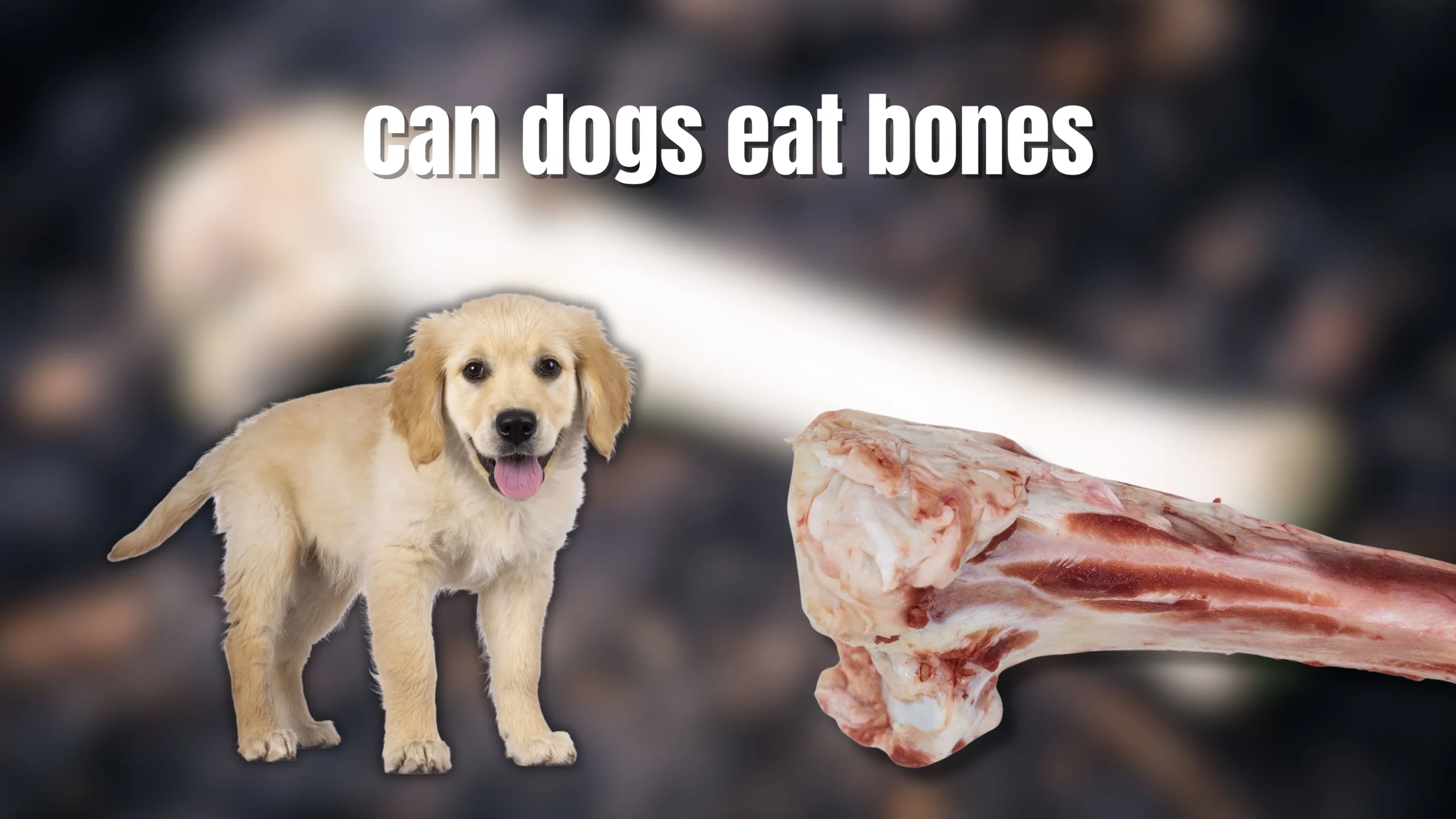
    Can dogs eat bones?

    Can dogs eat bones? The debate around whether or not to feed bones to dogs is filled with conflicting information, leaving many pet owners confused. While bones can provide benefits, such as supplying essential nutrients, helping with dental hygiene, and offering mental stimulation, they also carry significant risks. Chewing on bones may lead to mouth injuries, digestive blockages, or even life-threatening conditions like peritonitis. The risk of choking or broken teeth is also a serious concern, and dogs may develop constipation if bones are not properly digested. Despite the potential benefits, many vets strongly advise against feeding bones to dogs due to the high likelihood of harm. 

    In light of these risks, many experts suggest opting for safer alternatives to bones. The popular saying “give a dog a bone” may be outdated, and instead, pet owners are encouraged to consider safer treats that still provide the mental and physical stimulation that bones offer without the danger. As with any dietary decision, it’s essential to assess whether bones are truly the right choice for your pet, weighing both the pros and cons carefully.

    Aren’t bones good for dogs?

    Feeding bones to dogs is a topic that sparks a lot of debate, with both benefits and risks to consider. Bones can provide essential nutrients such as calcium, protein, and vitamins, contributing to overall health, muscle development, and improved skin and fur. Chewing bones may also support dental health by reducing plaque buildup and promoting saliva flow, which contains antibacterial agents that improve oral hygiene. Additionally, it can help deter undesirable behaviors like excessive licking or scratching.

    However, if your dog is already on a complete and balanced diet, they may not need the extra nutrients from bones. Moreover, while bones offer some dental benefits, there are safer alternatives like dental chews that can clean your dog’s teeth without the potential hazards. Bones can cause choking, digestive blockages, or even more severe health issues. With these risks in mind, it’s crucial to weigh the pros and cons before offering bones to your pet.

    So Can I Give A Dog A Bone?

    The question isn’t just whether dogs can chew bones, but whether they should. While raw bones are generally considered safer than cooked ones, both types carry significant risks. Raw bones are less likely to splinter than cooked ones, but both can still cause serious injuries such as lacerations to the gums and tongue, throat damage, and even broken teeth. Other complications include choking, vomiting, diarrhea, and, in severe cases, intestinal blockages or perforations that could be life-threatening.

    Some veterinarians advocate for raw meat bones due to their nutritional benefits, but they come with their own risks, including exposure to harmful bacteria like salmonella. Additionally, bones that are too hard can fracture your dog’s teeth, leading to expensive dental treatments. Before offering your dog any type of bone, it’s important to consult with your vet to ensure it’s a safe and suitable option for your pet’s health.

    Can dogs eat bones?

    What bones are NOT safe for dogs?

    Feeding certain types of bones to dogs can pose serious health risks, especially cooked bones like chicken or turkey, which are highly prone to splintering. These splinters can cause severe injuries to the mouth, throat, and intestines, leading to choking hazards or even life-threatening blockages. Smaller bones and circular bones, like T-bones, are particularly dangerous as they can become lodged in the throat or lower jaw, causing trauma and requiring immediate medical attention.

    Additionally, bones designed to bear weight, such as cow or pig leg bones, are extremely hard and can break a dog’s teeth. Bone marrow rings, often sold in pet shops, can also pose a risk. Once the nutritious marrow is consumed, the ring may get stuck in the teeth of small dogs or lead to dental damage in larger breeds. Pet owners are advised to avoid leaving bones in easily accessible places, and if their dog accidentally ingests a dangerous bone, they should contact a vet immediately to prevent serious health outcomes.

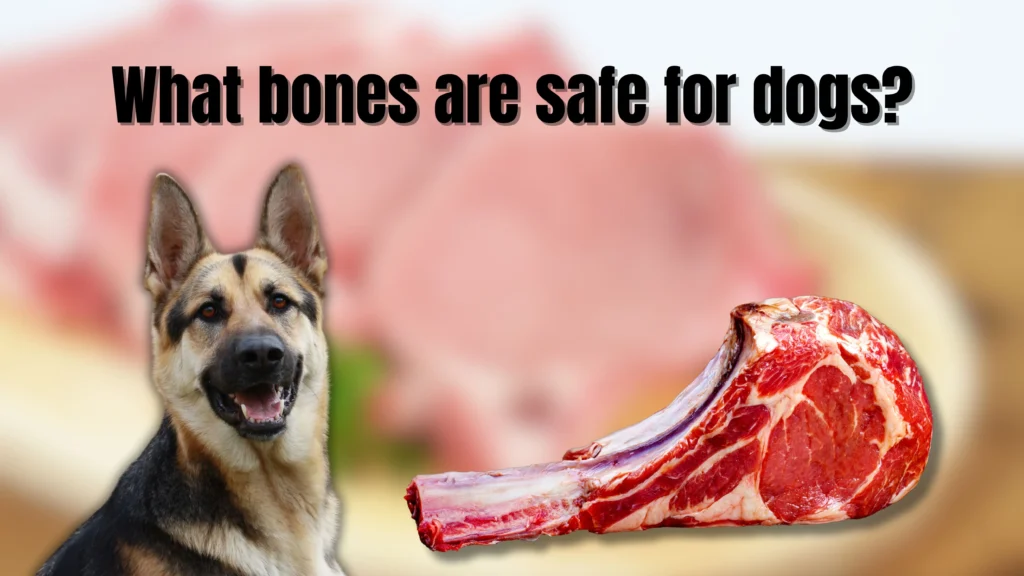
    What bones are safe for dogs?

    Raw bones can be a safer option for dogs, but they still carry risks such as broken teeth, gum injuries, or bone splinters. If you opt for raw bones, make sure they are large enough for your dog to grasp and come from a reputable butcher. The size of the bone should match your dog’s size—small dogs may benefit from chicken necks or wings, while large breeds can chew on lamb ribs or venison necks. Always supervise your dog and discard the bone after a few hours to avoid issues like constipation from excessive chewing.

    For those seeking safer alternatives, synthetic chews or vet-approved treats can offer similar benefits without the hazards associated with bones. Rubber or nylon chew toys are designed to be durable and non-toxic, while specially formulated dental chews can help maintain oral hygiene. Consulting with your veterinarian is essential to choose the best option for your pet’s size, breed, and health needs, ensuring they stay safe while satisfying their urge to chew.

    Can dogs eat bones?

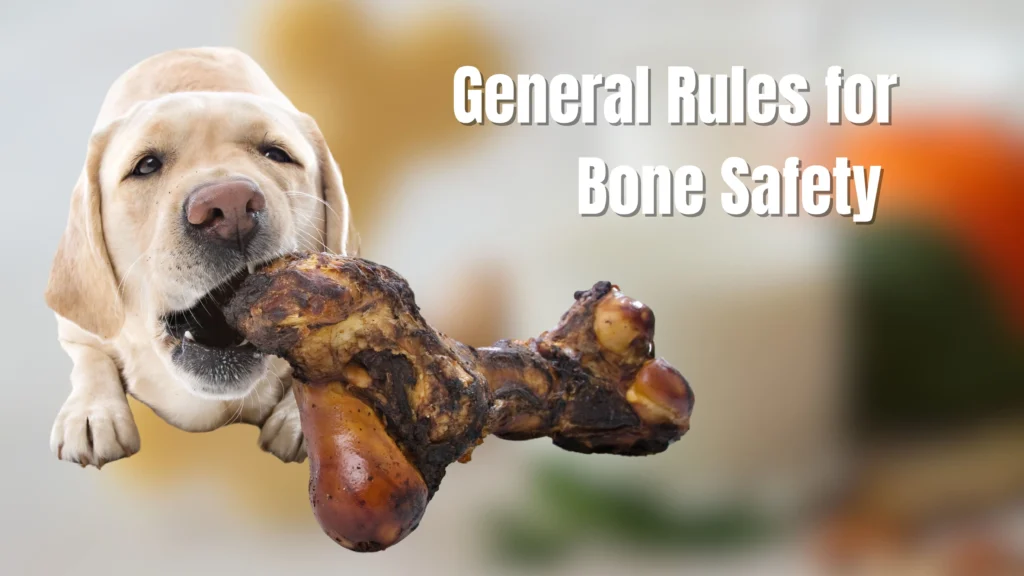
    General Rules for Bone Safety

    When considering giving your dog a bone, it’s essential to follow some general safety guidelines. opt for raw meat bones and make sure to supervise your dog while they chew. Remove the bone after 10-15 minutes and refrigerate it, discarding it after a few days. Larger breeds like German Shepherds or Mastiffs should be given appropriately sized bones to prevent choking hazards. However, it’s critical never to offer cooked bones, as they can splinter easily and cause severe injuries or digestive issues.

    For those looking for safer alternatives, products like split antler chews or yak milk dog chews provide a nutritious and safe option for dogs of all sizes. Additionally, bone broth can be a beneficial food topper that supports your dog’s immune and bone health. Ultimately, while bones can offer dental and mental benefits, the risks of injury or choking are significant. Consulting a veterinarian before introducing bones or bone alternatives is the best way to ensure your dog’s safety and well-being.

  • Can Dogs Eat Shrimp?A Delicious Guide for Pet Owners

    Can Dogs Eat Shrimp?A Delicious Guide for Pet Owners

    As pet owners, we often find ourselves wanting to share our favorite foods with our furry companions, and shrimp can be an exciting treat for dogs! The great news is that yes, dogs can eat shrimp, provided it is prepared properly. These delightful little crustaceans not only make for a tasty snack but can also offer some wonderful health benefits. Can Dogs Eat Shrimp? However, as with any new food, it’s essential to approach this tasty addition with care. Always consult your veterinarian before introducing shrimp into your dog’s diet, especially if your pet has any known allergies or health conditions.

    When considering shrimp for your pup, the key is to serve it in moderation and ensure it’s cooked without harmful ingredients. Whether boiled, steamed, or grilled, shrimp can be a nutritious snack. Remember to avoid fried, spicy, or seasoned shrimp, as these can upset your dog’s stomach. It’s also important to use only wild-caught shrimp and freeze it for at least a week to eliminate any potential parasites. By following these simple guidelines, you can treat your dog to a delightful culinary experience that they’re sure to enjoy!

    Health Benefits of Shrimp for Dogs

    Shrimp is not just a tasty treat; it can also be a nutritious addition to your dog’s diet. Packed with high-quality protein, essential vitamins, and minerals, shrimp can help support your pup’s overall health. These little seafood gems are rich in omega-3 fatty acids, which are fantastic for promoting a healthy coat and skin. Plus, they contain antioxidants that may benefit your dog’s immune system. With a bit of creativity in how you prepare and serve shrimp, you can turn an ordinary meal into an extraordinary delight that both you and your dog can enjoy together!

    In conclusion, sharing shrimp with your furry friend can be a wonderful way to bond and enhance their diet. Just remember to keep safety in mind by consulting your vet, preparing it correctly, and serving it in moderation. Your dog is bound to be thrilled by this delightful treat, making mealtime all the more exciting! Happy feeding!

    Can Dogs Eat Shrimp?

    Can Dogs Eat Raw Shrimp? Let’s Dive Into the Details!

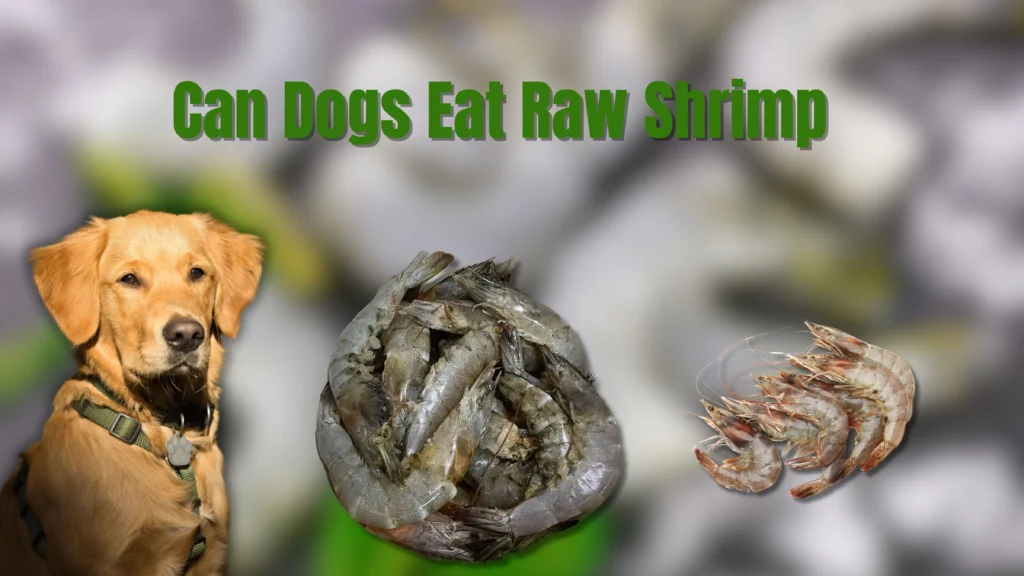
    If you’ve ever wondered whether your dog can enjoy raw shrimp, you’re not alone. The simple answer is: that it’s best to avoid feeding raw shrimp to your furry friend. While raw shrimp may be a tasty treat for humans in dishes like sushi or seafood tartar, it can present health risks for dogs. Raw shrimp can harbor harmful bacteria like salmonella and vibrio, as well as parasites such as tapeworms, which may cause upset stomachs or more severe health issues. For your dog’s safety, cooking shrimp is the way to go!

    Cooking shrimp helps eliminate dangerous pathogens and makes it safe for your dog to enjoy. Boiling or steaming shrimp is the healthiest option, ensuring that it’s free of unhealthy fats or oils often found in fried or breaded shrimp. It’s also a good idea to remove the shells, as they can pose a choking hazard, especially for smaller dogs. This careful preparation allows your pup to indulge in shrimp’s delightful flavor without the risks of raw consumption.

    A Safer, Healthier Alternative

    While some suggest raw shrimp might be okay if it’s wild-caught and frozen to kill parasites, it’s generally safer to stick with cooked shrimp for your dog. Steamed or boiled shrimp provides the same nutritional benefits, such as high-quality protein, omega-3 fatty acids, and joint-supporting glucosamine, without the risk of harmful bacteria. So next time you’re cooking up shrimp, set aside a portion for your dog—fully cooked, of course—and let them enjoy this wonderful, healthy treat!

    By ensuring the shrimp is properly prepared, you can turn a potential hazard into a delicious reward, giving you peace of mind and your dog a tasty, nutrient-rich snack they’ll be thrilled to enjoy.

    Can Dogs Eat Shrimp?

    Shrimp’s Beneficial Nutrients for Dogs: A Tasty and Nutritious Treat!

    Shrimp is not just a delicious snack for humans—they’re packed with incredible nutrients that can be wonderful for your dog’s health too! This seafood delight is low in fat, calories, and carbohydrates, making it an excellent option for dogs that need a lean, protein-rich treat. Shrimp contains high levels of protein, which is essential for building and repairing muscle tissue, especially in active dogs or those recovering from an injury. Plus, it’s rich in vitamin B12, niacin (vitamin B3), and phosphorus, all of which play a crucial role in maintaining your dog’s metabolism, nerve function, and bone health.

    One of the most exciting benefits of shrimp is its omega-3 fatty acids. These healthy fats are known to promote a shiny coat and healthy skin, helping to reduce inflammation and support your dog’s immune system. Whether your pup struggles with dry skin or you simply want to maintain their coat’s natural glow, shrimp can be a delightful addition to their diet. Additionally, shrimp is a fantastic source of antioxidants that help fight free radicals, potentially reducing the risk of chronic conditions and slowing down the effects of aging in your furry companion

    Joint Health and More!

    Not only are shrimp rich in essential vitamins and minerals, but they’re also a source of glucosamine, which is vital for joint health. Glucosamine helps support cartilage growth and can even improve mobility in older dogs or those prone to arthritis. With its blend of taurine for heart health, calcium for strong bones, and omega-3s for inflammation relief, shrimp offers a well-rounded nutritional boost that can make your dog feel amazing!

    When feeding shrimp to your dog, remember that moderation is key. As shrimp are high in cholesterol, it’s best to offer them occasionally as a special treat, ensuring your pup gets all the benefits without overindulgence. So, next time you’re preparing a shrimp dish, don’t hesitate to share a little with your dog—they’ll love the taste, and you’ll love the health benefits!

  • Can Dogs Eat Tuna?

    Can Dogs Eat Tuna?

    Tuna can be a nutritious treat for dogs, but it should be offered sparingly and with caution. Can Dogs Eat Tuna? While rich in omega-3 fatty acids, protein, and essential vitamins like B3, B6, and B12, tuna also carries risks, particularly due to its mercury content. Regular consumption of tuna, especially in large quantities, can lead to mercury poisoning, which may cause long-term health issues. Therefore, while it’s safe in small amounts, it’s crucial not to make tuna a staple in your dog’s diet.

    Many commercial dog foods contain tuna, indicating it is generally safe for dogs when balanced with other ingredients. However, feeding tuna outside of these regulated foods should be limited, as mercury levels can accumulate over time. When choosing tuna for your dog, it’s recommended to opt for tuna packed in water rather than oil or brine, and ensure it has no added salt or harmful additives. For dogs to enjoy the benefits of fish without the risks associated with tuna, shorter-lived fish with lower mercury levels are a safer option.

    When is tuna bad for dogs?

    Tuna can be a healthy treat for dogs, but certain precautions should be taken. Here are the key points to keep in mind:

    • Feed tuna only occasionally and in small amounts to avoid potential health risks.
    • Mercury buildup from consuming too much tuna can cause serious long-term health problems for your dog.
    • Tuna is rich in omega-3 fatty acids and protein, which are great for your dog’s health, but balance is essential.
    • Avoid giving your dog tuna canned in oil or brine instead, choose tuna in water.
    • Never serve tuna with harmful additives like spices, onions, or mayonnaise.
    • For a safer option, choose fresh, short-lived fish with lower mercury levels for regular treats, as they offer similar nutritional benefits without the risks. 

    These guidelines will help ensure your dog enjoys the benefits of tuna without compromising their health.

    Can Dogs Eat Tuna?

    Is Tuna Good for Dogs?

    Tuna is packed with essential nutrients like protein, omega-3 fatty acids, and vitamins that support a dog’s skin, coat, and overall health. While these nutrients are beneficial, dogs on a complete and balanced diet already get the necessary vitamins and minerals from their regular food, so adding extra tuna is not necessary for nutrition. It’s fine as an occasional treat, but it shouldn’t become a regular part of their diet due to the risks associated with mercury, which tuna contains in higher amounts compared to other fish.

    Mercury, a heavy metal found in larger fish like tuna, can build up in a dog’s system over time, leading to mercury poisoning. This can cause serious health issues such as tremors, vision problems, and kidney damage, especially in puppies or smaller breeds. Symptoms like vomiting, hair loss, and loss of coordination could indicate mercury toxicity, so it’s best to limit your dog’s tuna intake.

    If you want to add fish to your dog’s diet, there are safer alternatives like salmon, which have similar nutritional benefits without the risk of mercury exposure. Ultimately, tuna can be enjoyed by dogs in moderation, but feeding it regularly is not recommended. Always consult your vet before introducing new food items, especially those with potential risks.

    Can dogs eat raw tuna?

    Canned tuna can be a healthy, protein-rich treat for dogs when fed in moderation. It’s important to choose tuna packed in water, rather than oil or salted water, to avoid excess fat and sodium. Opt for varieties like albacore or skipjack tuna, as they contain lower mercury levels compared to larger species such as bigeye or bluefin tuna. However, be cautious, as added spices or herbs in some canned tuna products can be harmful to dogs.

    While tuna is rich in omega-3 fatty acids and other beneficial nutrients, it also contains high levels of mercury, particularly in larger, long-living species. Mercury can accumulate in a dog’s system over time, potentially leading to mercury poisoning, which causes severe health issues. To minimize risk, it’s best to limit tuna to occasional treats and consider other safer fish like salmon or tilapia as regular alternatives.

    Always check the label to ensure there are no added salt or harmful ingredients in the canned tuna. Feeding tuna to dogs should be done sparingly, especially for smaller breeds, and not as part of their daily diet to avoid long-term health complications.

    Can Dogs Eat Tuna?

    How to serve tuna to your dog

    When preparing tuna for your dog, it’s essential to cook it properly steaming, grilling, or baking are the safest options. Make sure the tuna is free from salt, seasonings, and bones before serving, as bones can cause digestive issues or physical injury if ingested. Additionally, avoid feeding parts like the fins, tail, and head, which pose choking risks and could cause harm to your dog’s digestive system.

    If you’re not cooking, canned tuna is a convenient option, but make sure it’s packed in water with no added spices or additives. Whether you choose fresh or canned tuna, it’s best to serve it in small portions and limit the frequency to once or twice a week. Tuna should always remain an occasional treat rather than a staple part of your dog’s diet.

  • Can Dogs Eat Yogurt?

    Can Dogs Eat Yogurt?

    Yogurt can be a safe and healthy treat for dogs, but it’s important to choose the right type and serve it in moderation. Can dogs eat yogurt? Unsweetened, plain yogurt, particularly Greek yogurt, offers several health benefits for dogs, including a good source of calcium, protein, and probiotics. These probiotics can aid digestion and support your dog’s immune system. However, many dogs struggle with lactose, so it’s crucial to monitor for any signs of intolerance, such as diarrhea or gas.

    Greek yogurt is often the best option for dogs because it has less lactose than regular yogurt and is packed with essential nutrients. Its thick texture comes from the straining process, which removes much of the whey and lactose, making it easier for many dogs to digest. Veterinarians, like Dr. Meaghan Thomas, recommend Greek yogurt for dogs without dairy allergies, especially as a source of supplemental probiotics.

    While yogurt can offer health benefits, it’s vital to ensure that the product is free of harmful additives like sweeteners or artificial flavors. Always check the label before feeding yogurt to your dog and consult your veterinarian if you’re unsure about how much to serve. In moderation, plain Greek yogurt can be a nutritious addition to your dog’s diet, but it should not replace regular meals or other balanced food sources.

    Types of yogurt

    – Three main types of yogurt: regular yogurt, Greek yogurt, and kefir.

    – **Greek yogurt** is thicker, creamier, and higher in protein and fats, but lower in sugars and carbs.

    – **Regular yogurt** is thinner with more whey, higher in calcium, and lower in calories.

    – **Kefir** is a drinkable yogurt with similar health benefits to Greek and regular yogurt.

    – All three types contain probiotics and calcium, beneficial for digestion and immune support.

    – Dogs can eat **plain, unsweetened yogurt** with live cultures, but **avoid flavored yogurts** with added sugars or artificial sweeteners.

    – **Xylitol**, a common artificial sweetener, is toxic to dogs and must be avoided.

    – Always consult a vet before introducing yogurt into your dog’s diet.

    Can dogs eat yogurt?

    Health benefits of yogurt

    Yogurt can offer numerous health benefits for dogs, primarily due to its probiotics, calcium, and protein content. Probiotics, such as lactobacillus and bifidobacterium, help support a dog’s gut health, aiding in digestion, and weight loss, and boosting the immune system. These beneficial bacteria also fight yeast infections, promoting healthier skin and reducing symptoms like itching and hot spots.

    Calcium in yogurt is essential for strong bones, teeth, and overall heart and nervous system health. Protein further supports muscle growth, tissue repair, and a healthy metabolism, making it a valuable nutrient for dogs. However, it’s important to introduce yogurt slowly and ensure it never exceeds 10% of your dog’s daily intake due to potential lactose sensitivities.

    When selecting yogurt for your dog, avoid those labeled as “sugar-free” or with added sugars, as these can contain harmful ingredients like xylitol or cause issues like weight gain and diabetes. Stick to plain, unsweetened yogurt to ensure the health benefits outweigh any risks. Always consult with a vet before adding new foods to your pet’s diet.

    Can dogs eat yogurt?

    Potential Risks of Yogurt for Dogs

    While yogurt can offer health benefits for dogs, it also comes with potential risks. Many dogs are lactose intolerant, which means they may struggle to digest dairy products, including yogurt. Even though yogurt has less lactose than milk, it can still cause issues like bloating, gas, diarrhea, and vomiting in sensitive dogs.

    Another major concern is xylitol, an artificial sweetener found in some yogurts. This substance is highly toxic to dogs and can be fatal, even in small amounts. Additionally, many flavored yogurts contain added sugars, which can contribute to weight gain and other health problems in dogs. Always opt for plain, unsweetened yogurt to avoid these risks.

    If your dog has shown signs of lactose intolerance or you’re unsure about their tolerance, it’s best to avoid yogurt altogether. In such cases, consider dairy-free alternatives like a “cappuccino,” which can offer a safer treat without digestive upset. Always consult your vet before introducing new foods into your dog’s diet.

    Is yogurt good for dogs?

    Yogurt is rich in probiotics, calcium, and protein, which can support your dog’s digestive health, muscle development, and bone strength. Greek-style yogurt, in particular, offers higher protein content and lower lactose levels compared to regular yogurt, potentially making it easier for some dogs to digest. However, while some anecdotal evidence suggests that yogurt can aid digestion, scientific research on its effectiveness is limited.

    Despite these benefits, yogurt isn’t necessarily the best choice for dogs. For optimal health, choose plain, unsweetened Greek yogurt with live cultures and avoid varieties with added sugars or artificial sweeteners like xylitol, which are harmful to dogs. For more effective probiotic support, consult with a veterinarian about probiotic supplements tailored specifically for dogs.

  • Can Dogs Eat Almonds?

    Can Dogs Eat Almonds?

    Almonds are not safe for dogs, as they can be hard to digest and may cause health issues. Even processed almonds, while less harmful than bitter ones, can still pose risks. Can Dogs Eat Almonds? Always consult a vet before offering any human food to your dog.

    Macadamia nuts and walnuts are toxic to dogs, causing vomiting, tremors, and other serious symptoms. Even dog-safe nuts should be given in small amounts, as treats should make up only a tiny portion of their daily diet.

    To avoid any health problems, it’s best to keep nuts away from dogs. If your dog consumes nuts and shows discomfort, contact a vet immediately.

    Can Dogs Have Almond Butter?

    Almond butter is safe for dogs in moderation if it’s free of harmful additives like salt, sugar, and xylitol. Although it contains vitamins and minerals, some dogs struggle to digest almonds, leading to stomach issues if consumed in large amounts.

    Choose all-natural almond butter made from just almonds and limit portions. Its high-fat content can upset your dog’s digestive system. Nut butters like macadamia or pistachio should be avoided as they are toxic to dogs.

    Always consider your dog’s dietary needs before sharing nut butter. Moderation is key to avoiding health issues.

    Can Dogs Eat Almonds?

    Why Almonds Are Bad for Dogs

    Although almonds aren’t directly toxic to dogs, they can cause significant health issues. Dogs struggle to digest the proteins in nuts, leading to gastrointestinal distress, obesity, and pancreatitis. The risk is further increased by potential aflatoxins from mold on almonds.

    Feeding almonds can result in vomiting, diarrhea, and gas, with the potential for severe conditions like pancreatitis. Whole almonds can also cause obstructions, and their high salt content may lead to dangerous water retention, especially in dogs with heart problems. Despite their human health benefits, almonds are best avoided in a dog’s diet.

    Can Dogs Have Almond Milk?

    Many dogs are lactose intolerant because they lack the enzyme lactase needed to digest dairy. Consequently, traditional cow’s milk can cause digestive problems in dogs and is high in fat and sugar. For a safer option, plant-based milks like almond milk can be considered.

    Almond milk can be a good occasional treat for dogs, offering lower lactose and sugar content compared to cow’s milk. However, it is high in calories and should not be given frequently. It’s essential to ensure almond milk doesn’t contain xylitol, which is harmful to dogs.

    What to Do If Your Dog Eats Almonds

    Almonds are not suitable for dogs due to digestive issues and potential risks. If a dog eats almonds, monitor for choking, intestinal blockage, or gastrointestinal distress. For large quantities, seek veterinary help or induce vomiting within 30 minutes.

    While almonds offer human nutrition, they can harm dogs and should be avoided as treats. If a dog consumes a few almonds without immediate symptoms, observe them at home but opt for healthier treatment alternatives.

    Almond Poisoning in Dogs

    Almonds are not ideal for dogs due to digestive issues and potential health risks. They can cause gastrointestinal problems, obesity, and pancreatitis. Even though almonds are not highly toxic, they can lead to symptoms like vomiting and diarrhea, especially in smaller breeds.

    If your dog eats a few almonds but shows no immediate symptoms, keep a close watch. For larger quantities or if symptoms like severe vomiting or choking occur, contact your vet. Other nuts, such as macadamia nuts and walnuts, are highly toxic, while cashews and hazelnuts pose risks like choking and digestive issues.

    Can Dogs Eat Almonds?

    Recovery of Almond Poisoning in Dogs

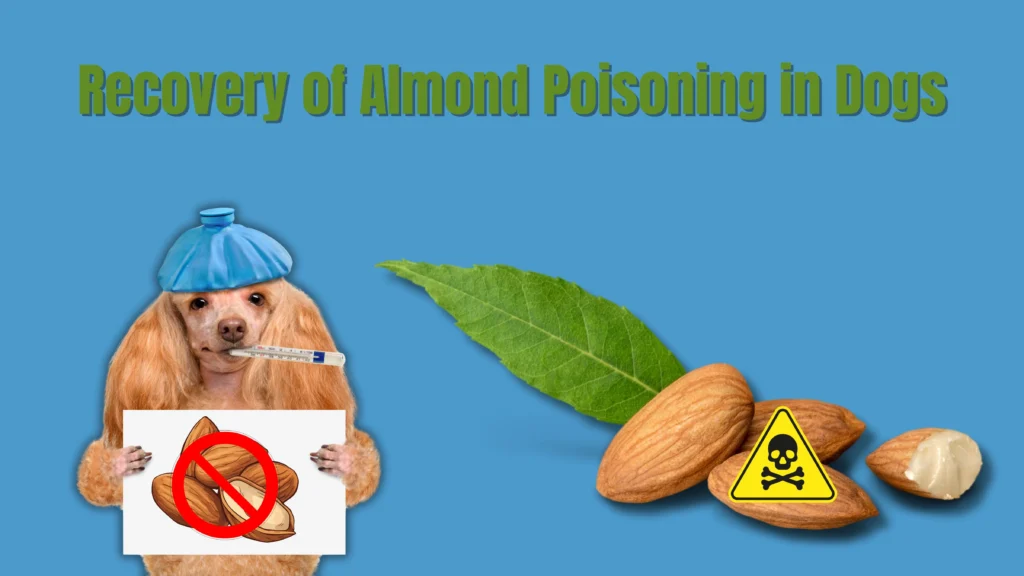
    If a dog consumes almonds, treatment often involves medications like antibiotics and stomach protectants, along with a calm recovery environment. Follow-up appointments may be necessary to monitor liver function, especially for aflatoxin poisoning. Dogs with pancreatitis usually need a low-fat, high-fiber diet and may benefit from pancreatic enzyme supplements.

    Treating almond poisoning can be expensive, so having pet health insurance can help cover costs. While almonds and almond-based products can seem harmless, they pose risks like digestive distress and obstructions. Being informed about these risks helps ensure your dog’s snacks are safe.

    Are Almonds Safe for Dogs?

    Almonds are not toxic to dogs but can cause digestive issues like vomiting and diarrhea. Their high fat content increases the risk of pancreatitis, while whole almonds may lead to choking, especially in smaller dogs. These nuts should be avoided to prevent serious health problems.

    Flavored or salted almonds pose additional risks due to harmful additives like salt, which can cause kidney issues and fluid retention. Phosphorus in almonds may lead to bladder stones, and there’s also a risk of aflatoxin poisoning. The potential dangers make almonds an unsafe treat for dogs.