Category: Proteins

  • Can Dogs Eat Rice?

    Can Dogs Eat Rice?

    Rice is safe for dogs and often used in commercial dog foods. can dogs eat rice It’s easy to digest, low in fiber, and helpful for dogs with upset stomachs, especially after gastrointestinal issues.

    Rice is also a good source of vitamins and energy for dogs. White rice is commonly used, and when prepared properly, it can be a healthy part of a balanced diet.

    Is Rice Good for Dogs?

    Rice is a great energy source for dogs, especially those recovering from digestive issues. It helps bind loose stool and is gentle on a dog’s stomach, much like crackers for humans.

    Brown rice has more nutrients, but white rice is easier to digest and quicker to cook. Both are safe when cooked but monitor for allergic reactions when adding rice to your dog’s diet.

    Can Dogs Eat White Rice?

    White rice is great for soothing upset stomachs and diarrhea in dogs due to its easy digestibility and bland nature. It helps bind stool but should be used cautiously for dogs with diabetes or obesity because of its high glycemic index.

    Brown rice is less suitable for digestive issues but is beneficial for diabetic dogs due to its lower glycemic index and higher nutritional value. It contains essential vitamins and minerals, making it a good choice for overall health. Consult your vet before changing your dog’s diet.
    can dogs eat rice

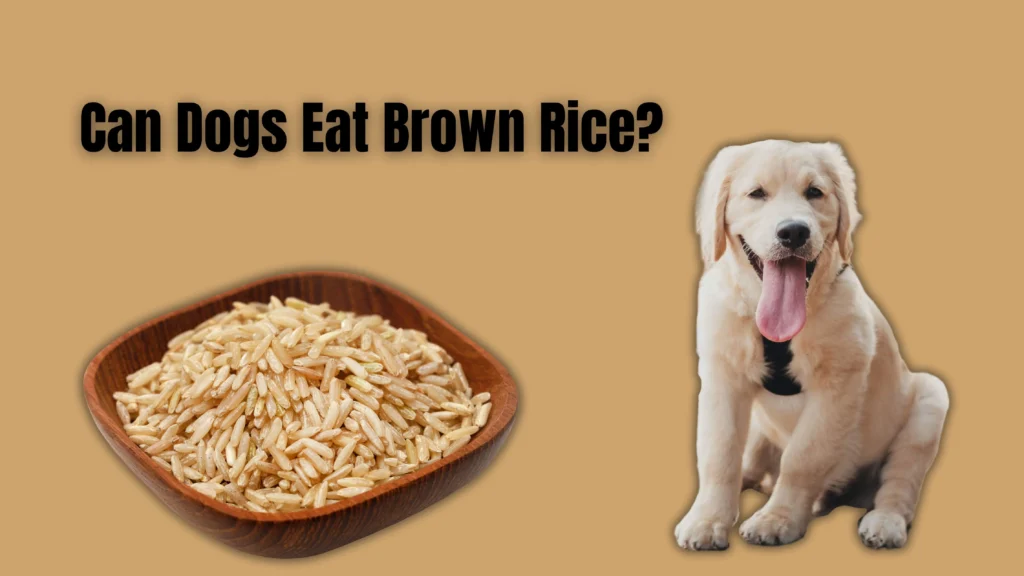
    Can Dogs Eat Brown Rice?

    When choosing rice for your dog, white rice is often preferred for digestive issues due to its lower fiber content and easier digestibility. It is frequently recommended during gastrointestinal distress because it is gentler on the stomach compared to brown rice.

    Brown rice, while more nutritious and rich in essential vitamins and minerals, is higher in fiber and can be tougher for dogs to digest. It can help alleviate constipation and keep dogs fuller longer, but it’s not usually advised for dogs with diarrhea due to its potential to exacerbate digestive problems.

    Can Dogs Eat Jasmine Rice?

    Jasmine and basmati rice, both long-grain white varieties, are safe for dogs to eat in moderation. These fragrant rice offer similar benefits as other white rice and can be a tasty treat for your dog. While jasmine rice is safe, it’s important to feed it in moderation, as excessive amounts can disrupt your dog’s diet.

    Jasmine rice is known for its aroma and taste, but it also provides some nutritional benefits. It’s a suitable addition to your dog’s diet, particularly if you want to vary their meals. Ensure any rice you feed is well-cooked and free from added seasonings or spices.
    Can Dogs Eat Mustard 14 1

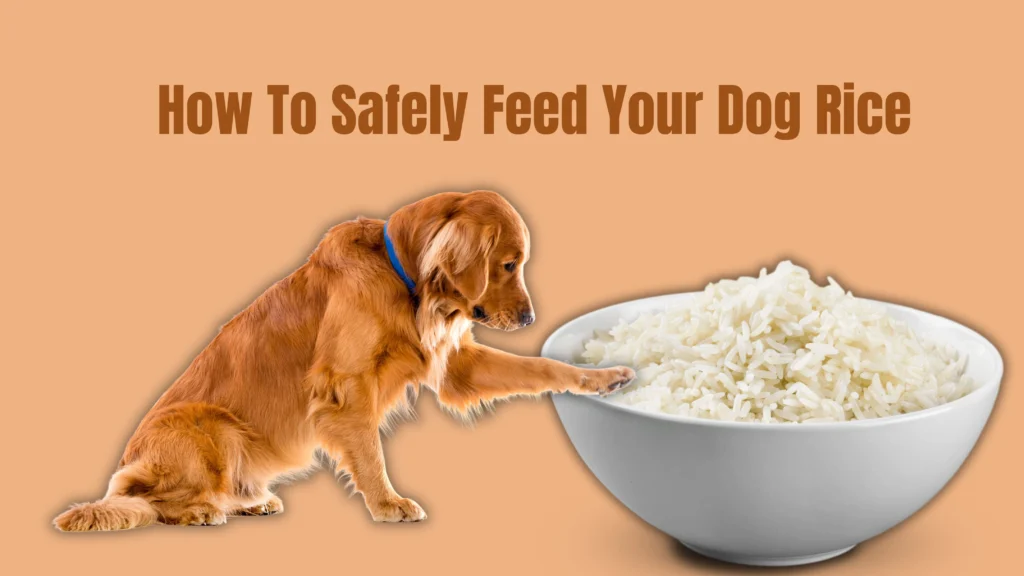
    How To Safely Feed Your Dog Rice

    Properly preparing rice is essential for your dog’s safety and enjoyment. Always cook rice plain, without adding salt, spices, or sauces, which could harm your dog. Mixing cooked rice with a lean protein, such as chicken or turkey, can provide a balanced meal.

    Rice, particularly jasmine rice, can be beneficial for dogs, especially after digestive issues like pancreatitis. It helps bind loose stool and is gentle on the stomach, making it a suitable option for digestive problems. Jasmine rice also offers nutrients like manganese and magnesium, which support overall health.

    When choosing rice for your dog, consider their individual needs. White rice, including jasmine, is easily digestible and good for sensitive stomachs. Brown rice, while more nutritious, is harder to digest and not ideal for dogs with digestive issues. Always consult your vet before making dietary changes to ensure rice is appropriate for your dog’s health and condition.

    Is All Rice the Same?

    Rice, a versatile staple, comes in various types that suit different tastes and nutritional needs. From aromatic to nutrient-dense varieties, it provides an affordable source of energy in many cultures. Its adaptability makes it perfect for a wide range of dishes, from stir-fries to desserts like ice cream.

    September, celebrated as Rice Month, is a great time to explore rice varieties. Understanding the differences in shape, color, and aroma can improve your cooking skills. Each type offers unique benefits, fitting easily into a nutritious, balanced diet. Mastering these details helps you create unforgettable meals with ease.

  • Can Dogs Eat Raw Chicken?

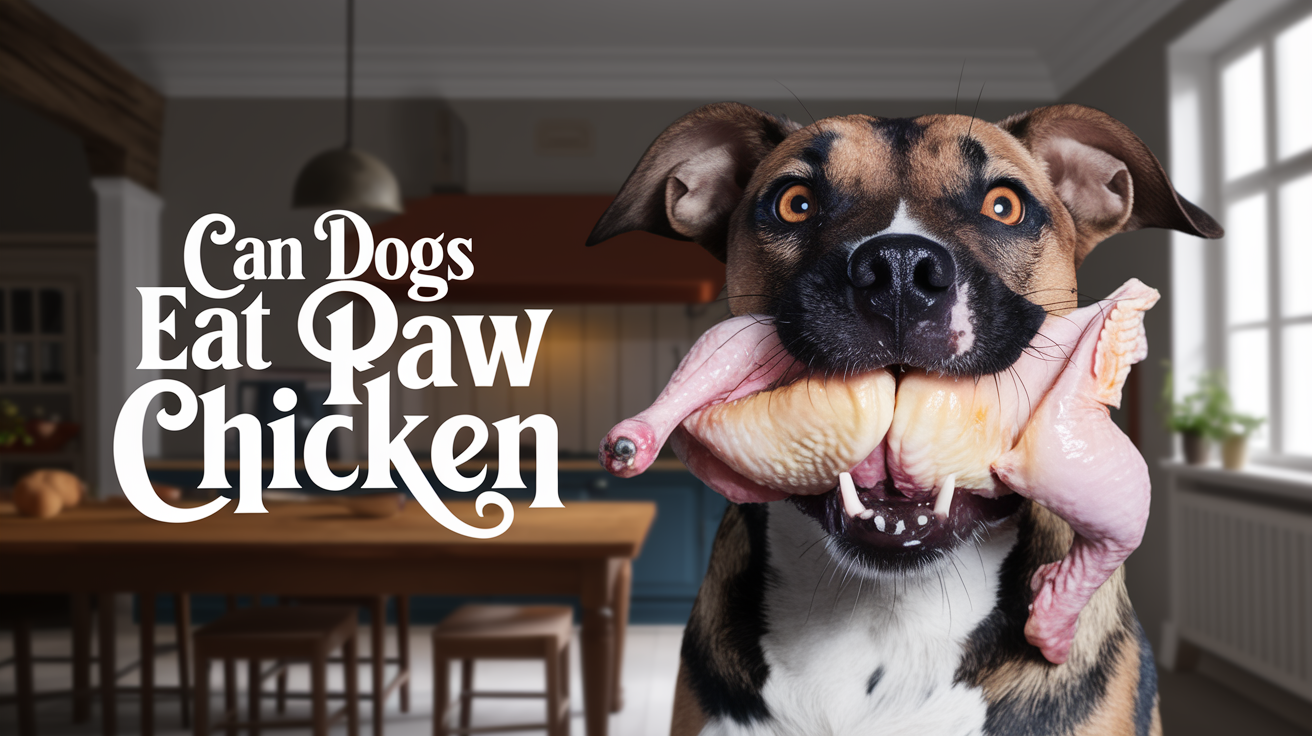
    Can Dogs Eat Raw Chicken?

    Feeding dogs raw chicken offers a natural source of protein and essential nutrients but requires careful handling to avoid bacterial contamination like Salmonella. Can dogs eat raw chicken? Freshness and proper handling are key, so choosing raw food from trusted sources like Nature Menu, which follows strict safety protocols, is advisable. The debate over raw chicken for dogs is complex. While some believe raw meat suits dogs’ evolutionary needs, others highlight risks such as bacterial infection and digestive issues from bones. Consulting a veterinarian is crucial if considering a raw diet to ensure balanced nutrition and safety.

    Is Raw Chicken Safe for Dogs?

    Healthy dogs can process raw meat, including chicken, due to their highly acidic stomachs and short digestive tracts. To ensure safety, We Feed Raw uses high-pressure processing (HPP) to neutralize potential pathogens in their raw chicken patties.

    Despite these measures, feeding raw chicken remains controversial. Many veterinarians warn of risks such as infections, digestive issues, and nutritional imbalances. Consulting a vet and following proper hygiene practices are crucial if considering a raw diet for your dog.

    Is Raw Chicken Good for Dogs?

    Raw chicken can be a valuable part of your dog’s diet when fed in moderation. It provides high-quality protein and important nutrients like niacin and phosphorus. However, it should not be the only protein source to ensure a balanced diet and prevent meal monotony.

    Although raw chicken offers benefits, such as being rich in protein and lacking carbohydrates, it’s essential to include a variety of proteins in your dog’s diet. For a well-rounded diet, consult with a veterinarian or nutrition specialist to avoid risks and ensure nutritional completeness.

    Can dogs eat raw chicken?

    Can Dogs Eat Raw Chicken Breast?

    Raw chicken breast is a healthy, low-fat protein for dogs but should not be the only food in their diet. It is essential to ensure the chicken is fresh and properly prepared to avoid health risks.

    Cross-contamination risks are low but increase with DIY raw food preparation. For safety and convenience, consider ready-made, balanced options like Nature’s Menu. If your dog shows signs of infection such as diarrhea, consult a vet for diagnosis and treatment.

    Can Dogs Eat Raw Chicken Skin?

    Dogs can eat small amounts of raw chicken skin as an occasional treat, but it should not be a regular part of their diet due to its fat content. Though dogs may enjoy it, chicken skin can lead to digestive issues like pancreatitis, which can be dangerous if left untreated.

    Additionally, chicken skin may contain harmful seasonings or spices, adding to the health risks. To avoid potential problems, it’s best to limit or eliminate chicken skin from your dog’s meals and stick to healthier, low-fat alternatives.

    Is Raw Chicken Bad for Dogs?

    Raw chicken can pose infectious risks for both humans and dogs due to harmful bacteria, placing it in the “not good for dogs” category. Although healthy dogs are biologically equipped to handle raw chicken, the potential for dangerous bacterial contamination makes it a risky choice for their diet.

    Questions often arise about whether raw chicken, bones, or even raw eggs are safe for dogs. While some advocate for raw feeding, citing dogs’ ability to digest raw meat, it’s crucial to understand the risks. Proper preparation and caution are key when considering raw food for your dog.

    Can dogs eat raw chicken?

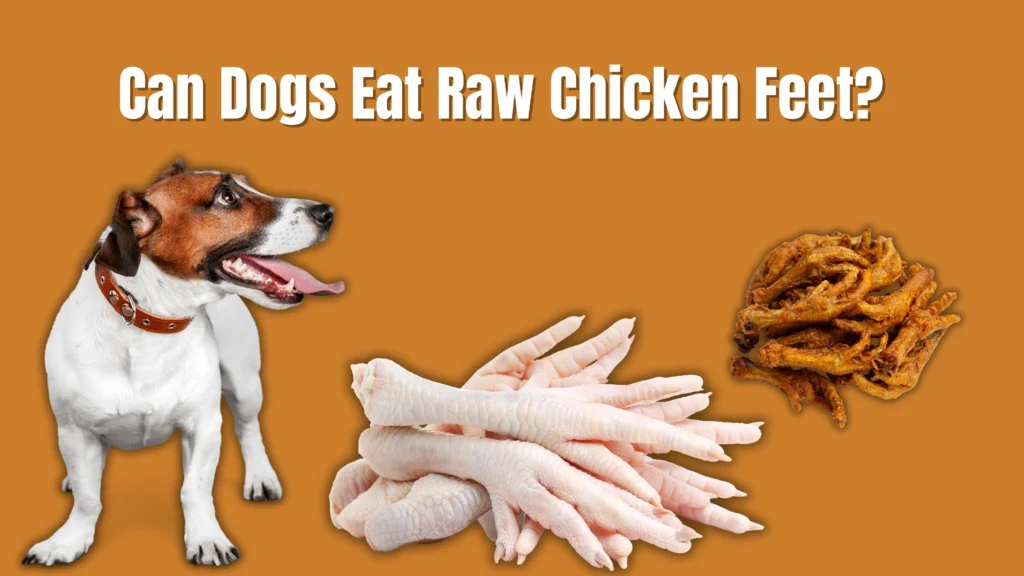
    Can Dogs Eat Raw Chicken Feet?

    Chicken bones, especially cooked ones, can splinter and harm dogs, but chicken feet are different. Made mostly of cartilage, they are easily digested and safe for most dogs. They also offer benefits like joint and dental health.

    Raw or dehydrated chicken feet can be a nutritious treat for dogs. Supervision is advised for puppies or first-time eaters. Properly prepared, they are a healthy and safe option for dogs of all sizes.

    Can Dogs Eat Raw Chicken Necks?

    Research from the University of Melbourne has linked feeding raw chicken to a rare nerve disorder in dogs called (APN), similar to Guillain-Barre Syndrome in humans. This condition can be triggered by the bacteria campylobacter found in undercooked or raw chicken. Symptoms often begin with hind limb weakness and can progress to paralysis, making recovery lengthy and challenging.

    Given this risk, veterinarians recommend avoiding raw chicken, particularly raw chicken necks. Cooked boneless chicken is considered a safer alternative for dogs.

  • CAN DOG EAT SWEET POTATOES?

    CAN DOG EAT SWEET POTATOES?

    Sweet potatoes can be a nutritious and safe treat for dogs when offered in moderation. Packed with essential nutrients like vitamins A, B6, and C, they also provide important minerals such as potassium, iron, and calcium. One of the main benefits is their high fiber content, which supports healthy digestion in dogs, while the presence of beta-carotene helps with vision and overall cell growth. Can dog eat sweet potatoes?

    These starchy root vegetables are a common ingredient in commercial dog food, largely because they are considered a “complex carbohydrate,” offering a steady source of energy. However, it’s important to serve them plain, without additives like butter or sugar, to avoid harming your dog’s health.
    Sweet potatoes are also beneficial for dogs due to their low glycemic index, meaning they are less likely to cause blood sugar spikes, making them a safer option for diabetic or overweight dogs when given in controlled amounts.

    Additionally, they contain antioxidants that can protect against cell damage and boost immune function. Veterinarians like Dr. Gary Richter suggest including fresh whole foods like sweet potatoes in a dog’s diet for overall better health. However, care should be taken to avoid processed forms such as fries or chips, and to consult a vet before making any significant dietary changes.

    Can Dogs Eat Cooked Sweet Potatoes?

    Sweet potatoes, when cooked properly, can be a nutritious and enjoyable treat for your dog. However, it’s crucial to ensure they are prepared without any human-friendly additives like butter, cream, salt, or garlic, as these can be harmful and even lead to serious health issues such as pancreatitis.

    Cooking sweet potatoes is the best way to make them easier for dogs to digest and maximize their nutritional benefits, but they should always be given in moderation to avoid any digestive upset prepare sweet potatoes for your dog, start by thoroughly washing them to remove any dirt or pesticides, then peel the skin off and cut them into bite-sized pieces suitable for your dog’s size. You can steam, boil, or bake them until soft, allowing them to cool before serving. It’s important to keep the preparation simple, avoiding any oils, seasonings, or spices to keep your dog safe while they enjoy their tasty treat.

    CAN DOGS EAT RAW SWEET POTATOES?

    While cooked and unseasoned sweet potatoes are a safe and healthy treat for dogs when given in moderation, raw sweet potatoes should be avoided entirely. Uncooked sweet potatoes are not only tough for dogs to chew but can also pose a choking hazard. Their dense, hard texture makes them difficult to digest, potentially leading to an upset stomach or more serious gastrointestinal issues.
    Feeding raw sweet potatoes to dogs can result in complications such as intestinal blockages, especially for dogs that tend to eat quickly.

    Symptoms of such blockages include vomiting, loss of appetite, bloating, abdominal pain, and lethargy. If your dog accidentally consumes raw sweet potatoes and shows any of these signs, it’s important to seek veterinary care immediately to prevent further complications. Always cook sweet potatoes to ensure they are safe and easily digestible for your pet.

    CAN DOG EAT SWEET POTATOES?

    HEALTH BENEFITS OF SWEET POTATOES

    Sweet potatoes offer a wealth of health benefits for dogs, making them a valuable addition to their diet when fed in moderation. Rich in dietary fiber, they promote digestive health by alleviating issues like constipation and diarrhea while also helping dogs feel fuller for longer, which is useful for managing weight. Sweet potatoes are also low in fat and packed with essential vitamins and minerals like Vitamin A, B6, C, potassium, calcium, and manganese, all of which contribute to overall wellness, including healthy skin, coat, muscles, and nerves.

    Antioxidants found in sweet potatoes, such as beta-carotene and Vitamin C, play a key role in boosting the immune system, reducing inflammation, and protecting cells from damage caused by free radicals. These nutrients are particularly beneficial for eye health, as Vitamin A supports good vision, and the anti-inflammatory properties can help alleviate joint pain in dogs with arthritis.

    However, it’s important to note that while sweet potatoes are a nutritious carbohydrate source, they are high in sugar and should be fed in moderation, especially for dogs with diabetes or weight issues.
    Incorporating sweet potatoes into a balanced diet can promote stronger bones, thanks to the calcium content, and support heart and nerve function due to the high levels of potassium. Though sweet potatoes are a great source of healthy carbohydrates and fiber, which aid digestion and provide energy, they should not be a dog’s main source of nutrition. It’s important to ensure that dogs receive a balanced diet with sufficient animal protein, with sweet potatoes serving as an occasional treat or a supplement to their regular meals.

    CAN DOG EAT SWEET POTATOES?

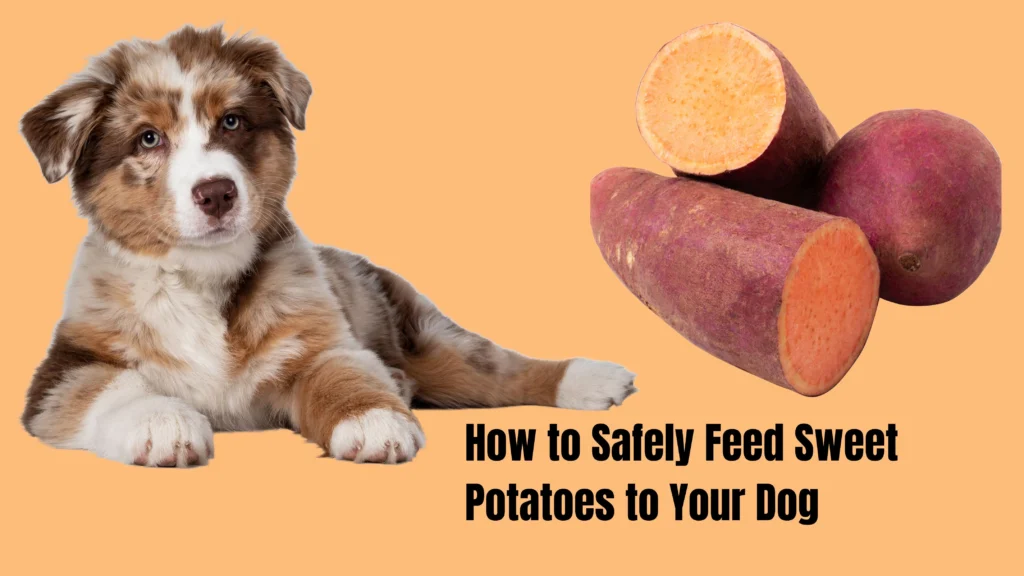
    How to Safely Feed Sweet Potatoes to Your Dog

    Sweet potatoes can be a nutritious addition to your dog’s diet, but they must be cooked, peeled, and served plain. Avoid seasoning or adding ingredients like butter or salt that may be harmful to dogs. A little sweet potato purée can add flavor and fiber to your dog’s regular food or be used as a treat in puzzle toys. However, moderation is key, as treats should only make up 10% of a dog’s daily caloric intake, while the rest should come from a balanced diet.

    When introducing sweet potatoes to your dog, start with small portions and consult your veterinarian to ensure it aligns with your dog’s dietary needs. Cooking sweet potatoes properly removes harmful compounds and makes them easier for dogs to digest. Always avoid adding seasonings, oils, or other harmful ingredients, and monitor your dog for any adverse reactions after introducing sweet potatoes. Overfeeding can lead to issues such as weight gain, so it’s important to follow the “10% rule” and only offer small, appropriate portions based on your dog’s size.

    If your dog enjoys sweet potatoes and handles them well, you can gradually increase the serving size, but always ensure that sweet potatoes remain a small part of their overall diet. You can serve them boiled, baked, or steamed, cut into bite-sized pieces or mashed, and mixed into your dog’s regular meals. Remember to consult your vet for guidance on the appropriate amount for your dog, ensuring that these nutritious vegetables are given safely and in moderation.

  • Can Dogs Eat Chia Seeds?

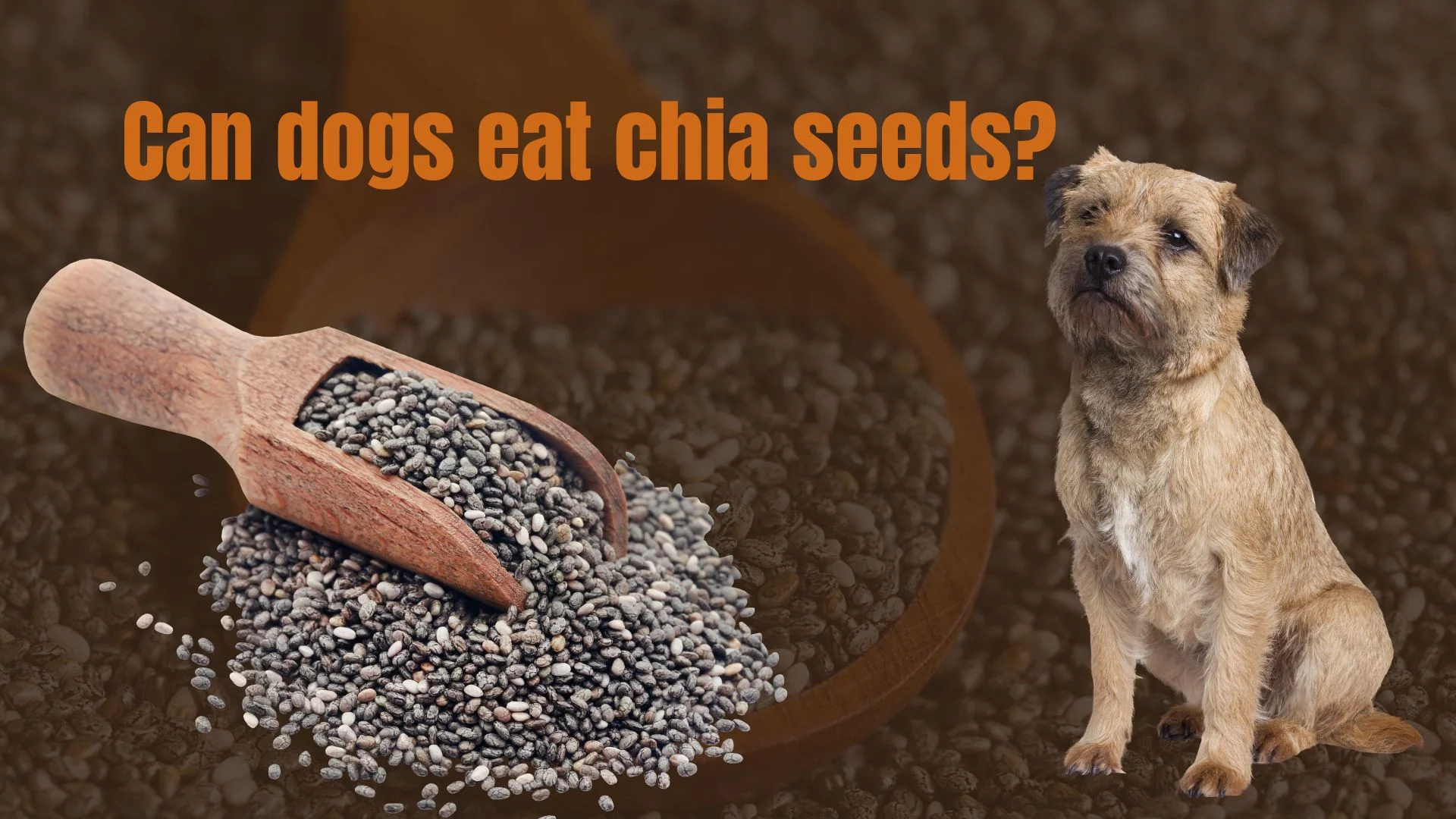
    Can Dogs Eat Chia Seeds?

    Chia seeds, a popular superfood for humans, also offer numerous health benefits for dogs. Packed with essential nutrients such as calcium, copper, fiber, iron, omega-3 fatty acids, phosphorus, and potassium, chia seeds can support various aspects of your dog’s health. Can dogs eat chia seeds? The omega-3 fatty acids, in particular, contribute to improved brain function, joint health, and overall energy levels. However, it’s important to serve them in moderation.

    Just 2 tablespoons of chia seeds are sufficient to provide your dog with their nutritional benefits, as excessive amounts can lead to digestive issues due to their high fiber content.
    Incorporating chia seeds into your dog’s diet can be a nutritious addition, similar to other beneficial seeds like flax seeds, pumpkin, and sunflower seeds.

    While chia seeds are an excellent option, overfeeding can result in gastrointestinal problems. Thus, it’s crucial to balance their intake to prevent any adverse effects. For a treat that’s both healthy and appealing, consider trying a chia pudding recipe designed specifically for dogs—your furry friend might just love it as much as you do.

    WHAT ARE CHIA SEEDS ?

    Chia seeds are small but powerful seeds harvested from the Salvia hispanica plant, which belongs to the mint family and is native to Mexico and Central America. Historically revered by ancient Mayans and Aztecs, chia seeds were a staple in their diet and even used in religious rituals and as currency. Today, these seeds are celebrated for their impressive nutritional profile, which includes omega-3 fatty acids, fiber, protein, and various minerals such as calcium and zinc. Their ability to absorb up to ten times their weight in liquid makes them a versatile ingredient for both human and canine diets.

    Modern interest in chia seeds has surged due to their numerous health benefits. Known as a “superfood,” they offer substantial support for maintaining energy levels, regulating blood sugar, and reducing inflammation. Their high soluble fiber content helps with appetite control and digestion, making them a valuable addition to any diet. Not only are chia seeds popular among people, but they are also gaining recognition for their potential benefits for dogs. Incorporating chia seeds into your dog’s diet can support overall health, including a healthy coat, improved immune function, and enhanced stamina.

    Can dogs eat chia seeds?

    Benefits of chia seeds for dogs

    Chia seeds are a nutritional powerhouse for dogs, offering a variety of benefits due to their rich content of fiber, omega-3 fatty acids, and antioxidants. The soluble fiber in chia seeds absorbs water, forming a gel-like substance that helps dogs feel full longer, which can be useful for managing their weight and stabilizing blood sugar levels. This fiber also supports healthy digestion by reducing constipation and can even help control diarrhea when fed dry. Additionally, chia seeds are a valuable source of omega-3 fatty acids, which play a crucial role in reducing inflammation, maintaining healthy skin and joints, and supporting overall brain function. 

    These tiny seeds are packed with essential vitamins and minerals, including calcium, iron, and potassium, making them a beneficial addition to your dog’s diet. Chia seeds also provide a significant amount of antioxidants, such as quercetin and kaempferol, which help combat oxidative stress and support the immune system. Although chia seeds should not be the sole source of omega-3 fatty acids, they complement other dietary sources well. Their nutrient density makes them an excellent supplement to boost energy levels and overall health in dogs.

    Can dogs eat chia seeds?

    How To Feed My Dog Chia Seeds

    Incorporating chia seeds into your dog’s diet is both simple and versatile, thanks to their tiny size and neutral flavor. One of the easiest methods is to sprinkle the seeds directly onto your dog’s food. For added variety, you can soak the seeds in water before mixing them in, which helps them blend seamlessly with your pet’s meal. Alternatively, you can prepare homemade chia seed treats for your dog, although this requires some baking.

    For a fun and nutritious twist, try making chia seed pudding tailored for dogs. Combine organic chia seeds with filtered water or oat milk, and let the mixture sit overnight in the refrigerator. When ready, add toppings like sliced bananas or berries for extra flavor. This not only provides your dog with a tasty treat but also ensures they receive the health benefits of chia seeds. Additionally, chia seeds can be found in various commercial dog treats and supplements, making it easy to integrate this superfood into your dog’s diet in multiple ways.

  • Can Dogs Eat Sausage?

    Can Dogs Eat Sausage?

    A sizzling sausage patty might be a Saturday morning staple for humans, but it’s not a suitable treat for dogs. While it might be tempting to share your breakfast with your canine friend, sausages are generally not recommended for dogs due to their high salt and fat content.

    Consuming sausages can lead to various health issues for dogs, including stomach aches, obesity, diabetes, kidney damage, and pancreatitis. Can Dogs Eat Sausage? The sausage grease and spicy seasonings are particularly harmful and can contribute to these health problems if consumed in large amounts. Certain types of sausage are more problematic than others.

    Pork sausage, for example, is high in fat and salt, making it an unsuitable protein source for dogs. Moreover, processed sausages may contain seasonings that are unsafe for canine consumption. Additionally, undercooked or contaminated sausages pose a risk of Trichinosis, a parasitic infection.

    Sausages containing onion or garlic powder are especially dangerous, as these ingredients can cause anemia in dogs. Therefore while a small amount of unseasoned, thoroughly cooked sausage might be okay in moderation, it’s best to avoid giving your dog sausage altogether to prevent potential health risks

    Is Sausage Bad for Dogs?

    Sausages, in all their varieties including breakfast links, patties, and crumbles, are not suitable treats for dogs due to their harmful ingredients. The high fat and sodium content found in sausages can lead to serious health issues in dogs, such as pancreatitis, obesity, and diabetes. Additionally, the spices and seasonings used in sausages, such as garlic and onion, are toxic to dogs and can cause severe health problems, including anemia. Processed meats like sausages, which also contain potentially harmful additives like nutmeg, should be strictly avoided in your dog’s diet.

    Unlike safer protein sources such as plain chicken, turkey, or beef, sausages offer little nutritional benefit to dogs and can contribute to their daily calorie and fat intake in unhealthy ways. For instance, a single sausage can account for a significant portion of a dog’s daily calorie needs, making it easy for them to exceed their recommended intake.

    Furthermore, the processed nature of sausages includes ingredients that may pose cancer risks, underscoring the importance of keeping these foods out of your dog’s diet. Opting for healthier, unprocessed protein sources will better support your dog’s well-being and overall health.

    Can Dogs Eat Sausage

    Are sausages good for dogs?

    Sausages do not provide health benefits for dogs and should not be a regular part of their diet. These processed meats are high in fat and salt, and often include harmful ingredients like onion. While a small, occasional piece of plain, cooked sausage may not immediately harm your dog, it is not a healthy or advisable treat due to the risks associated with its high-fat content and potential for containing dangerous bacteria or parasites.

    Meat in general is beneficial for dogs, as it provides essential protein and nutrients. However, sausages are an exception due to their processed nature and inclusion of spices and additives that are unsafe for dogs. Additionally, processed meats like sausages are known carcinogens, meaning they can increase the risk of cancer in dogs. Given these health concerns, it’s best to avoid giving sausages to your dog and opt for healthier protein sources instead.

    Can Dogs Eat Sausage


    How to Safely Feed Sausage to Dogs 

    If you choose to give your dog a small amount of sausage as a treat, it’s important to do so safely. Pot for plain, unseasoned sausages, as many seasonings like garlic and onion are harmful to dogs. Baking the sausage is preferable over frying to reduce excess fat, and be sure to cook it thoroughly to avoid bacteria such as salmonella or E. coli. Cut the sausage into small pieces to prevent choking hazards and observe your dog’s reaction to the new food to ensure it doesn’t cause any adverse effects.

    Although sausages are not the best choice for dogs, there are healthier alternatives. Lean meats such as plain chicken or turkey, and cooked vegetables like carrots and green beans, provide nutritious options. Commercial dog treats specifically formulated for canine health are another good choice. Remember to keep all treats within 10% of your dog’s daily caloric intake to maintain a balanced diet. Avoid giving large amounts of sausage or other processed meats to prevent health issues such as pancreatitis and cancer.

  • Can A Dog Eat White Rice?

    Can A Dog Eat White Rice?

    White rice is commonly recommended for dogs experiencing digestive issues, such as diarrhea, due to its blandness and ease of digestion. Can a dog eat white rice? Its starch content helps bind loose stool, while the fiber and easily digestible carbohydrates can aid in stabilizing your dog’s gastrointestinal system.

    However, it should be fed in moderation, as white rice has a high glycemic index and may raise blood sugar levels, which can be a concern for dogs with diabetes or weight issues. Always consult a veterinarian before incorporating rice into your dog’s regular diet.

    While rice is a common ingredient in many commercial dog foods, not all dogs tolerate it equally. Some may have allergies or sensitivities to rice, while others may simply prefer different grains. When preparing rice for your dog, it’s crucial to serve it plain, without spices or salt, as these can be harmful.

    Rice can be a beneficial addition to your dog’s diet, but it should complement their balanced meals and be introduced with care, especially for dogs with specific health conditions. Always seek professional advice to ensure your dog receives the proper nutrition.

    Is Rice Suitable For Dogs?

    Rice can be a nutritious and safe addition to your dog’s diet, provided it is adequately prepared and given in moderation. While brown rice is more nutrient-dense due to its higher vitamin and fiber content, veterinarians often recommend white rice for dogs experiencing digestive issues such as diarrhea. Its quick cooking time and easy digestibility make it a go-to remedy for calming upset stomachs. However, due to its higher glycemic index, white rice can raise blood sugar levels, so it should be given sparingly to diabetic dogs.

    Both brown and white rice are non-toxic and packed with essential vitamins and minerals, including magnesium, iron, and B vitamins. Though complete dog foods typically provide all the necessary nutrients, adding a small portion of rice to your pet’s meals can offer digestive relief without impacting their overall nutrition. Whether using rice to soothe gastrointestinal problems or simply as an occasional treat, it’s essential to monitor your dog for any adverse reactions like itching or hair loss. Always consult your vet if introducing rice into your dog’s diet for the first time.

    Can a dog eat white rice?

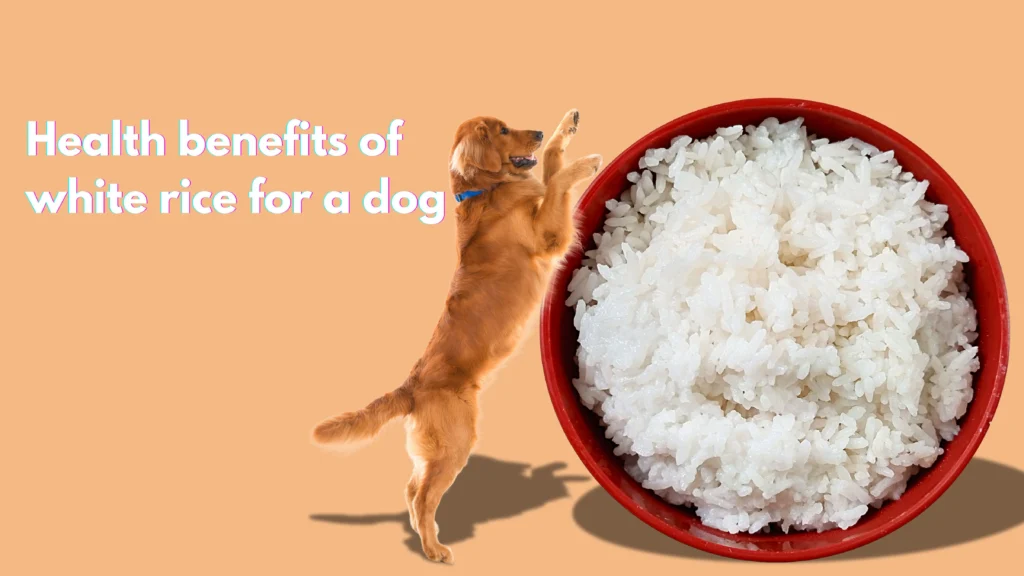
    Health Benefits Of White Rice

    White rice is often the go-to option for dogs dealing with gastrointestinal issues due to its easy digestion and quick preparation. While it’s lower in protein, fat, and fiber than brown rice, white rice is higher in calcium and iron and contains folate when enriched. It is especially helpful in binding loose stool during bouts of diarrhea while also providing enough fiber to relieve mild constipation. Though brown rice has more vitamins, minerals, and fiber, white rice is better suited for dogs with minor intestinal issues because it’s easier to digest.

    For dogs needing energy-rich foods, rice can be a great source of carbohydrates. While brown and white rice come from the same plant, white rice is processed by removing the germ and husk, making it less nutritious but ideal for easing digestion. It’s low in fat and sodium and can support good bacteria in the intestines. However, adding rice to a dog’s balanced diet should be done carefully, and consultation with a vet or veterinary nutritionist is recommended for homemade diets to ensure all nutritional needs are met.

    How Much Rice Can My Dog Eat?

    Rice can be beneficial to your dog’s diet, but it should be given in moderation. As a carbohydrate-dense food, rice can contribute to weight gain if consumed excessively, especially when paired with commercial dog food, which often already contains rice. Carbohydrates are essential for providing energy, but dogs also require a balanced diet rich in protein, vitamins, minerals, and healthy fats. To avoid health risks like obesity or digestive issues, it’s essential to follow the 10% rule—rice and other treats should only make up 10% of your dog’s daily caloric intake.

    While rice can help with digestive issues like diarrhea, it shouldn’t be a daily staple in your dog’s diet. Too much rice can lead to constipation or stress on their digestive system. For large dogs, around ⅓ cup of rice two to three times a week is sufficient, while smaller dogs need even less. Introduce rice gradually and monitor your dog for any signs of digestive discomfort. Ultimately, rice should be considered an occasional treat, not a regular meal, to keep your pet healthy and prevent long-term issues such as weight gain or diabetes.

    Can a dog eat white rice?

    How to Prepare Rice for Your Dog?

    When choosing rice for your dog, opt for a high-quality, organic variety. Begin by rinsing the rice thoroughly to remove excess starch. Soak the rice in hot tap water for 8-10 hours, using a ratio of 6 cups of water for every cup of rice. Throughout the soaking process, drain and rinse the rice multiple times.

    After soaking, cook the rice by bis also higher in calcium, iron, and folate but has a high glycemic index, which can raise blood sugar levels, particularly for dogs prone to diabetes. While brown rice offers more vitamins and minerals, white rice is usually preferred for its gentler impact on sensitive stomachs.

    Although rice is a safe and nutritious option for many dogs, it’s essential to be mindful of potential risks. Excessive rice in a dog’s diet can lead to high blood glucose levels and, over time, arsenic buildup, mainly if rice is a regular component of their meals.

    Some dogs may also show allergic reactions or sensitivities to rice, resulting in symptoms like itching, hair loss, or GI issues. Introducing rice in moderation is crucial, ensuring it’s plain and free from added spices or sauces. For dogs with specific dietary needs or allergies, it’s always best to consult a veterinarian before introducing rice or any new food.

    Ways to Serve Your Dog Rice:

    For dogs experiencing gastrointestinal issues, veterinarians often recommend a bland diet of white rice and boiled chicken, as both are easy on the digestive system. White rice, in particular, is favored for its digestibility and ability to help soothe and balance an upset stomach, allowing dogs to return to their regular diet eventually. Preparing the rice without any seasonings or fats is crucial, as it can irritate your dog’s stomach. Cooking should involve rinsing the rice to remove excess starch and then boiling it in plain water or a low-sodium broth.

    While plain rice is a safe choice, other variations, like fried rice, are unsuitable for dogs due to harmful ingredients such as soy sauce, fats, onions, and garlic. Beans can be a healthy addition to a dog’s diet when combined with rice, providing valuable nutrients like vitamins, protein, and fiber. However, beans should be well-cooked and seasonings-free to avoid gastrointestinal discomfort. Healthy dogs might also enjoy a mix of rice, dog-safe vegetables, and meats, creating a nutritious and tasty meal option.

  • Why Do Dogs Eat Cat Poop?

    Why Do Dogs Eat Cat Poop?

    Dogs eating cat poop, a behavior known as coprophagy, is surprisingly common and stems from their instinctive attraction to strong odors. why do dogs eat cat poop? While it might disturb us, dogs are naturally drawn to the potent smell of cat feces, which can also be an extension of their curiosity or scavenging behavior. However, this habit poses health risks; while feces might not be directly harmful, cat litter can cause significant issues.

    Clumping litter, for instance, can expand in a dog’s stomach, potentially leading to severe digestive problems. why do dogs eat cat poop? To prevent this behavior, keeping the cat litter box out of your dog’s reach is crucial, using barriers like baby gates or placing the box in inaccessible areas. Ensuring your dog’s environment is managed properly can help avoid these unpleasant and potentially hazardous encounters.

    Is It Normal for Dogs to Eat Cat Poop?

    Dogs eating cat poop, though gross to us, is a behavior rooted in their natural scavenging instincts. To a dog, cat feces can smell appealing, similar to the strong scent of cat food, which many dogs find irresistible. This habit, known as coprophagia, can sometimes indicate a dietary deficiency but is often just a result of curiosity or exploration.

    In puppies, it can be part of normal development, as it helps them acquire essential bacteria for digestion. While eating cat poop is generally not harmful, it can pose risks if the cat has worms or is on medication. To prevent this behavior, it’s best to keep the litter box in an area your dog cannot access. Monitoring your dog’s health and behavior after such incidents can ensure they remain safe.

    why do dogs eat cat poop?

    Is Cat Poop Bad for Dogs?

    Dogs eating cat poop might seem gross to us, but it’s more common than many realize. This behavior stems from a dog’s natural scavenging instincts, and the enticing smell of cat poop, which often resembles cat food to them. While some dogs may eat cat poop and remain fine, there are risks associated with this habit. It can expose dogs to harmful bacteria, parasites, or even medication that a cat may be taking, all of which could lead to health issues. Additionally, ingesting cat litter alongside the feces can cause digestive problems, including intestinal blockages. To keep your dog safe, it’s best to prevent access to the litter box and consult a vet if any health concerns arise.

    How to Prevent Your Dog From Eating Cat Poop?

    Dogs eating cat poop is a common but concerning behavior that many pet owners face. While it may seem harmless at first, there are risks associated with it, such as the potential transmission of parasites and bacteria like Salmonella or E. coli. One of the easiest ways to prevent this is by keeping the litter box out of your dog’s reach, either by using gates or covered litter boxes. If the issue is neighborhood cats leaving waste in your yard, repelling the cats or regularly checking your dog’s health with a veterinarian is essential.

    It’s also important to consider that any medications the cat is taking could be present in its feces and harmful to your dog if consumed. Beyond health risks, there’s the concern that bacteria from cat poop can spread to humans through a dog’s saliva. To avoid these problems, pet owners should manage their dog’s access to cat litter and monitor their behavior closely.

    why do dogs eat cat poop?

    Prevention Strategies for Dog Owners

    Preventing your dog from eating cat poop is important for their overall health. One of the simplest ways to do this is by placing the cat’s litter box in an area that your dog can’t access, such as behind a dog gate or in a room with limited access. If this isn’t possible, consider using a covered or top-entry litter box to make it harder for the dog to reach.

    In cases where neighborhood cats are leaving droppings in your yard, regular vet visits for your dog can help ensure they haven’t contracted parasites. Keeping the litter box clean can reduce the temptation for your dog, and maintaining a well-balanced diet for them can also reduce their need to scavenge. Training commands like “leave it” and providing mental stimulation through games and toys can further help curb this behavior. Ultimately, taking preventive measures ensures your dog’s health and minimizes the risks associated with coprophagia.

  • Can Dogs Eat Imitation Crab?

    Can Dogs Eat Imitation Crab?

    When deciding can dogs eat imitation crab, it’s essential to approach this choice carefully. Crab is a flavorful seafood rich in protein, vitamins, and minerals, making it a popular choice for many. But while crab might seem like a tasty treat, not all dogs may respond well to it. Some dogs could experience allergies or digestive issues, so it’s important to consider these potential risks before adding imitation crab to your dog’s diet.

    If you decide to give your dog a taste of crab, ensure it’s prepared properly. Cooked crab meat, free from seasonings, shells, and additives, is the safest option. Always consult your veterinarian beforehand to make sure it aligns with your dog’s dietary needs. Moderation is key; a small piece can be a delightful reward, but too much crab can lead to gastrointestinal upset. Ultimately, while crab can be enjoyed by some dogs, it should be approached with careful consideration and professional guidance.

    Is Crabmeat Healthy for Dogs?

    Nutritional Benefits

    Crabmeat provides protein, vitamin B12, omega-3 fatty acids, and amino acids, supporting brain function and skin health. However, these nutrients are already included in a balanced diet, so crab’s benefits are minimal.

    Health Risks

    Crabmeat is high in sodium and cholesterol, making it unsuitable for regular feeding. Frequent consumption can lead to health issues.

    Raw Crab Dangers

    Raw crab poses risks such as intestinal parasites and sharp shells, which can cause injuries or blockages. It should be avoided.

    Feeding Advice

    Crabmeat can be a safe, occasional treat if served cooked and in small amounts. Always consult your veterinarian before introducing new foods to your dog’s diet.

    Can Dogs Eat Imitation Crab?

    Risks of Imitation Crab

    Imitation crabmeat, made from white fish and artificial additives, poses different risks compared to real crab. Its synthetic ingredients can be harmful to dogs.

    Health Concerns

    The processed nature of imitation crab includes unhealthy additives and preservatives, which are not suitable for your dog’s diet.

    Dietary Best Practices

    To maintain your dog’s health, avoid imitation crab and limit real crab meat. Opt for natural, whole foods instead.

    Can dogs eat crab meat?

    How to Feed Crab to Your Dog

    Preparation and Serving

    To ensure safety, always cook crabmeat thoroughly before feeding it to your dog. Boiling or baking is essential to kill any harmful parasites. Serve the crabmeat plain, without added seasonings or butter, and remove all shells to avoid choking hazards.

    Moderation and Health

    Crabmeat is high in sodium and cholesterol, so it should be given in small amounts. Overfeeding can lead to health issues such as obesity or gastrointestinal problems, particularly in dogs with pre-existing conditions.

    Monitoring and Consultation

    Introduce crabmeat slowly and monitor your dog for any adverse reactions. If you notice symptoms like vomiting or diarrhea, stop giving crab and consult your veterinarian. Always check with your vet before adding new foods to your dog’s diet.

    Is Crab OK for Dogs?

    Crabmeat: A Special Treat for Dogs

    Crabmeat can be given to dogs as an occasional treat, but only in small amounts. It’s a good source of lean protein, vitamin B12, and amino acids, yet most of these nutrients are already present in your dog’s regular diet. Feeding crab too often can lead to excess sodium and cholesterol intake, which isn’t healthy for dogs.

    Risks of Feeding Crabs to Dogs

    While crab itself is safe in moderation, there are risks. The sharp shells can cause mouth or gastrointestinal injuries, and raw crab may contain harmful parasites. Additionally, the high iodine and sodium content makes it unsuitable for frequent feeding. Always ensure the crab is cooked, plain, and shell-free before giving it to your dog.

    How to Safely Share Crab with Your Dog

    If you decide to share crab with your dog, do so in very small portions and make sure it’s properly cooked without any seasonings or butter. Monitoring your dog’s reaction after trying crab is also important, as some dogs can develop allergies.

    How To Prepare Crab for Dogs

    Preparing Crab for Your Dog

    When giving crab to your dog, it’s important to cook it thoroughly and ensure it’s plain, without any added seasonings or butter. Boiling or steaming the crab helps kill off any parasites, making it safe for your dog to consume. Always let the meat cool before serving.

    Importance of Shell Removal

    Crab shells pose a serious risk to dogs, as they can cause choking or internal injuries. Be sure to remove all traces of the shell and only feed your dog the white meat inside.

    Feeding in Moderation

    Crabmeat should be an occasional treat for your dog due to its high sodium content. Serve in small amounts, and always monitor for any signs of digestive upset such as vomiting or diarrhea.

    Can dogs eat crab meat?

    Can Dogs Eat Crab Raw?

    Cook Crab Meat for Safety

    Feeding raw crab to your dog can lead to health issues due to parasites and bacteria. Always cook crab thoroughly and serve it plain, without any seasonings or butter, to ensure it’s safe for your dog.

    Remove the Shell

    Crab shells can be sharp and pose a choking hazard for dogs. Always remove the shell and serve only the soft, cooked meat. Avoid feeding crabs found on the beach, as they may carry harmful parasites.

    Small Portions and Vet Consultation

    Crab should only be offered as an occasional treat in small amounts. Before introducing any human food, including crab, into your dog’s diet, consult your veterinarian to ensure it’s safe for your pet.

  • Can Dogs Eat Egg Shells?

    Can Dogs Eat Egg Shells?

    Eggs are an excellent source of protein, essential amino acids, vitamins, and minerals, making them a nutritious addition to both human and canine diets. Can Dogs Eat Egg Shells? I have heard everyone asking if can dogs eat eggshells.

    Dogs, much like their human companions, are often drawn to the appealing aroma of food, and eggs can be a healthy treat for them. They are not only readily available and easy to prepare but also serve as a complete food source. Can Dogs Eat Egg Shells? However, when it comes to including eggshells in a dog’s diet, caution is necessary.

    Eggshells, while potentially beneficial due to their calcium content, can pose risks for dogs with specific health conditions. Dogs with high calcium levels or those who have experienced calcium oxalate bladder stones should avoid eggshells, as they could exacerbate these issues.

    Additionally, eggshells may present risks to pregnant dogs and puppies, and improperly cleaned shells could expose dogs to salmonella. According to the American Kennel Club, there are safer alternatives for calcium supplementation, and the jagged edges of eggshells could pose choking hazards or damage to a dog’s internal organs.

    dog Eating egg shall

    How To Feed Eggs To Your Dog?

    When incorporating eggs into your dog’s diet, ensure they are cooked plain—either boiled or scrambled without any added ingredients like oil, butter, or salt. Eggs can be a nutritious treat, providing essential protein and energy for maintaining lean muscle.
    For optimal safety and digestibility, hard-boil the eggs and chop them into smaller pieces before serving. Cooked eggs should be served immediately or refrigerated at 40°F if not consumed right away.

    It’s important to control portion sizes to prevent dietary imbalances or weight gain. One egg per day is generally sufficient for a balanced diet, but if your dog is overweight, consider using only egg whites to lower calorie intake.
    Each large egg white contains 17 calories and 3.6 grams of protein, while the yolk contains 55 calories and 2.6 grams of protein. If you have concerns about portion sizes or dietary adjustments, consult your veterinarian to ensure you’re meeting your dog’s nutritional needs appropriately.

    Are Eggs Good For Dogs?

    Eggs are a nutritious addition to a dog’s diet, offering a rich source of protein, fatty acids, and essential vitamins like B2, B12, and A. These nutrients support overall health and contribute to a shiny coat and healthy skin. However, the quality of the eggs matters; sourcing eggs from free-range, organic-fed chickens ensures that your dog receives the highest nutritional value.

    Always consult with your veterinarian before introducing eggs into your dog’s diet, as some medical conditions may warrant caution. Overfeeding eggs can also lead to issues like obesity, so it’s important to determine the right amount with your vet.

    Eggshells can also be beneficial for dogs, providing a natural calcium source that supports bone health. Nonetheless, proper preparation is crucial to eliminate potential contaminants and ensure the eggshells are safe.
    Consulting with a veterinarian about the benefits and risks of feeding eggshells can help you make informed decisions about incorporating them into your dog’s diet.

    Can Dogs Eat Egg Shells?

    How to Safely Feed Your Dog Eggs?

    When introducing eggs into your dog’s diet, it’s crucial to take certain precautions to ensure their safety and health. Eggs must always be fully cooked, whether scrambled, hard-boiled, or served sunny side up, and prepared without any oils, butter, salt, or seasonings.

    Adding eggs occasionally to your dog’s meals can offer variety and additional nutrients. However, it’s best to start with just one egg and observe your dog for any signs of digestive discomfort, such as vomiting or diarrhea, before making it a regular addition.

    Eggshells can also be an excellent source of calcium for your dog but should be properly prepared. Since dogs cannot digest whole eggshells, they must be ground into a fine powder and mixed with food to ensure proper absorption.

    Additionally, it is important to clean and cook the eggshells before feeding to reduce the risk of salmonella contamination. By following these steps, you can safely supplement your dog’s diet with both eggs and eggshells while ensuring their well-being.

  • Can Dogs Eat Fish?

    Can Dogs Eat Fish?

    Can dogs eat fish? Yes, fish can be a healthy addition to your dog’s diet, offering important nutrients like protein and omega-3 fatty acids. Cooked and deboned options, such as salmon or sardines, are safe for dogs to eat, but raw fish or those high in mercury, like tuna, should be avoided. When properly prepared, fish can enhance your dog’s skin, coat, and overall health, providing a nutritious alternative to standard meat-based meals.

    Benefits Of Fish For Dogs

    Fish is a highly nutritious protein source for dogs, offering essential omega-3 fatty acids that promote a healthy coat, skin, and overall well-being. It’s especially beneficial for dogs with food allergies to more common proteins like chicken, providing a novel protein option.

    The anti-inflammatory properties of omega-3s can help manage conditions like arthritis and inflammatory bowel disease, making fish a valuable addition to a dog’s diet.

    However, when introducing fish, it’s essential to start with small portions to monitor for any allergic reactions or digestive upset. Consulting with a veterinarian ensures that your dog’s nutritional needs are fully met, especially if fish becomes a regular part of a home-cooked diet.

    Best Types Of Fish For Dogs

    Salmon:

    Rich in omega-3 fatty acids and selenium. Cook thoroughly and avoid smoked varieties due to high salt content and potential bacteria.

    Whitefish:

     Includes ocean and lake whitefish. It is lower in mercury and a good protein source.

    Herring:

    Provides omega-3s with lower mercury levels. Opt for fresh or canned water.

    Flounder:

    Mild flavor and good protein source.

    Sardines:

    Offers essential fatty acids. Choose fresh or canned in water and avoid frying.

    Cod:

    Common in commercial dog food; a solid protein option.

    Haddock:

    Rich in omega-3s; ensure it’s cooked before serving.

    Tilapia:

     Mild flavor; cook thoroughly and avoid seasoning.

    Risks Of Feeding Fish To Dogs

    Feeding fish to dogs can be beneficial, but proper preparation is crucial to avoid potential health risks. Cooking fish with excessive oil or adding seasonings can lead to gastrointestinal issues or even pancreatitis, especially if the seasonings contain toxic ingredients like garlic.

    significant danger is fish bones, which can cause choking or severe internal injuries. Additionally, raw fish pose risks of harmful bacteria such as listeria or salmonella, leading to digestive upset.

    Canned fish in oil, like anchovies or sardines, can contribute to obesity and pancreatitis if given in large quantities. To safely include fish in your dog’s diet, ensure it is thoroughly cooked, remove bones, and avoid high-oil or seasoned options.

    Can Dogs Eat Raw Fish?

    Feeding raw or undercooked fish to dogs is strongly discouraged by veterinary experts due to significant health risks. Raw fish can harbor harmful parasites and bacteria, such as salmonella, Listeria, and E. coli, which pose serious risks to dogs and humans.

    These pathogens can lead to severe health issues like vomiting, diarrhea, and potentially fatal conditions like salmon poisoning disease, which is particularly dangerous if left untreated.

    Cooking fish thoroughly eliminates these risks by killing parasites and bacteria, making it safer for dogs. Properly cooked, deboned fish provides a digestible source of protein without the dangers associated with raw fish. Therefore, to ensure your dog’s and your family’s health and safety, it is crucial to avoid feeding raw fish and opt for well-cooked fish instead.

    Can Dogs Eat Fish?

    Can Dogs Eat Fried Fish?

    Although fully cooked, fried fish poses several health risks for dogs due to the heavy oils and butter used in its preparation. While cooking eliminates the threat of parasites and bacteria, the high-fat content can lead to gastrointestinal issues like vomiting and diarrhea.

    More concerning is the potential for pancreatitis, a condition caused by consuming too much fat, which inflames the pancreas and can lead to serious health complications. Even small amounts of fried fish can disrupt a dog’s digestive system, making it a poor choice for their diet.

    To ensure your dog enjoys the benefits of fish without the risks, it’s essential to opt for healthier cooking methods. Baking, steaming, or boiling fish without oils or seasonings provides a safer and more nutritious option.

     Avoid fried food altogether, as the adverse effects of fats and oils far outweigh the nutritional benefits of the fish itself. By preparing fish in a simple, healthy way, you can offer your dog the essential nutrients they need while avoiding the dangers associated with fried foods.

    How To Cook Fish For Dogs

    When preparing fish for your dog, it’s essential to cook it thoroughly without any seasonings or harmful additives like garlic, onion, or butter. Grilling, steaming, and boiling are all excellent methods that avoid the use of excess oil or fats, ensuring a healthier meal for your pet.

     Fish should always be cooked to an internal temperature of 63°C (145°F) to eliminate bacteria and parasites, and it’s crucial to follow FDA guidelines for proper storage to prevent contamination. High in omega-3 fatty acids and packed with essential nutrients like Vitamin D, fish can be a beneficial addition to your dog’s diet when prepared correctly.

    Frying should be avoided due to the heavy oils used, which can lead to health issues like pancreatitis. Additionally, bones should be permanently removed to prevent choking or internal injuries. Fish should be fed to dogs plain, as typical human seasonings can cause stomach upset or toxicity. Lastly, if your dog consumes raw fish from natural water sources, monitor it closely for signs of gastrointestinal distress and consult a vet if symptoms occur.

    Can Dogs Eat Fish?

    Can Dogs Eat Fish Skin Or Bones?

    Feeding your dog fish requires careful preparation to ensure their safety. While fish can provide beneficial nutrients like omega-3 fatty acids, it’s essential to avoid giving them uncooked fish skin, which can carry parasites and bacteria.

    Similarly, fish bones, heads, tails, and fins should be avoided as they can pose choking hazards or cause internal injuries, like perforation of the digestive tract. Small, brittle fish bones can easily lodge in a dog’s throat or intestines, leading to painful and potentially dangerous situations.

    Even though some dogs may have consumed fish bones without apparent harm, it’s always better to err on the side of caution and remove all bones before feeding. Properly deboning, cooking, and cleaning the fish will make it a safe and nutritious meal for your dog. Always keep an eye on them while eating and contact a vet if any issues arise.

    How To Add Fish To Your Dog’s Diet

    Adding fish to your dog’s diet can offer significant health benefits, including essential omega-3 fatty acids, proteins, and vitamins. It can be included either as a treat alongside a balanced commercial diet or as part of a carefully planned home-cooked meal. Consulting with a veterinary nutritionist is advised to ensure your dog’s diet remains nutritionally complete and balanced.

    When preparing fish for your dog, always cook it thoroughly and avoid using harmful additives such as oils, butter, or seasonings. Critical parts like bones, fins, and heads should be removed to prevent choking hazards and potential internal injuries.

    Opt for methods like steaming or baking to preserve the fish’s nutritional value without introducing excess fats. Introducing fish gradually into your dog’s diet is essential to monitor for any adverse reactions. Safe fish options include salmon, tuna, and cod,