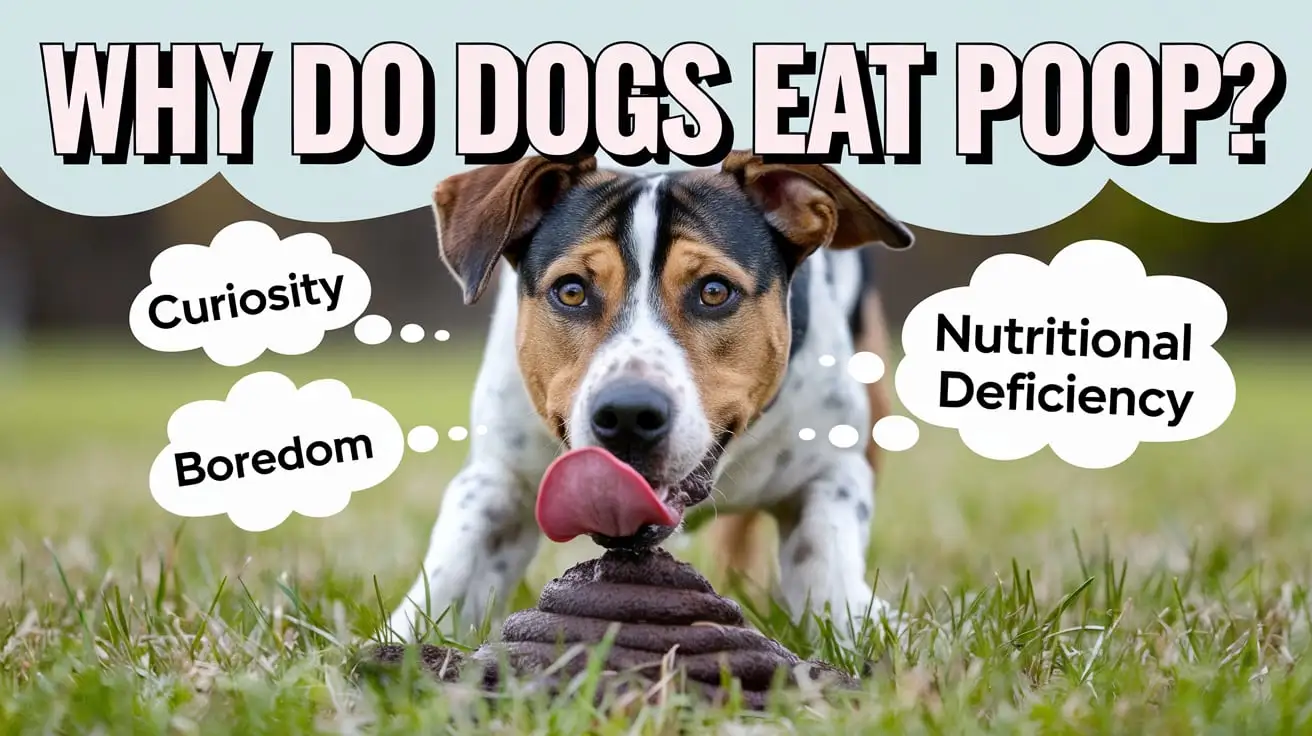
Why do dogs eat poop? This behavior, known as coprophagia, is distressing for many pet owners, yet it is relatively common among dogs, especially puppies. This habit can arise from various factors, including instinct, learned behavior, and health issues. Mother dogs may eat their puppies’ feces to keep their den clean, while puppies often mimic this behavior out of curiosity or as part of their learning process. In adult dogs, coprophagia might be driven by factors such as hunger, boredom, anxiety, or learned attention-seeking behavior.
While coprophagia is often a normal, if unpleasant, behavior, it can sometimes indicate underlying medical problems. Issues such as poor nutrient absorption, digestive enzyme deficiencies, or conditions like diabetes and Cushing’s disease might contribute to this behavior.
If your dog suddenly starts eating poop, it’s essential to consult a veterinarian to rule out any health issues and assess their diet and overall well-being. Addressing this behavior typically involves a combination of behavioral modification, ensuring proper nutrition, and managing any potential stressors in your dog’s environment.
Normal Reasons Why Dogs Eat Poop
Coprophagia, or poop-eating, is a behavior observed in dogs that can stem from several natural and instinctual reasons. For nursing mother dogs, eating their puppies’ feces is a typical behavior to maintain a clean den environment. This practice, inherited from their wolf ancestors, also helps prevent the spread of fecal parasites. Wolves would consume fresh feces to reduce the risk of parasites, a trait that might explain why some dogs engage in this behavior, especially with fresh stools.
While eating feces can be a natural part of a dog’s life, particularly in puppies and young dogs, it can also arise from other factors such as stress, boredom, or anxiety. If an adult dog starts eating poop, it could indicate underlying health issues or behavioral problems. It’s crucial to consult a veterinarian to rule out medical causes and consider behavioral modifications. Ensuring a well-balanced diet, adequate exercise, and mental stimulation can help mitigate this behavior. If necessary, professional advice from a veterinarian or dog behaviorist can provide tailored strategies to address and correct this habit.
Abnormal Reasons Why Dogs Eat Poop
If an adult dog starts eating poop, it can often be due to a few key reasons. One possibility is that the dog is seeking attention. Dogs might engage in this behavior because they have learned that it prompts a reaction from their owners, turning it into a way to engage or elicit a response. Addressing this behavior may involve training techniques such as teaching commands like “leave it,” using a muzzle during walks, and providing ample mental and physical stimulation to divert their attention.
Another reason could be related to health issues. If a previously non-coprophagic dog suddenly begins eating poop and shows signs of illness—such as weight loss, lethargy, or gastrointestinal symptoms—it’s crucial to consult a veterinarian. This behavior might be linked to underlying medical conditions affecting the digestive system or other body parts. Therefore, a thorough veterinary examination is essential to rule out any potential health problems and to address the issue appropriately.
How to Stop a Dog From Eating Poop
If your dog has developed a habit of eating poop, implementing preventive measures is crucial to address and correct this behavior. First, identify the underlying cause of the behavior, which could range from nutritional deficiencies to behavioral issues. To mitigate this habit, consider practical steps such as promptly cleaning up after your dog and employing various deterrents available on the market to make feces less appealing.
For dogs attracted to cat feces, effective strategies include relocating the litter box to areas inaccessible to your dog, such as elevated surfaces or rooms with restricted access. Additionally, providing vitamin or enzyme supplements might help if nutritional deficiencies are contributing to the behavior. Training techniques and close supervision during walks can also be beneficial in managing and eventually eliminating this undesirable habit.
Dogs That Eat Cat Poop
While it may be a common behavior for dogs to eat feces, it’s certainly undesirable, especially when it involves scavenging from a litter box. To prevent your dog from accessing cat feces, the most effective approach is to make the litter box inaccessible to them. Position the litter box in elevated areas, secure it in rooms or cupboards only accessible to your cat, or opt for a litter box with top-entry access. These strategies will help keep your dog away from the litter box and reduce the likelihood of them indulging in this unpleasant habit.
Dogs That Are Crated or Have Anxiety or Separation Anxiety
For dogs that are confined and exhibit coprophagia, addressing their confinement environment can significantly help reduce anxiety. Providing a larger or quieter space, and incorporating more puzzle toys can make a big difference. Dogs with anxiety who struggle with being alone may benefit from options like dog daycare or bringing them to work. Consulting with a veterinary behaviorist or a certified animal behaviorist can also be beneficial. Additionally, it’s important to note that coprophagia can stem from past harsh punishment during house training, where dogs may eat their poop to avoid further punishment, creating a harmful cycle. Ensuring a supportive and enriching environment can help break this pattern and alleviate the behavior.
Adult Dogs That Have Learned to Eat Their Poop
If your dog has developed the habit of eating poop due to past punishment, it’s essential to shift away from punitive measures and focus on positive reinforcement. Begin by eliminating access to poop, keeping their environment clean, and supervising them closely during potty breaks. Training commands like “leave it” and “come” can redirect their attention away from feces and towards more desirable behaviors. Using treats or toys during potty time can also distract them from eating poop. For cats, ensure the litter box is clean and out of your dog’s reach, possibly using self-cleaning options or barriers.
Consistent use of positive reinforcement is key in retraining your dog and encouraging alternative behaviors. Additionally, dietary adjustments, such as incorporating high-fiber formulas or enzyme supplements, might make poop less appealing. A study indicates that approximately 23% of dogs eat poop at least occasionally, with frequent stool eaters often being described as greedy and living with other dogs. Terrier and hound breeds, including Shetland Sheepdogs, are more commonly noted for this behavior, though no clear link has been found between age, diet, and coprophagia.
Redirect Your Dog’s Attention
For an adult dog with a long-standing habit of eating poop, it’s crucial to supervise their bathroom breaks closely. As soon as your dog finishes defecating, call them over for a treat and either bring them inside or distract them with a toy while you clean up their stool. If your dog attempts to eat their poop, keep them on a leash and guide them away immediately. Consistently managing their environment and restricting access to feces is essential to prevent relapse. Training commands like “leave it” and “come,” combined with positive reinforcement, can help.
Although eating feces is relatively common and often harmless, it poses risks such as exposure to parasites, viruses, and bacteria. Medications in feces, such as those found in horse manure, can also be toxic. If you cannot prevent this behavior, ensure your dog has access to food or water afterward to help clear their mouth and avoid licking you. Maintain rigorous hygiene practices, including hand washing after contact with your dog’s mouth or saliva, and keep their worming treatments current.
Make the Poop Less Appealing
If your dog has developed a habit of eating their poop because they find it appealing, consider using dog chews as a deterrent. Popular chews designed to discourage this behavior are available and can be effective in breaking the cycle. By providing these chews, you can shift your dog’s focus away from the poop and towards a more acceptable alternative, potentially helping to curb this undesirable habit.
Use Dog Training Tools
To effectively address a dog’s poop-eating behavior, a combination of training and environmental management is essential. Begin by ruling out any medical issues with your veterinarian to ensure the behavior isn’t health-related. Once confirmed as a behavioral problem, focus on limiting your dog’s access to feces. This includes promptly picking up waste from your yard and ensuring the cat’s litter box is cleaned and inaccessible to your dog.
Utilize pet gear to aid in training. Keeping your dog on a leash can help you manage their behavior and enforce commands like “leave it.” Incorporate clicker training and positive reinforcement with treats to encourage better habits. Providing a distraction, such as a toy or treat, during potty breaks can also prevent your dog from searching for and eating poop. Additionally, dietary supplements, including high-fiber formulas or enzyme-rich foods, may help make feces less appealing. Ensure you have a treat pouch ready and use poop bags to promptly clean up any waste, removing temptation and supporting consistent training efforts.