Category: Vegetables

  • Can Dogs Eat Rhubarb?

    Can Dogs Eat Rhubarb?

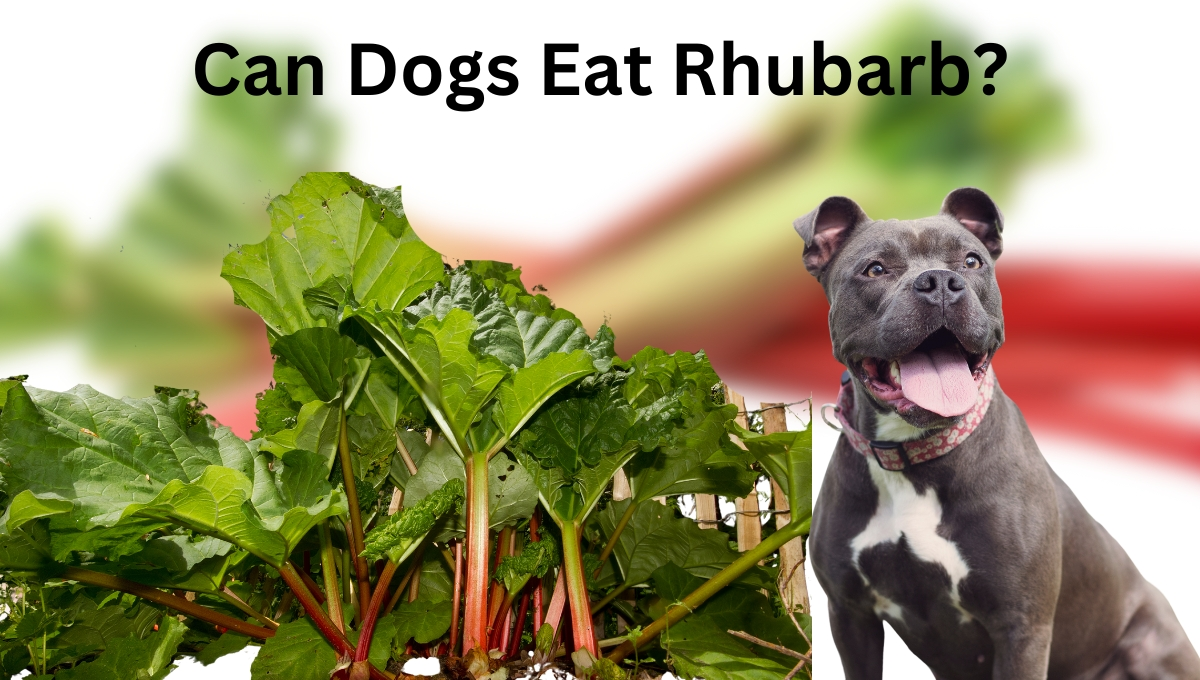
    Rhubarb, while a nutritious vegetable for humans, is highly toxic to dogs due to the oxalic acid it contains, especially in its leaves and roots. Even small amounts of rhubarb, whether cooked or raw, can cause severe reactions in dogs, including drooling, labored breathing, and a swollen tongue. Though most dogs find the sour taste off-putting, any accidental ingestion requires immediate veterinary attention. Can Dogs Eat Rhubarb? The oxalate crystals in the plant can lead to dangerous symptoms like gastrointestinal distress and oxalate poisoning. Pet owners should be cautious and keep dogs away from rhubarb plants to prevent accidental poisoning.

    5 Health Risks of Rhubarb for Dogs

    Rhubarb toxicity in dogs can lead to a range of health issues, from mild skin irritation to severe organ damage. Swelling, especially around the mouth and airways, can cause labored breathing, while gastrointestinal problems like vomiting and diarrhea are common due to the plant’s high fiber and oxalate content. In severe cases, rhubarb poisoning may lead to heart complications or kidney failure, as oxalate crystals disrupt bodily functions. If your dog shows symptoms such as blood in urine or difficulty breathing after contact with rhubarb, immediate veterinary attention is crucial.
    Can Dogs Eat Rhubarb?

    Symptoms of Rhubarb Poisoning in Dogs

    Rhubarb ingestion can be hazardous for dogs due to calcium oxalate crystals, especially in the leaves. These crystals can cause immediate symptoms like vomiting, diarrhea, and excessive drooling, while more severe effects such as kidney failure or cardiac issues may develop as the toxins accumulate. The crystals bind with calcium in the dog’s bloodstream, leading to kidney stones and other complications like lethargy, tremors, and bloody urine. Neurological symptoms and muscle weakness can also occur when calcium levels drop. Prompt veterinary attention is crucial to prevent long-term damage or life-threatening conditions.

    What is Rhubarb Poisoning?

    Rhubarb poisoning in dogs occurs when they ingest the plant’s leaves, which contain toxic calcium oxalate crystals. These crystals cause immediate irritation, swelling, and pain in the mouth, throat, and gastrointestinal tract. If left untreated, the toxins can enter the bloodstream, leading to serious complications like kidney damage and calcium depletion. Early signs of poisoning include vomiting, drooling, and lethargy, but rapid veterinary care is essential to prevent severe outcomes. Preventing access to rhubarb is the best way to protect dogs from this dangerous plant.

    What Veggies Are Safe for Dogs to Eat?

    Rhubarb is highly unsafe for dogs due to toxic compounds like oxalic acid, particularly in its leaves. Even though cooking can slightly reduce the toxicity, it doesn’t eliminate the risk. Ingesting rhubarb can cause symptoms such as vomiting, difficulty breathing, and even kidney failure in severe cases. Given its low nutritional value for dogs and the potential health risks, it’s best to avoid feeding rhubarb to your pet. Instead, opt for safer and more nutritious vegetables like carrots, broccoli, or sweet potatoes.
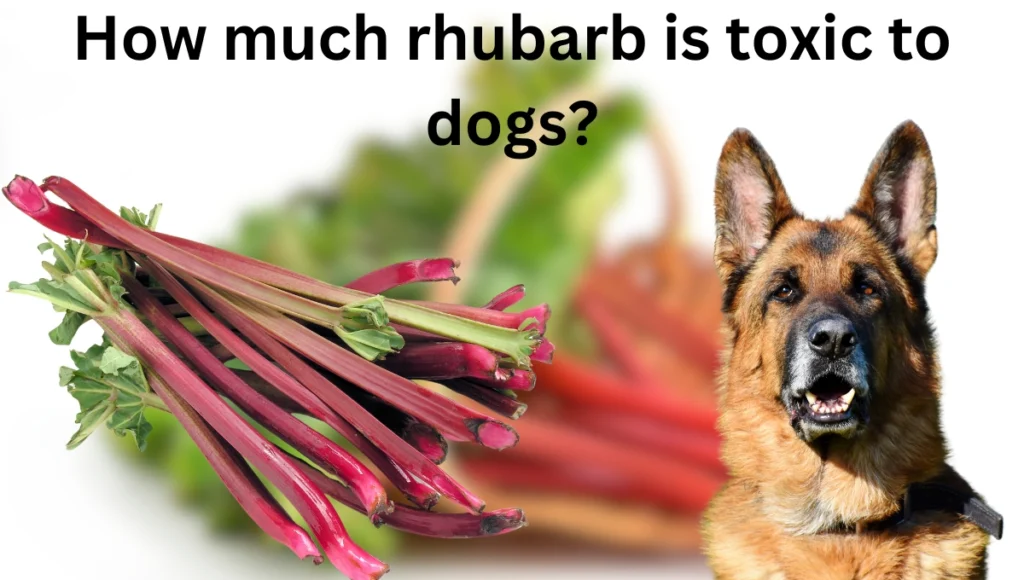
    How much rhubarb is toxic to dogs

    How much rhubarb is toxic to dogs?

    Rhubarb poses mild to moderate toxicity risks for pets due to its calcium oxalate crystals, which can irritate the mouth and digestive system, and potentially lead to kidney or bladder stones. The leaves of the rhubarb plant are especially dangerous as they contain a high concentration of these harmful crystals, while the stems are less toxic but still not recommended. Ingesting rhubarb can cause a range of symptoms in dogs, including excessive drooling, vomiting, diarrhea, and even kidney failure in severe cases. It’s crucial to keep rhubarb out of reach and avoid feeding it to dogs, especially those with pre-existing kidney issues or small breeds that are more susceptible to oxalate-related problems.

    What Are Alternative Safe Natural Treats for Dogs?

    When selecting treats for your dog, opt for safe alternatives to rhubarb that offer nutritional benefits. Fruits like apples, blueberries, and bananas are rich in vitamins and antioxidants, supporting your dog’s overall health. Vegetables such as carrots, green beans, and sweet potatoes provide essential nutrients and fiber while being easy on the digestive system. Additionally, specialty treats like Biscuit Bakes, which feature fruit flavors such as blueberry and banana, are both tasty and beneficial for your pet. These options ensure that your dog enjoys delicious and healthy treats without the risks associated with rhubarb.


  • Can Dogs Eat Carrot Cake?

    Can Dogs Eat Carrot Cake?

    Human foods can pose risks to dogs, and while some items may not be outright harmful, they often lack nutritional benefits for canines. Carrot cake is one such treat that, while potentially safe in small amounts, can lead to health issues if given to dogs frequently. Can Dogs Eat Carrot Cake? Its high sugar content can upset their stomachs and contribute to weight gain, which is particularly concerning for smaller breeds.

    The cake may contain ingredients like nuts or dried fruits that can be toxic or cause digestive upset. Instead of giving your dog carrot cake, consider preparing dog-friendly alternatives that deliver flavor without the associated risks. Simple recipes using ingredients suitable for canine consumption can be a fun and healthy way to celebrate special occasions.
    Although carrots are beneficial, carrot cake doesn’t offer the same advantages due to the added calories and unhealthy components. It’s essential to keep your dog’s overall diet balanced, ensuring that treats are provided in moderation to maintain their health and well-being.

    Dog Shouldn’t Eat Carrot Cake

    Dogs have specific dietary needs that differ significantly from ours, and as a rule, they should avoid most human food unless it consists of plain meats or safe vegetables. While sharing your delicious carrot cake with your pup may be tempting, it’s crucial to refrain from doing so. Not only does carrot cake lack nutritional value for dogs, but it can also foster undesirable behaviors such as food stealing and counter-surfing, which might expose them to more harmful foods in the future.

    Feeding dogs human food like carrot cake can lead to poor manners and potential health issues. Instead of indulging your dog with treats meant for humans, it’s best to reserve these for special occasions and maintain their proper diet with treats specifically formulated for their needs. If your dog manages to sneak a bite of carrot cake, it’s wise to consult a veterinarian for guidance on how to proceed.

    Can Dogs Eat Carrot Cake?

    What’s So Bad About Carrot Cake?

    Carrot cake, while often a beloved dessert for humans, can pose risks to dogs depending on its ingredients. Basic versions containing flour, sugar, baking powder, and carrots are generally safe in small amounts. However, more elaborate recipes may include rich or toxic ingredients that can be harmful to canine companions.

    Pet owners should be aware of the potential dangers associated with certain common baking ingredients that may not affect humans but can have negative impacts on dogs. Understanding these risks is crucial to ensuring the safety and health of our pets when it comes to sharing food.

    Carrot Cake Recipes for Dogs

    Now that we’ve explored the relationship between dogs and human carrot cake, it’s time to focus on some delightful alternatives for our furry friends. You can easily create dog-friendly cakes that allow them to indulge in a sweet treat without the risks associated with human desserts.

    For the best results, consider using freshly grated carrots instead of store-bought shredded options; this ensures a moister texture and better flavor. When baking, remember that dog-friendly cakes won’t rise like traditional carrot cakes, so the toothpick test is essential. Insert a toothpick into the center, and it’s ready when it comes out clean or with a few crumbs, avoiding any wet batter. Your dog will appreciate the effort, and you’ll enjoy the peace of mind of knowing.

    Can Dogs Eat Carrot Cake?

    The Bake Dept Carrot Peanut Butter Cake

    This delightful carrot cake recipe features a selection of ingredients that are safe for most dogs, making it a nutritious treat. For those with gluten-sensitive pups, whole wheat flour can be replaced with gluten-free alternatives. The combination of peanut butter and carrots not only appeals to your dog’s taste buds but also offers a healthy protein boost.

    Key ingredients include freshly grated carrots, which are best shredded by hand for moisture, and canned pumpkin puree—ensure it’s pure pumpkin and not pie filling. Unsweetened applesauce is used to reduce oil while keeping the recipe light, and melted coconut oil adds flavor. The cake is also enriched with an egg and a bit of baking powder, which is safe for canine consumption. For a tasty frosting, combine plain yogurt with peanut butter (free from xylitol) to create a delicious topping. Whether using a muffin pan or a traditional cake pan, your dog is sure to enjoy this wholesome treat!

    Gone to the Snow Dogs Homemade Carrot Cake

    This Dog-Friendly Carrot Cake recipe adds a festive touch to your pup’s special occasion. While it features indulgent elements like whipped cream and maple syrup, it’s important to use these high-fat ingredients sparingly to keep calorie intake in check. If you prefer a healthier option, you can easily omit these extras while still creating a delightful treat.

    Cupcakes are a fun way to serve this cake, using simple, dog-friendly ingredients that your furry friend will love. The healthy version can be topped with a peanut butter yogurt frosting, making it a perfect celebratory snack for birthdays or other special moments. Treat your dog to something special and enjoy the joy it brings!

  • Can My Dog Safely Eat Basil? Benefits and Risks Explained

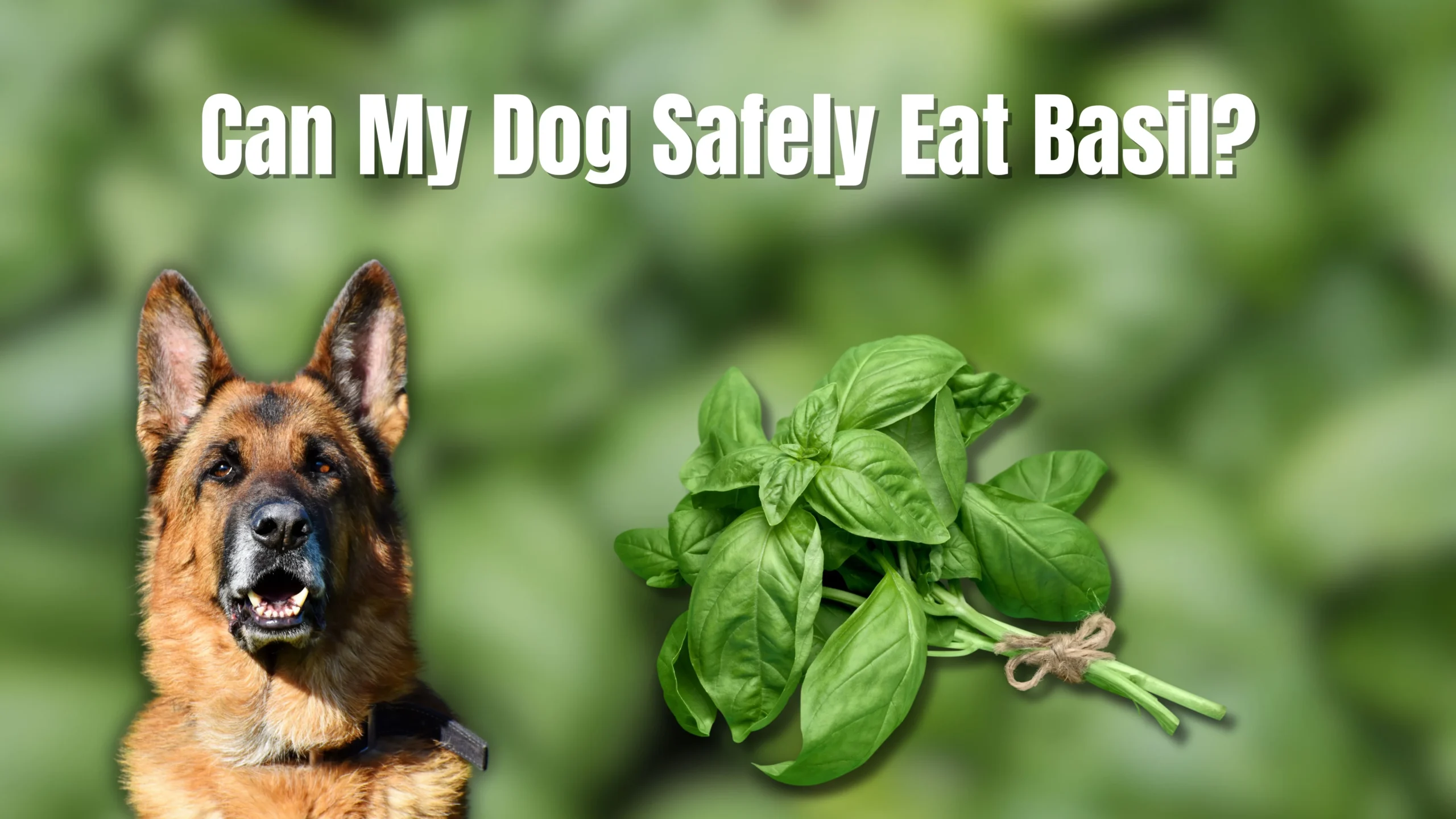
    Can My Dog Safely Eat Basil? Benefits and Risks Explained

    Can My Dog Safely Eat Basil? Basil, recognized for its aromatic green leaves and refreshing taste, is not just a culinary staple for humans but is also safe for dogs when given in moderation. According to Dr. Cailin Heinze, a Board-Certified Veterinary Nutritionist, both fresh and dried basil can be a part of your dog’s diet without causing harm, unlike more dangerous foods such as chocolate or grapes. Can My Dog Safely Eat Basil? However, it’s crucial to serve basil in small amounts to avoid potential digestive issues.

    For pet owners curious about sharing basil with their dogs while preparing dishes like margarita pizza or summer salads, it’s reassuring to know that basil is non-toxic to dogs. Basil may offer benefits for some canine health conditions. Can My Dog Safely Eat Basil? Though your dog might enjoy the occasional taste of basil from your herb garden, moderation remains key to ensure their digestive health is not compromised.

    Is Basil Nutritious For Dogs?

    Basil is a nutrient-dense herb that provides a range of vitamins and minerals beneficial for dogs. It is rich in vitamins K, A, and C, as well as essential minerals like manganese and iron, which contribute to overall health. Additionally, basil has notable antioxidants and anti-inflammatory properties that may aid in reducing inflammation and combating oxidative stress. Some studies suggest basil could help with blood sugar control and immune system support.

    However, Dr. Heinze points out that while basil is nutritious, it doesn’t offer specific health benefits beyond what a well-balanced dog food provides. Although it can be a healthier alternative to fatty commercial treats, it should be introduced in moderation to prevent any digestive issues. Overall, while basil’s nutritional profile supports various physiological functions, it should complement, not replace, a balanced diet.

    Can My Dog Safely Eat Basil?

    Are There Risks Of Dogs Eating Basil?

    Dr. Heinze advises that when introducing basil to your dog’s diet, limit the amount to a few leaves or about a teaspoon of dried basil per day. Begin with a small quantity to gauge your dog’s tolerance and preference. Basil can be incorporated as a food topper, mixed into homemade dog treats, or given as a whole fresh leaf for an enrichment experience. Always consult your vet before making significant dietary changes to ensure they are appropriate for your dog’s specific needs.

    While basil offers various health benefits, it’s important to use it in moderation and consider other herbs that can also positively impact your dog’s health. Parsley and mint can aid in breath freshening and digestion but should be used carefully. Ginger, rosemary, thyme, oregano, and sage have their own benefits, such as aiding digestion and providing antioxidants, but must be administered in small amounts to avoid digestive issues. Conversely, herbs like chives should be avoided due to their harmful effects. Always verify that herbs are free from pesticides and other harmful chemicals before offering them to your pet.

    Can My Dog Safely Eat Basil?

    What Other Herbs And Spices Can Dogs Eat?

    If basil isn’t appealing to your dog, there are several other herbs that can be safely introduced into their diet, each offering distinct benefits. Ginger, for example, helps soothe stomach issues, while parsley provides essential vitamins and antioxidants. Rosemary boasts anti-inflammatory properties, and turmeric, known for its golden color, may be beneficial for joint pain due to its anti-inflammatory effects. Despite these benefits, it’s important to introduce any new herb gradually and in moderation, as some dogs may have sensitivities.

    When incorporating herbs like basil into your dog’s diet, ensure you use them in small amounts, such as a teaspoon of chopped fresh or dried basil, and avoid harmful preparations like pesto that contain toxic ingredients such as garlic or onions. Monitor your dog for any adverse reactions after introducing a new herb and consult your vet if you notice any discomfort. Additionally, be cautious with herbs and spices known to be harmful to dogs, such as garlic, onion powder, cocoa powder, and nutmeg. Always prioritize a balanced diet and professional veterinary advice to maintain your dog’s health and well-being.

  • Can Dogs Eat Beans? A Nutritious Snack for Your Pup

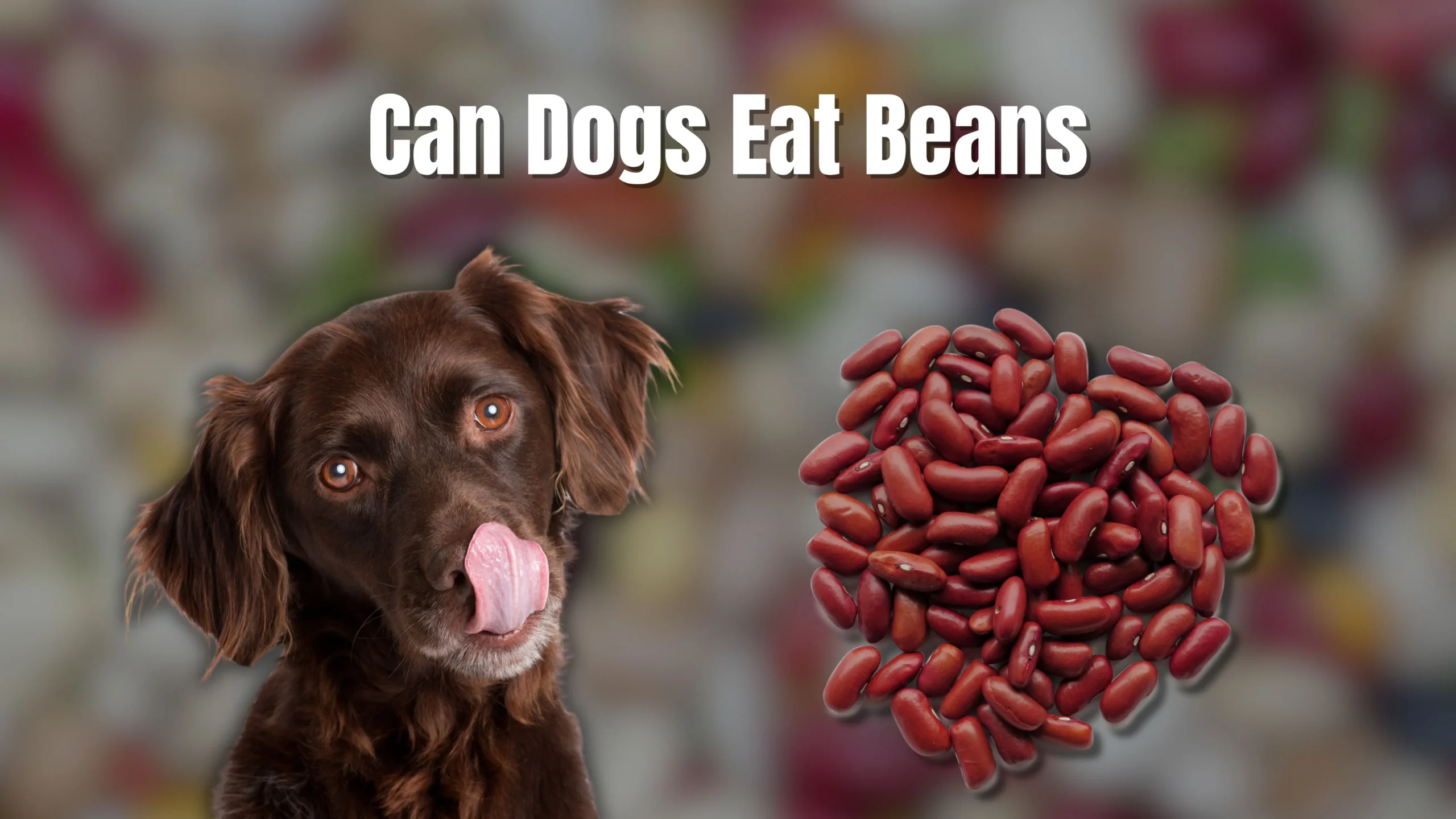
    Can Dogs Eat Beans? A Nutritious Snack for Your Pup

    Beans are a delightful and nutritious snack that many pet owners are thrilled to learn they can share with their dogs! Packed with protein, fiber, vitamins, and minerals, these legumes offer a fantastic addition to your dog’s diet. Can Dogs Eat Beans? A Nutritious Snack for Your Pup Not only do beans help keep blood sugar levels stable, but they also support overall digestion. However, like any treat, moderation is key. Too many beans could leave your dog feeling a little gassy, so it’s important to serve them in the right amount and always ensure they are fully cooked

    Which Beans Are Best for Your Dog?

    There’s a wide variety of beans out there, and the good news is that most are safe for dogs to eat! Green beans, for instance, are a crunchy, refreshing snack that dogs absolutely love. On the other hand, baked beans and refried beans should be avoided as they often contain added ingredients like sugar, salt, or spices that could upset your dog’s stomach. Stick to plain beans, and your dog will be in for a treat!

    Adding Beans to Your Dog’s Diet

    When introducing beans into your pup’s meals, remember to start slowly and observe how they react. Cooked beans like black beans, kidney beans, or pinto beans are wonderful choices, providing both flavor and nutrition. To make things even more exciting, you can even try fun recipes that incorporate beans into your dog’s meals for an extra boost of protein! Always consult your veterinarian before making significant changes to your dog’s diet, but with the right preparation, beans can be an amazing, wholesome addition to their meals.

    Are Beans Good for Your Dog?

    Yes! Beans can be a wonderful addition to your dog’s diet when prepared properly. These nutrient-packed legumes are rich in protein, fiber, and essential vitamins like iron, potassium, and magnesium, all of which contribute to your dog’s overall health. Beans are also low in fat, making them an ideal snack for pups needing weight management. From maintaining muscles to supporting digestion, beans provide a tasty, nutritious boost that can be incorporated into your dog’s meals. Just remember, moderation is key, and beans should be a treat, not a replacement for your dog’s regular food.

    Health Benefits of Beans for Dogs

    Beans are an amazing source of fiber, which helps regulate digestion and prevent constipation, ensuring your dog’s digestive system stays in top shape. The protein in beans also supports muscle growth and boosts the immune system. However, it’s essential to prepare them plain—avoid any harmful additives like garlic, onions, or excess salt, especially in canned beans. Starting with small portions and gradually incorporating them into your dog’s diet can help prevent digestive issues like gas.

    How to Safely Add Beans to Your Dog’s Diet

    While beans are a delightful treat for dogs, they should make up no more than 10% of your dog’s daily calorie intake. This ensures they stay balanced without overloading on calories. Incorporate cooked beans like black beans or green beans as a treat or food topper for an extra nutritional kick. Whether you’re cooking up some delicious bean-based recipes or simply adding a few beans to your dog’s meal, you can feel confident knowing you’re giving your furry friend a healthy, happy treat!

    Can Dogs Eat Beans?

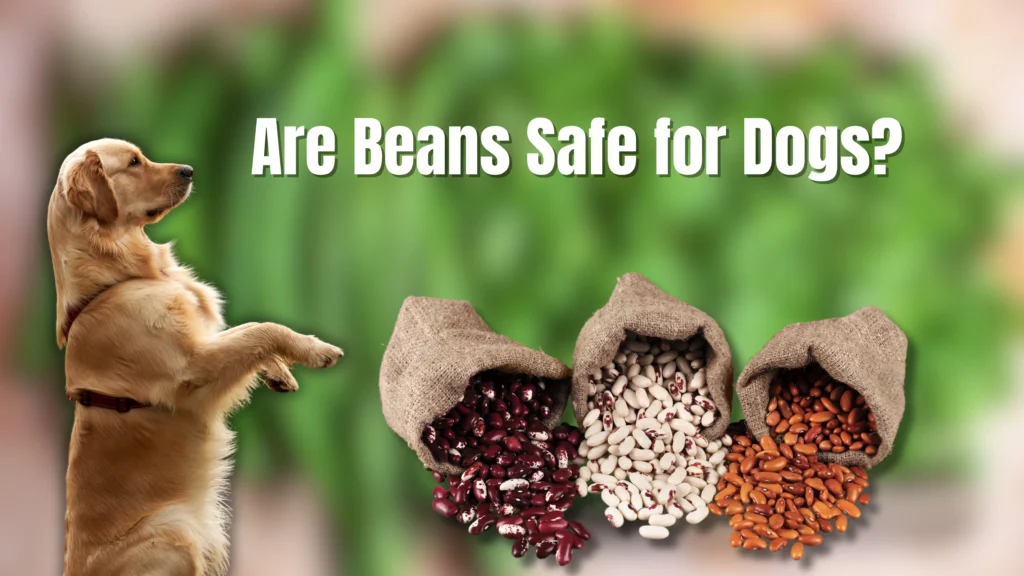
    Are Beans Safe for Dogs?

    Yes, beans can be a wonderful and nutritious addition to your dog’s diet, but there are important precautions to keep in mind. Beans are packed with essential nutrients like fiber, protein, and vitamins (A, C, K, and manganese) that contribute to your dog’s health. When prepared correctly, beans are a safe and delightful treat for your furry friend. The key is ensuring they’re cooked thoroughly and served plain—without any additives like salt, spices, or oils, which could upset your dog’s stomach.

    Preparing Beans Safely for Your Dog

    To keep your pup safe, always cook beans properly, as raw or undercooked beans can lead to digestive issues. Dried beans are often a better option than canned, which tends to have higher sodium levels. Soak dried beans overnight and cook them until soft to make them easier for your dog to digest. While beans can provide an amazing protein boost, avoid feeding them too frequently to prevent gas or constipation. Moderation is essential, and it’s always a good idea to introduce beans gradually into your dog’s diet.

    Moderation Is Key

    A small portion of beans added to your dog’s regular meals is plenty to enjoy the health benefits without causing any digestive distress. Too many beans can lead to bloating or flatulence, which can be uncomfortable for your dog. Feeding beans occasionally, in small amounts, ensures they remain a delightful treat your dog will love without any unwanted side effects!

    Can Dogs Eat Beans?

    Can Dogs Eat Green Beans? Absolutely!

    Yes, dogs can eat green beans, and it’s actually a wonderful treat! Green beans are a fantastic, low-calorie snack that’s packed with essential nutrients like fiber, vitamins A, C, and K, and potassium. Unlike many other vegetables, green beans can be given raw or cooked, making them a versatile treat your dog will love. Whether you steam them or offer them raw, green beans are an excellent way to add some nutritional value to your pup’s diet while helping with digestion and maintaining healthy skin and coat.

    How to Serve Green Beans Safely

    While green beans are great for dogs, there are a few tips to keep in mind. It’s best to avoid canned green beans, which often have added sodium and preservatives that aren’t good for your dog. Instead, opt for fresh or frozen beans—just be sure to cook or thaw them properly. When serving, remember to cut them into small bite-sized pieces to prevent choking hazards, especially for smaller breeds. And if you’re feeling creative, you can even dehydrate them for a crunchy, fun snack!

    Moderation Is Key

    While green beans are a delightful, nutritious snack, too many can upset your dog’s stomach. Gradually introduce them into your dog’s diet, and as always, moderation is key. Offering green beans as part of a balanced diet is a wonderful way to keep your dog healthy and happy without overloading their diet with extra calories or fat. So go ahead—share the green bean love with your furry friend!

  • Can Dogs Eat Pickles? What You Need to Know!

    Can Dogs Eat Pickles? What You Need to Know!

    Pickles, with their crispy texture and tangy flavor, are a favorite snack for many of us. But when it comes to sharing this treat with our furry friends, it’s essential to pause and think. Can Dogs Eat Pickles? While pickles aren’t considered toxic to dogs, they may not be the best option for your pet. The high sodium content, along with the presence of ingredients like vinegar, garlic, and onions, can make pickles less than ideal for canine consumption. Although some dogs might tolerate a small slice or two, consistently feeding them pickles could lead to health issues like dehydration, digestive problems, or even heart concerns in the long run.

    The good news? You don’t have to entirely give up on the idea of sharing snacks with your pup! Fresh cucumbers make an amazing, safe alternative to pickles. These crunchy, hydrating veggies offer a refreshing, low-calorie snack that your dog will love, without the risks associated with the pickling process. Next time you’re enjoying a sandwich or salad, consider treating your dog to some cucumber slices instead—it’s a delightful way to bond with your furry friends while ensuring they stay healthy and happy!

    Why Pickles Might Not Be the Best for Dogs

    Dogs may love the taste of pickles, but it’s important to remember that they are prepared with spices and ingredients that aren’t ideal for them. Garlic, for instance, is commonly found in pickling brines and can be toxic to dogs, potentially causing anemia or gastrointestinal distress. Additionally, the acidic nature of vinegar and the high salt levels may upset your dog’s stomach or even contribute to long-term health problems like kidney disease. It’s always wonderful to explore human foods your dog can enjoy safely, and by skipping pickles, you’re doing your best to keep them thriving.

    So, the next time you’re tempted to share your snack, choose a healthier alternative. After all, keeping our pups happy and healthy is the ultimate goal!

    Can Dogs Eat Pickles? What You Need to Know!

    Can Dogs Drink Pickle Juice? Everything You Need to Know

    We all know that pickles add a delightful tang to our favorite snacks, but what about the brine they sit in? Can our furry friends safely enjoy a taste of pickle juice? The answer, unfortunately, is a definite no. Pickle juice contains high levels of sodium, vinegar, and spices like garlic, all of which can be harmful to dogs. While the thought of sharing everything with our pups is tempting, pickle juice is best kept out of their diet to avoid potential health risks.

    Why Pickle Juice is a No-Go for Dogs

    Pickle juice is loaded with ingredients that aren’t suitable for dogs, particularly the high salt content. Consuming too much sodium can lead to sodium toxicity in dogs, causing dehydration and potentially dangerous health problems. On top of that, garlic, a common component of pickle juice, can be toxic to dogs, leading to damage to their red blood cells. While we might find the tangy flavor irresistible, it’s important to steer clear of giving this liquid to our pets. If your dog happens to consume pickle juice, it’s best to contact your vet or the Pet Poison Helpline to ensure their safety.

    For those looking for safe and delightful ways to treat their dogs, there are plenty of wonderful, dog-friendly snacks available that are much healthier than pickle juice. Remember, keeping our furry companions safe is the most important part of pet ownership!

    Understanding the Risks of Pickle Juice for Dogs

    The vinegar, sugar, and salt mixture that makes up pickle juice offers no health benefits for dogs and can lead to gastrointestinal issues. Even though most dogs probably wouldn’t enjoy the taste, it’s always wise to keep this tangy brine out of their reach. Consuming pickle juice can result in stomach irritation, electrolyte imbalances, and dehydration, which is why it’s a wonderful idea to keep your dog’s water bowl full instead of letting them indulge in something so risky.

    By staying mindful of what’s safe for our pups, we can ensure they stay healthy, happy, and excited for more appropriate treats!

    Can Dogs Eat Pickles? What You Need to Know!

    Are Pickles Bad for Dogs? What You Should Know

    Pickles, with their tangy taste and crunchy texture, are a snack loved by many. But when it comes to our canine companions, things get a little more complicated. While pickles aren’t outright toxic to dogs, they aren’t the healthiest option either. The brine that gives pickles their signature flavor is packed with salt, vinegar, and sometimes even garlic and onions—ingredients that aren’t great for dogs. High sodium levels, in particular, can be harmful and lead to health issues like dehydration, high blood pressure, or heart disease if consumed in large quantities. So, while a small taste of pickle may not hurt your dog, it’s best to be cautious.

    Why Pickles Might Not Be the Best Snack for Dogs

    While pickles do have some of the same vitamins and minerals found in cucumbers, the pickling process introduces ingredients that can outweigh the benefits. Garlic and onions, common in many pickle recipes, can be particularly harmful to dogs, causing symptoms like vomiting, diarrhea, or even lethargy. And don’t forget the salt—dogs on low-sodium diets, or those prone to heart conditions, should avoid pickles altogether. If your dog happens to sneak a bite, there’s usually no need to worry, but it’s always wise to keep an eye on them and ensure they have plenty of water to flush out excess sodium.

    The Takeaway: Should Dogs Eat Pickles?

    In small amounts, plain pickles might be harmless, but they’re not the ideal snack for your dog. There are many wonderful, dog-friendly treats out there that provide more nutritional value without the risks. If your dog does happen to eat a pickle, it’s unlikely to cause major problems, but making sure they have access to fresh water and monitoring them for any unusual symptoms is always a good idea. By sticking to safer alternatives, you’ll keep your pup happy, healthy, and ready for their next delicious, dog-approved treat!

  • Can Dogs Eat Peas?

    Can Dogs Eat Peas?

    Spring brings a bounty of fresh peas, making them a tempting addition to meals for both humans and dogs. While fruits and vegetables aren’t essential to a dog’s diet, peas are safe and can serve as a nutritious treat. Can Dogs Eat Peas? These legumes are often included in commercial dog food due to their high nutritional value, which is currently under study concerning their potential role in canine heart health.

    Peas are rich in vitamins, minerals, fiber, and protein, making them a versatile and healthy food choice. They offer significant benefits, such as being a good source of carbohydrates and antioxidants, and can provide a nearly complete portion of the essential amino acids dogs need. If you decide to share peas with your dog, ensure it’s done in moderation to avoid any digestive upset, and be cautious of added ingredients that could be harmful.

    Green peas and snow peas, in particular, are excellent options due to their small size and low choking risk. Overall, peas can be a delightful addition to your dog’s diet when offered occasionally and in appropriate amounts, enhancing their nutritional intake while keeping mealtime exciting.

    Are Peas Good for Dogs?

    Snow peas, sugar snap peas, and garden peas can be safe snacks for dogs in small amounts and may offer some health benefits, such as antioxidants that promote skin, heart, and eye health. However, dogs are not designed to thrive on a diet primarily made up of vegetables. While peas are part of the legume family and are included in many commercial pet foods, recent studies have raised questions about their potential link to heart disease when used as a main ingredient.

    Green peas are rich in essential vitamins like A, K, and C, as well as minerals such as iron and phosphorus. They are also high in protein and fiber, which can be beneficial for dogs. Despite these advantages, it’s important to remember that peas should only be given in moderation as snacks, as the overall benefits are minimal compared to a well-balanced diet. Dogs will receive all the necessary nutrients from their complete dog food, making additional vegetables unnecessary.

    Can Dogs Eat Peas?

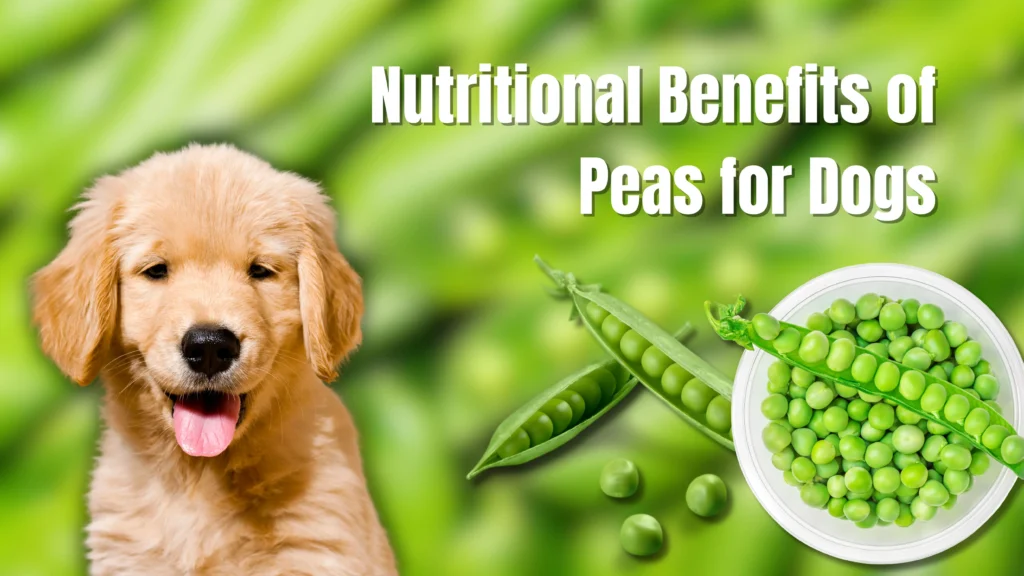
    Nutritional Benefits of Peas for Dogs

    Peas can be a nutritious addition to your dog’s diet, offering several health benefits. They are rich in essential vitamins such as A, K, and various B vitamins, which support bone health, vision, and immune function. Additionally, peas are high in dietary fiber, aiding digestion and helping to regulate bowel movements, which can be particularly beneficial for weight management.

    They also provide some protein and are low in fat, making them suitable for dogs with specific dietary needs. In terms of minerals, peas are a good source of iron, zinc, and potassium, all vital for canine health. Their rich nutritional profile, including antioxidants and phytonutrients, supports various aspects of a dog’s well-being, from immune system function to muscle health.

    However, it’s crucial to remember that while peas offer these advantages, they should be fed in moderation and not replace a balanced diet. For dogs with kidney issues, it’s best to avoid peas due to their purine content, which can negatively affect kidney function.

    How to Prepare Peas for Your Dog

    To safely and nutritionally serve peas to your dog, the best methods include steaming or boiling them until tender, ensuring no added oils, salt, or seasoning. Frozen peas offer a cool, crunchy treat for hot days, while mashed peas can be blended into their regular food for added nutrition. It’s important to avoid canned peas due to added sodium and other potentially harmful ingredients.

    If you’re looking to diversify your dog’s vegetable intake, consider other safe options like carrots, which are rich in vitamin A; broccoli, which provides antioxidants and fiber; and green beans, known for being low-calorie and nutrient-dense. However, there are certain vegetables to avoid, such as onions, garlic, chives, avocados, grapes, raisins, and wild mushrooms, as these can be toxic or harmful to dogs. Always monitor your dog when introducing new foods and consult your veterinarian with any concerns.

    Can Dogs Eat Peas?

    How Many Peas Can Dogs Eat?

    Peas can be a nutritious treat for dogs, but they should be fed in moderation to avoid digestive issues like gas and diarrhea. Following the 10% rule is essential, meaning that treats, including peas, should make up no more than 10% of your dog’s overall caloric intake, with the remaining 90% coming from a balanced dog food diet.

    Serving sizes for peas vary based on a dog’s weight. For example, extra-small dogs (2-20 pounds) can have about 1 teaspoon of cooked peas daily, while larger dogs (over 90 pounds) may have up to 3 tablespoons. It’s important to start with small amounts and gradually increase based on your dog’s tolerance and enjoyment, and consulting your veterinarian is always advisable before making significant dietary changes. While peas can be offered daily, they should not dominate your dog’s diet.

  • Can Dogs Eat Swede?

    Can Dogs Eat Swede?

    Swede, also known as rutabaga, is a low-cost, low-fat vegetable rich in fiber, vitamins, and minerals, making it a potentially beneficial addition to your dog’s diet. Can dogs eat Swede? While dogs don’t require as many vegetables as humans, incorporating a moderate amount of veggies like Swede can provide health benefits such as improved digestion and essential nutrients. Swede can be served either raw or cooked, but it’s generally recommended to boil it first to make it easier for your dog to digest. As with any new food, moderation is key, and swede should make up around 10% of your dog’s daily nutrition from vegetables, contributing to a balanced diet.

    Including swede in your dog’s diet aligns with the principle of a varied and nutritious meal plan, similar to how humans maintain their health through diverse foods. Dogs, while not needing as much produce as humans, can still benefit from small portions of vegetables from the colorful veg food group. Swede, in particular, is a great option that can easily be added to homemade dog meals. However, always consult a dog food guide or database to ensure you’re offering the right balance of nutrients and explore other safe vegetable options for your dog.

    Nutritional Value of Swede For Dogs

    Swede, when added to your dog’s diet in moderation, offers a variety of nutritional benefits. As a low-calorie root vegetable, it provides essential vitamins and minerals like vitamin C, vitamin K, and potassium, which support immune function, bone health, and muscle activity. Additionally, swede’s high dietary fiber content can help regulate bowel movements, making it beneficial for dogs with digestion issues such as constipation.

    Though swede contains some carbohydrates for energy, dogs primarily rely on protein for their energy needs, so swede should only be a supplemental food. While it offers valuable nutrients, it’s crucial to ensure that your dog’s primary dietary needs are met through a balanced diet or regular commercial dog food. Always consult with your vet before introducing swede or any new food to your dog’s diet to ensure it complements their overall nutrition and health.

    Can dogs eat Swede?

    Is Swede good for dogs?

    When introducing swede into your dog’s diet, start by selecting a fresh, firm swede without soft spots or damage. Always wash and peel it, removing any tough areas before cutting it into bite-sized pieces suitable for your dog’s size and chewing ability. Once prepared, swede can be boiled or steamed to soften it for easier digestion, and it should always be cooled to room temperature before serving.

    Nutritionally, swede is low in calories and fat, making it a healthy option for dogs. It is rich in vitamin C, vitamin B6, potassium, magnesium, and calcium, which support immune function, protein synthesis, and overall cellular communication. Although dogs can produce their vitamin C, a small dietary boost won’t harm them. However, regular overconsumption can raise oxalate levels, increasing the risk of kidney stones. Additionally, as a cruciferous vegetable, swede has cancer-fighting properties, further benefiting your dog’s health when included occasionally.

    Benefits of swede for dogs

    Swede is beneficial for promoting kidney health, boosting the immune system, and regulating your dog’s metabolism. It is low in calories, high in dietary fiber, and possesses anti-cancer, anti-inflammatory, and anti-fungal properties, making it a nutritious addition to your dog’s diet. For easier digestion, swede is best served boiled or steamed, then chopped or mashed.

    To introduce swede into your dog’s diet, select a firm, fresh swede without soft spots. Wash and peel it, removing any rough areas, and cut it into small, bite-sized pieces appropriate for your dog’s size. After boiling or steaming, allow the swede to cool before serving it to your dog for a safe and nutritious treat. 

    Can dogs eat Swede?

    Can dogs eat carrots and swede mash?

    Dogs can safely consume carrot and swede mash as long as it is prepared plainly, without any added butter, salt, or seasoning. While a small amount of seasoned mash may not harm your dog, it is important to avoid giving them seasoned food regularly, as it could upset their stomach. To keep the mash dog-friendly, simply steam or boil the vegetables, mash them slightly, and set aside a portion for your dog before adding any flavorings for yourself.

    Nutritionally, swede offers little benefit to dogs, with its primary value being a source of vitamin C or as a filler in meals. Carrots, on the other hand, are more nutritious and contain beta carotene, an antioxidant that supports healthy skin and mucous membranes by converting to vitamin A. However, due to their starch content, carrots should be given in moderation if they are part of a dog’s regular diet. Dogs may enjoy raw carrots as a crunchy snack, but lightly cooking or chopping them finely can aid in digestion.

  • Can Dogs Eat Brussels Sprouts?

    Can Dogs Eat Brussels Sprouts?

    Brussels sprouts, a nutrient-dense cruciferous vegetable, can be a healthy addition to your dog’s diet when served in moderation. can dogs eat Brussels sprouts? Known for their immune-boosting properties and rich fiber content, Brussels sprouts offer several benefits to dogs, such as improving digestive health and providing essential vitamins and minerals. However, there are some factors to consider before sharing this veggie with your furry friend, including the possibility of increased flatulence, a common side effect for both humans and dogs.

    While Brussels sprouts are often associated with holiday dinners and a love-hate relationship among humans, their growing popularity as a health food option is undeniable. For dogs, these mini cabbages can be a tasty and beneficial treat when cooked and served in appropriate portions, taking into account their body size. It’s important to ensure that they are properly prepared to avoid any digestive discomfort. With proper serving sizes, dogs can enjoy the same nutritional benefits from Brussels sprouts as their human companions.

    If you’re considering adding Brussels sprouts to your dog’s diet, it’s crucial to understand the precautions. While they are safe for dogs, the serving size should be small to prevent gastrointestinal issues. So, if your dog is giving you those pleading eyes during your holiday meal, feel confident that they can enjoy a bite of Brussels sprouts with you—just remember moderation is key!

    can dogs eat Brussels sprouts?

    Are Brussels Sprouts Good for Dogs? 3 Benefits of Feeding Your Dog Brussels Sprouts

    Brussels sprouts offer numerous health benefits for dogs, providing essential vitamins like A, C, K, and B-complex, which support immune function, metabolism, and bone health. They are low in fat, carbohydrates, and calories, making them a healthy treat for dogs, including those with diabetes. The high fiber content aids in digestion, helping regulate bowel movements, but should be given in moderation to avoid gastrointestinal issues like diarrhea.

    In addition to vitamins, Brussels sprouts are rich in antioxidants like kaempferol and isothiocyanates, which protect against free radicals and reduce the risk of chronic diseases such as cancer and heart disease. The fiber also promotes weight management by increasing satiety, making Brussels sprouts a good option for overweight dogs. Essential minerals like potassium, calcium, and manganese further support bone and muscle health.

    While these vegetables are packed with health benefits, it’s important to be aware of potential side effects. Excessive consumption can lead to digestive discomfort, so it’s crucial to offer Brussels sprouts in controlled portions to keep your dog healthy without upsetting their stomach.

    How to Safely Prepare Brussels Sprouts for Dogs

    When introducing Brussels sprouts to your dog’s diet, start with small portions and watch for any signs of digestive upset. It’s important to choose plain, fresh, or frozen sprouts without added seasonings or preservatives. Cooking Brussels sprouts by boiling, steaming, or microwaving makes them safer and easier to digest while avoiding raw or heavily seasoned options that could harm your dog.

    Before serving, allow the cooked Brussels sprouts to cool and cut them into smaller, bite-sized pieces to prevent choking. Serve in moderation, as too many sprouts can cause bloating or stomach issues. Treats like Brussels sprouts should make up no more than 10% of your dog’s daily caloric intake, with portions adjusted based on your dog’s size.

    If your dog enjoys Brussels sprouts, you can mix them into their food or serve them as a standalone treat. Always consult your vet before adding new foods to your dog’s diet, especially if they have dietary restrictions or allergies. By preparing Brussels sprouts properly, you can share this healthy snack with your pet safely.

    can dogs eat Brussels sprouts?

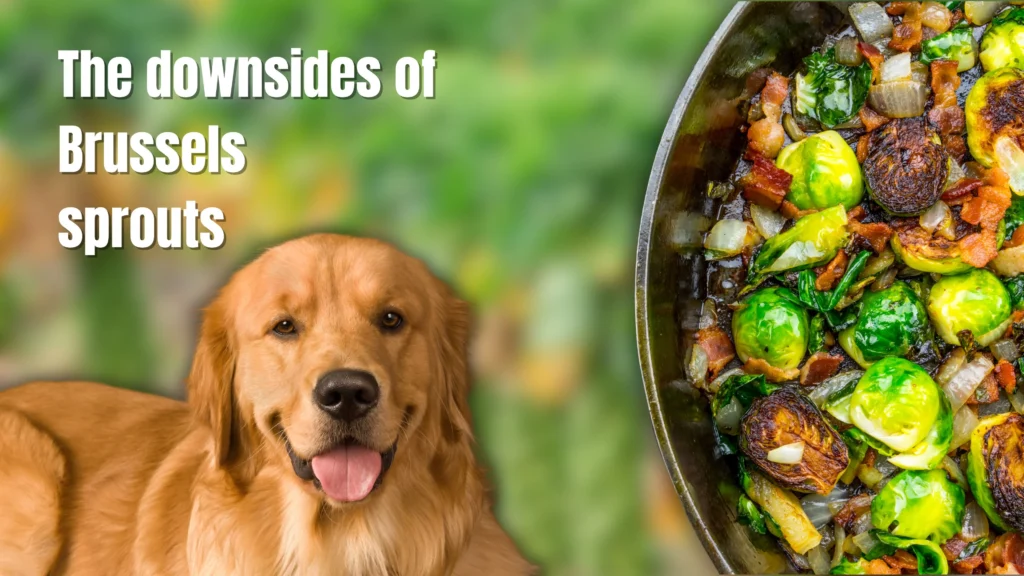
    The downsides of Brussels sprouts

    Brussels sprouts are healthy for dogs, but they can cause gas due to isothiocyanates, which help intestinal muscles push food through the digestive tract. While moderate amounts can improve digestion, too many sprouts may lead to excessive gas, stomach upset, and diarrhea. The gas, though unpleasant, isn’t harmful, but consult a vet if symptoms persist.

    Raw Brussels sprouts and their fibrous stalks can be difficult for dogs to digest, potentially causing gastrointestinal issues or blockages. Cooking the sprouts and peeling the stalks make them safer. Always serve Brussels sprouts in moderation to avoid digestive discomfort for your dog.

    Are Brussels sprouts bad for dogs?

    Brussels sprouts can benefit dogs but should be served in moderation to avoid digestive issues. The vegetable contains raffinose, a carbohydrate that can cause gas and bloating in both dogs and humans. While flatulence is not harmful, it can be uncomfortable and bothersome for both you and your dog as their digestive system processes the sprouts.

    Cooking Brussels sprouts and cutting them into small pieces can help prevent choking or intestinal blockage. The high fiber content promotes bowel movements, but too many sprouts can lead to diarrhea and stomach upset. Always serve them plain and cooked to deactivate enzymes that may interfere with thyroid function, and avoid adding seasonings like butter or bacon.

  • Can Dogs Eat Cauliflower?

    Can Dogs Eat Cauliflower?

    Cauliflower, a polarizing vegetable, is packed with essential nutrients like antioxidants, vitamins, and minerals, making it a powerhouse for boosting immune health in humans. Can Dogs Eat Cauliflower? While some kids might slip it to their dogs under the table due to its bland taste, this action may benefit their furry friends. But is cauliflower as healthy for dogs as it is for us?

    The short answer is yes—dogs can safely eat cauliflower, and it can be a nutritious addition to their diet when given in moderation. Rich in dietary fiber and vitamins, cauliflower offers many benefits for dogs, including supporting their immune system and providing a variety of nutrients. However, overfeeding this vegetable could lead to digestive issues, so portion control is important.

    Before making cauliflower a regular part of your dog’s meals, it’s wise to consult with a vet to ensure it’s safe for your particular pet. When introduced properly, cauliflower can be a healthy snack or meal supplement, offering similar benefits to what humans experience.

    Is Cauliflower Nutritious For Dogs?

    Cauliflower can be a nutritious addition to your dog’s diet when given in moderation, according to Dr. Iram Gladan, DVM. Packed with vitamins C and K, fiber, and antioxidants, it supports the immune system, promotes bone health, and contributes to overall well-being. Vitamin C helps protect cells and strengthens immunity, while vitamin K is crucial for blood clotting and vascular health.

    The fiber content in cauliflower is beneficial for digestion, helping prevent diarrhea and constipation, and can also create a feeling of fullness, which may aid in weight management. Its low-calorie nature makes it a great snack for dogs on weight-loss diets, and its high water content offers hydration, keeping them satisfied with fewer calories.

    Additionally, cauliflower contains glucosinolates and other plant compounds that may reduce inflammation and offer protection against chronic diseases and certain cancers. With its low sugar content, it’s an ideal choice for dogs needing a healthy, satisfying snack without the risk of weight gain or related issues like diabetes.

    Can Dogs Eat Cauliflower?

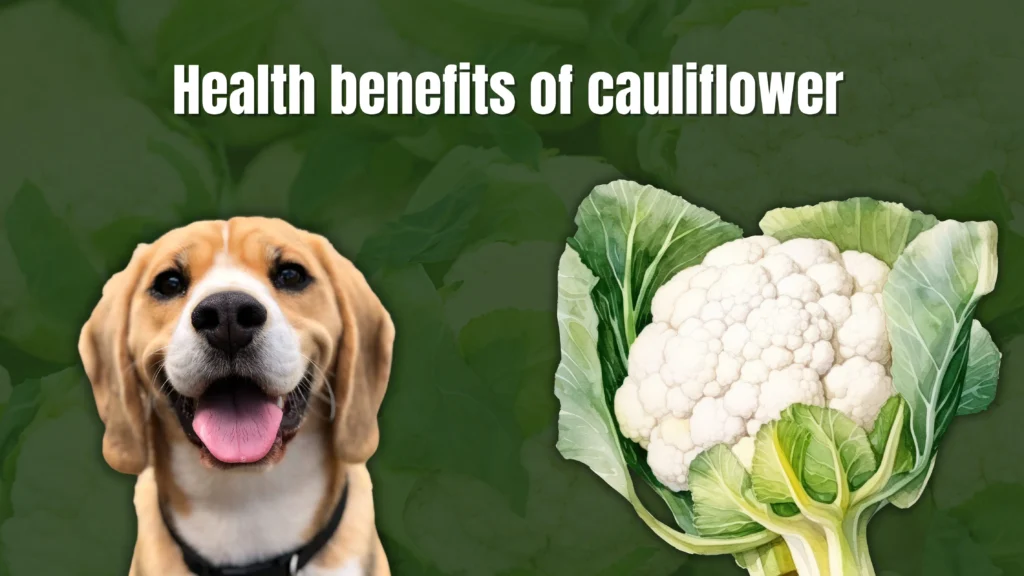
    Health benefits of cauliflower

    Cauliflower, a polarizing vegetable, is packed with essential nutrients like antioxidants, vitamins, and minerals, making it a powerhouse for boosting immune health in humans. While some kids might slip it to their dogs under the table due to its bland taste, this action may benefit their furry friends. But is cauliflower as healthy for dogs as it is for us?

    The short answer is yes—dogs can safely eat cauliflower, and it can be a nutritious addition to their diet when given in moderation. Rich in dietary fiber and vitamins, cauliflower offers many benefits for dogs, including supporting their immune system and providing a variety of nutrients. However, overfeeding this vegetable could lead to digestive issues, so portion control is important.

    Before making cauliflower a regular part of your dog’s meals, it’s wise to consult with a vet to ensure it’s safe for your particular pet. When introduced properly, cauliflower can be a healthy snack or meal supplement, offering similar benefits to what humans experience.

    How Much Cauliflower Can Dogs Eat? 

    Dogs can enjoy cauliflower whether it’s raw, frozen, or cooked plain—without added ingredients like salt, butter, garlic, or onion. Garlic and onion are toxic to dogs, so it’s best to stick to simple preparations like steaming, which makes the vegetable easier to digest. Regardless of how you prepare it, make sure to let the cauliflower cool before serving to prevent burns. You can mix small pieces into their regular food, offer it as a standalone treat, or blend it into a dog-friendly smoothie.

    When feeding cauliflower, portion control is essential. Treats, including cauliflower, should make up no more than 10% of your dog’s daily caloric intake. Smaller dogs only need a few florets, while larger dogs can handle a bit more. It’s important to introduce cauliflower gradually to avoid digestive issues, starting with small amounts to monitor your dog’s reaction.

    If your dog has a sensitive stomach, cooking cauliflower by boiling or steaming can make it easier to digest, although it may lose some nutrients. Raw or frozen cauliflower contains the most nutrients but can be harder to digest and may upset the stomach. Always serve it in small, manageable pieces to prevent choking.

    Can Dogs Eat Cauliflower?

    How to Prepare Cauliflower for Dogs

    When introducing cauliflower or any new food to your dog, start with a small amount to see how they tolerate it. Both raw and cooked cauliflower are safe, but raw can be harder to digest and may cause stomach upset, especially for dogs not used to raw vegetables. Cooked cauliflower is easier to digest, though the sulfur odor might deter some dogs. Regardless of preparation, always serve it plain—without butter, oils, or spices.

    For dogs with dental issues or sensitive stomachs, cooked cauliflower, especially boiled or steamed, is the best option. Cooking helps break down the fibrous content, making it easier for senior or smaller dogs to chew. Whether serving it raw or cooked, always cut cauliflower into small, manageable pieces to avoid choking hazards and wash it thoroughly to remove any dirt or pesticide residue.

    Moderation is key—small dogs can have 1-2 florets per day, medium dogs 2-3, and larger dogs up to 4. Cauliflower, like any treat, should make up less than 10% of your dog’s daily caloric intake. Always avoid adding harmful ingredients like onions or garlic, which can be toxic to dogs.

  • Can Dogs Eat Nectarines?

    Can Dogs Eat Nectarines?

    Nectarines can be a healthy and delicious treat for dogs when offered in moderation. Packed with vitamins A and C, potassium, magnesium, and fiber, they provide numerous health benefits such as boosting immune function, promoting healthy digestion, and supporting eye and coat health.
    Can Dogs Eat Nectarines However, it’s essential to remove the pit before sharing nectarines with your dog, as the pit can pose a choking hazard and may even lead to intestinal blockages if ingested.

    The natural sugars in nectarines also mean that this fruit should be an occasional treat, as too much can upset a dog’s digestive system, causing diarrhea. While nectarines are not toxic to dogs, always monitor your pet after introducing new foods and consult your vet if you’re unsure. With proper precautions, this summer fruit can be a sweet and safe snack for your canine companion.

    Are Nectarines Good for Dogs?

    Nectarines can be a healthy treat for dogs when given in small portions. They are packed with essential vitamins and minerals like magnesium, potassium, and vitamins A and C, which can provide several health benefits. These include supporting the immune system, improving digestion, and promoting healthy skin and coat.

    However, the pit of the nectarine is poisonous and must be removed before feeding it to your dog. If ingested, it could pose serious health risks, including choking or causing intestinal blockages. While nectarines offer nutritional benefits, dogs should only consume them in moderation.

    The fruit’s high sugar content, along with its dietary fiber, can cause digestive issues such as diarrhea if overconsumed. Veterinarians recommend offering small amounts—one to two slices for small dogs and four to five for larger breeds. Canned nectarines, often packed with preservatives and added sugars, should be avoided entirely, as these can lead to obesity, diabetes, and tooth decay.

    For dogs with sensitive stomachs, even a small amount of nectarines may result in upset digestion, making it essential to introduce the fruit slowly. The fiber content can be beneficial for regularity but too much can easily cause tummy troubles. As a natural fruit, nectarines are low in calories, making them a safer occasional snack compared to processed treats, but they shouldn’t replace a well-balanced canine diet.

    In addition to promoting digestion, the vitamins in nectarines, especially vitamin A, can support healthy skin and a shiny coat for your dog. The antioxidants also contribute to fighting free radicals, helping to keep your dog’s body in good health.

    Nevertheless, it’s important to note that the nutritional benefits your dog gains from the fruit are limited due to the small quantities that are safe to serve. Overall, nectarines can be a beneficial addition to your dog’s diet, but only as an occasional treat and never in large amounts. Always consult with your vet before introducing new foods into your pet’s diet to ensure their health and well-being are prioritized.

    Can Dogs Eat Nectarines

    Can Nectarines Be Bad for Dogs?

    Nectarines can be a healthy treat for dogs when given in moderation, but they come with certain risks. While the fruit itself is packed with vitamins and fiber that can benefit your dog, the high sugar content means it should only be offered occasionally.

    Dogs with conditions like diabetes or obesity should avoid nectarines entirely. The biggest concern is the pit, which contains trace amounts of cyanide and poses a choking hazard or risk of intestinal blockage if swallowed. Rotten nectarines can also produce ethanol, which is toxic to dogs. Always remove the pit and ensure the fruit is fresh before sharing it with your pet. As with any new food, consult your vet before adding nectarines to your dog’s diet. Dogs also eat popcorn.

    Can Dogs Eat Nectarines

    How Many Nectarines Can Dogs Eat?

    Nectarines can be a healthy treat for dogs when given in moderation. They are rich in vitamins and fiber, which can benefit your dog’s overall health. However, it’s important to remove the pit, as it poses a choking hazard and contains toxic substances. Additionally, too much nectarine can cause digestive issues due to its high sugar and fiber content. Always offer small portions and consult with your vet before introducing new foods into your dog’s diet.