Category: Vegetables

  • Can Dogs Eat Bell Peppers?

    Can Dogs Eat Bell Peppers?

    Bell peppers, known for their vibrant colors and nutritional benefits, are a safe option for dogs when given in moderation. Unlike other peppers such as jalapeños and chili peppers, which contain capsaicin and can harm dogs, bell peppers lack this irritating substance. Can Dogs Eat Bell Peppers? This makes them a suitable and enjoyable treat for your furry friend, offering a variety of essential vitamins and minerals that benefit both dogs and their owners.

    Rich in vitamin C and dietary fiber, bell peppers provide a low-calorie, low-fat snack that can enhance your dog’s diet. While the Capsicum genus includes a range of peppers with flavors that can vary from sweet to spicy, bell peppers are particularly mild and healthy for dogs. According to Dr. Carly Fox, a Senior Veterinarian at the Schwarzman Animal Medical Center, bell peppers are a non-toxic and nutritious addition to your pet’s diet, serving as a safe alternative snack that supports overall health.

    How to Safely Prepare Bell Peppers for Dogs

    Sweet bell peppers can be a nutritious addition to your dog’s diet, providing essential vitamins and fiber while being low in calories. These peppers, available in colors like red, green, yellow, and orange, do not contain capsaicin, making them a safe treatment option. Red bell peppers, particularly, are highly beneficial due to their rich nutrient profile, which supports immune function, eye health, and skin condition.

    However, it is crucial to avoid feeding dogs hot peppers such as jalapeños or chili peppers, which contain capsaicin and can cause digestive upset. When preparing bell peppers for your dog, remove seeds and stems, and consider cooking or pureeing the peppers to make them easier to digest. Always introduce new foods gradually and consult with your veterinarian to ensure they are suitable for your pet’s diet.
    Can Dogs Eat Bell Peppers?

    How Many Bell Peppers Can Dogs Eat? 

    Introducing bell peppers into your dog’s diet can be beneficial, but it’s important to do so in moderation to avoid potential stomach issues like diarrhea or vomiting. If your dog experiences any adverse effects after eating bell peppers, discontinue giving them this treat. It’s advisable to consult with your veterinarian before adding bell peppers to your dog’s diet to determine the appropriate amount based on your pet’s individual needs.

    When incorporating bell peppers, start with small portions to gauge your dog’s tolerance. For large dogs, limit the serving to less than half a pepper, and for small dogs, less than a quarter. Always remove seeds and stems, and consider cooking or pureeing the peppers to make them easier to digest. Avoid adding any seasonings or mixing them with toxic ingredients like garlic or onions. Treats, including bell peppers, should only make up about ten percent of your dog’s daily caloric intake.

    What Other Vegetables Can Dogs Eat?

    Many vegetables can be safely included in your dog’s diet, provided they are introduced gradually and in moderation. Vegetables like broccoli, carrots, cauliflower, cucumbers, green beans, and sweet potatoes offer various vitamins and fiber, benefiting your dog’s overall health. However, some vegetables, such as onions, garlic, and chives, are toxic and should be avoided. Always monitor your dog for any digestive issues when adding new veggies and consult with your veterinarian for tailored dietary advice.

    Among the vegetables safe for dogs, bell peppers—especially red ones—are particularly nutritious and can be given in small, chopped pieces. Yellow and green peppers are also healthy options when served plain and raw. On the other hand, spicy peppers like jalapeños should be avoided, as they can cause discomfort and digestive problems in dogs.

    What Are the Health Benefits?

    Bell peppers, particularly red ones, are highly nutritious for dogs, offering an array of vitamins such as A, C, and E. These vitamins support various aspects of your dog’s health, including their immune system, skin condition, and eye health. Red bell peppers, in particular, are packed with beta-carotene, which converts into vitamin A and contributes significantly to a dog’s overall well-being. They are also low in calories and fat, making them a great choice for maintaining a healthy weight while providing beneficial antioxidants and anti-inflammatory properties.

    Incorporating bell peppers into your dog’s diet can provide digestive benefits due to their high fiber content, which helps prevent constipation. However, while bell peppers are generally beneficial, it’s important to avoid adding salt or black pepper to your dog’s food, as excessive salt can be harmful, and large quantities of black pepper may cause digestive upset. Always offer bell peppers in moderation and consult with your veterinarian before introducing any new foods to ensure they are suitable for your pet’s specific needs.
    Can Dogs Eat Bell Peppers?

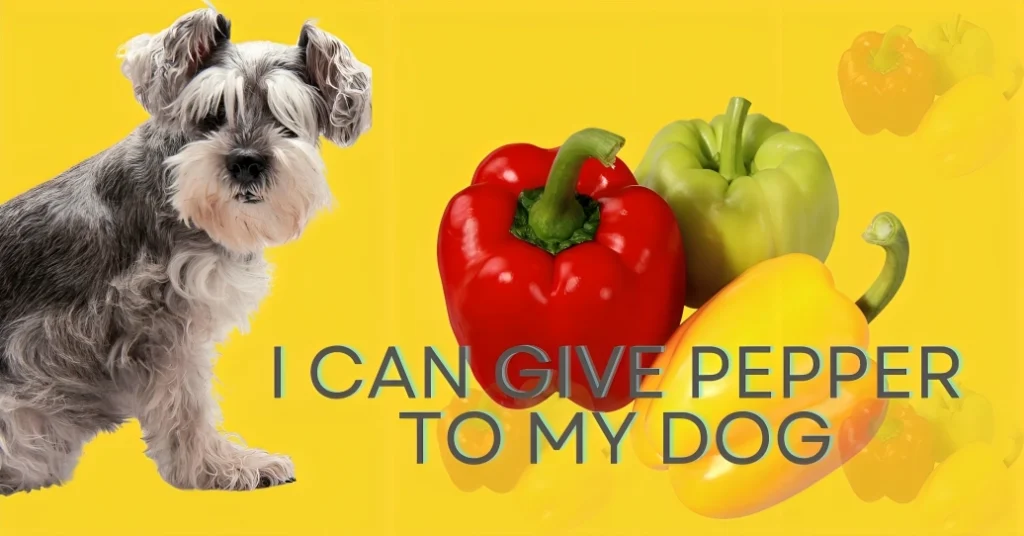
    How to safely give peppers to your dog? 

    Peppers can be a nutritious treat for dogs when served properly. Choose fresh, brightly colored peppers and rinse them thoroughly to remove any pesticides. Ensure you remove the stem and seeds, and cut the peppers into small, manageable pieces to prevent choking. Peppers can be offered raw or sprinkled on top of grain-free dog food, but avoid adding any seasonings or sauces, and steer clear of hot or spicy varieties.

    Introduce peppers gradually into your dog’s diet and monitor their response to ensure they don’t have any adverse reactions. Peppers are low in calories and provide beneficial vitamins like C and A, making them a healthy occasional snack. Always consult your veterinarian before making significant changes to your dog’s diet to ensure the new addition is appropriate for their specific health needs.

  • Can Dogs Eat Garlic?

    Can Dogs Eat Garlic?

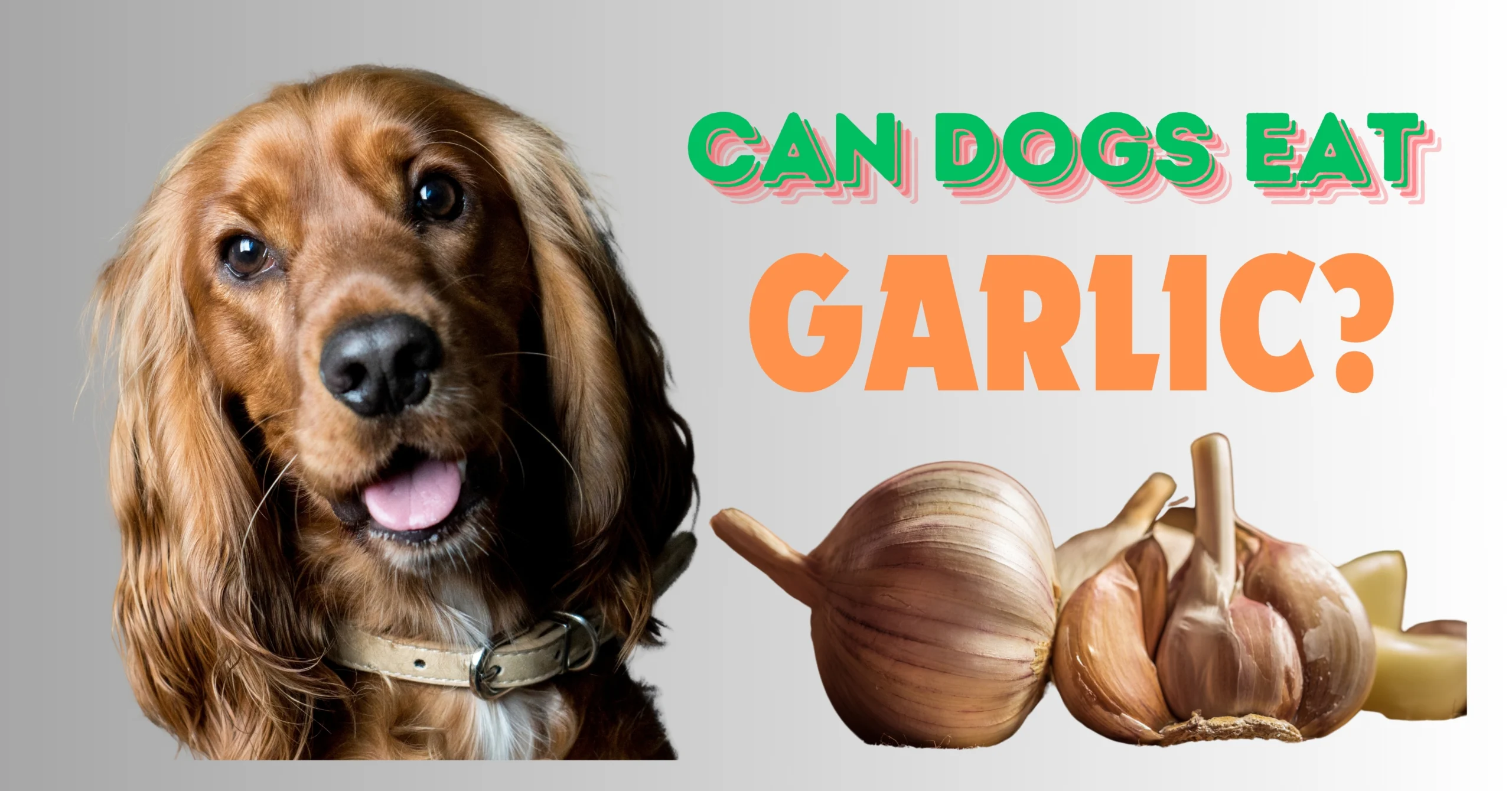
    Garlic, though a staple in many human dishes, is highly toxic to dogs and should never be given to them. While its irresistible aroma may draw your pet into the kitchen, the risk it poses far outweighs any momentary satisfaction they might get from a bite. Can Dogs Eat Garlic? Even in small amounts, garlic can lead to serious health issues for dogs, making it essential to avoid sharing food containing garlic. Pet owners must be aware that some human foods, like garlic, are not safe for their pets.

    When a dog consumes garlic, it can result in symptoms of poisoning, such as vomiting, weakness, and digestive problems. These signs might not appear immediately but can worsen over time, leading to further complications. Acting quickly by seeking veterinary care can help mitigate the risks and prevent lasting harm to your dog. Prevention is critical, so keeping garlic-rich foods away from curious pets is the safest option.

    Dog owners need to educate themselves about the foods that are hazardous to their pets. While garlic may have health benefits for humans, its toxicity to dogs is undeniable, requiring caution in the kitchen and at the dinner table. Prioritizing a dog’s health by sticking to foods that are specifically designed for them is essential for their overall well-being and longevity.

    Why is garlic bad for dogs?

    Garlic contains thiosulfate, a compound that is toxic to dogs but harmless to humans. Even small amounts of garlic can damage a dog’s red blood cells, leading to decreased oxygen supply to the body. This can result in symptoms such as lethargy, vomiting, and gastrointestinal issues.

    Plants in the Allium family, including onions and leeks, pose similar risks for dogs due to the presence of N-propyl disulfides and thiosulfates. When these compounds are metabolized, they can destroy red blood cells, leading to serious health complications. If left untreated, the consumption of large amounts of garlic can be fatal for dogs.

    While some older studies suggested the potential health benefits of garlic for dogs, more recent research has identified the risks of toxicity. Even though dogs may not show immediate outward symptoms, the long-term damage to their blood cells is a serious concern. For this reason, it’s best to avoid feeding garlic to dogs altogether

    Can Dogs Eat Garlic?

    What are the signs of garlic poisoning in dogs?

    If you suspect your dog has eaten garlic, it’s essential to act quickly and be aware of the following key points:

    Contact your vet immediately

     If you believe your dog has ingested garlic, even if symptoms are not yet visible.

    Symptoms of garlic toxicity

    May take a few days to appear, so don’t wait for signs before seeking veterinary help.

    Early symptoms

     To watch for include lethargy, abdominal pain, vomiting, diarrhea, drooling, panting, and weakness

    Severe symptoms

    Can include pale gums, yellowing of the skin and eyes, bloody urine, increased heart rate, and difficulty breathing.

    Smaller dogs

    Are at higher risk, and the severity of symptoms increases with the amount of garlic consumed.

    Signs of anemia

     Such as weakness, ataxia (lack of coordination), and cyanosis (blue gums/skin) should be addressed immediately.

    Always observe

     Your dog’s behavior after any garlic ingestion, as this can provide valuable information to your vet.

    Don’t delay contacting the vet

    As garlic toxicity can escalate and become life-threatening without timely intervention.

    Can Dogs Eat Garlic?

    Can dogs eat garlic bread?

    Garlic bread is not safe for dogs, as even the small amounts of garlic in it can be harmful. Garlic is toxic to dogs and, when combined with the high-fat content from butter, oil, and cheese, can lead to digestive issues like vomiting or diarrhea. Additionally, the excessive calories and fat in garlic bread provide no nutritional benefits and may contribute to obesity in pets. While garlic bread contains less garlic than other garlic-based foods, the risk of toxicity remains. This makes it essential to keep garlic bread and other similar foods out of your dog’s reach.

    Beyond the garlic, rich ingredients like butter and cheese can also cause more severe health problems such as pancreatitis, especially in dogs unaccustomed to eating fatty foods. Dogs’ digestive systems are not designed to process these types of ingredients, making garlic bread particularly problematic. Even though it may seem like a harmless treat, feeding your dog garlic bread can lead to serious health complications. It’s always best to stick to dog-safe foods to ensure

    Treating Garlic Toxicity in Dogs

    If your dog eats a large amount of garlic, it’s essential to take them to the veterinarian immediately. Although garlic poisoning is rarely fatal, your dog may need supportive care to manage symptoms and ensure comfort. Your vet might administer intravenous fluids to keep your dog hydrated and prescribe medications to address vomiting.

    In severe cases, garlic toxicity can cause significant damage to red blood cells, potentially leading to anemia. In such situations, a blood transfusion may be necessary. Prompt medical attention is crucial to help your dog recover and avoid long-term health issues.

  • Is it Safe for Dogs to Eat Corn?

    Is it Safe for Dogs to Eat Corn?

    Feeding your dog corn can be safe in moderation, especially if removed from the cob. Corn provides various nutrients, including vitamins and minerals, and is found in many dog foods due to its affordability and nutritional value. Is it Safe for Dogs to Eat Corn? However, Corn should always be served plain, without added butter or salt, as these can lead to health issues such as obesity, pancreatitis, and salt poisoning.

    While Corn is generally safe for dogs, caution is needed with Corn on the cob. The cob can pose serious risks, including gastrointestinal obstructions or choking, as it does not break down well in a dog’s stomach. If your dog ingests a corn cob or shows signs of distress like vomiting, diarrhea, or abdominal discomfort, seek veterinary care immediately. To prevent accidents, ensure that corn cobs are disposed of properly and are not accessible to your pet.

    What are the Dangers of Feeding Corn on the Cob to Your Dog?

    Corn on the cob can be dangerous for dogs due to the risk of choking or intestinal blockages. If swallowed, the cob may get stuck in the dog’s throat or intestines, often requiring surgery to prevent serious harm. Even the kernels can cause digestive issues or get stuck in the dog’s teeth, leading to infections or discomfort.

    Corn can be safe for dogs if given in moderation and off the cob. However, some dogs may be allergic to Corn, showing signs like vomiting, diarrhea, or skin irritation. If your dog displays any of these symptoms, consult a vet immediately.

    Your vet may recommend an elimination diet to identify the problem if a corn allergy is suspected. While corn allergies are rare, they can still cause significant discomfort for your dog. Always ensure their food is suitable for their specific needs.

    Is it Safe for Dogs to Eat Corn?

    Should You Keep Corn Away from Your Dog?

    Before feeding your dog corn on the cob, it’s essential to consult your vet, as they can assess if it’s suitable based on your dog’s breed and specific needs. Corn, especially when buttered, is high in calories and could contribute to weight gain or health issues. Additionally, some dogs may have undiagnosed allergies to Corn, making it crucial to consider your dog’s dietary history before introducing this food.

    Corn allergies are rare, with less than one percent of dogs having a sensitivity to Corn, as noted by experts. However, a corn-free diet is recommended if your dog is among that small percentage. To confirm food sensitivities, your veterinarian may suggest an elimination diet to pinpoint the cause of allergic reactions.

    Since dogs can be crafty when hunting for food, especially if they find corn cobs tempting, it’s essential to dispose of them properly. Keep corn cobs out of reach by storing them in a sealed outdoor trash can or even a freezer bag until trash day. When hosting guests, ensure everyone knows that the dog should not be given corn cobs and table scraps.

    Is it Safe for Dogs to Eat Corn?

    Does Corn Have Any Nutritional Value for Dogs?

    Corn provides various nutrients that are beneficial to dogs. It contains easily digestible carbs, which serve as an energy source for your furry friend. Protein and amino acids in Corn are vital for maintaining healthy skin, hair, and muscles. The antioxidants, such as beta-carotene and vitamin E, help support the immune system, ensuring your dog stays healthy.

    Linoleic acid, an omega-6 fatty acid found in Corn, is crucial as canines can’t produce it independently. This essential nutrient aids in maintaining a healthy immune system, coat, and skin. Dietary fiber in Corn promotes gut health and improves motility, ensuring smoother digestion for dogs.

    Grains like Corn aren’t just fillers in dog foods. Corn offers highly digestible carbohydrates, essential fatty acids, and proteins when properly cooked. It is also naturally rich in antioxidants, contributing to overall health benefits for dogs.

    What to Do If Your Dog Ate a Corn Cob

    Dogs enjoy chewing on corn cobs, which can lead to serious health risks. If swallowed, the cob can cause choking or gastrointestinal blockage, particularly in smaller or medium-sized breeds. Corn cobs don’t break down in a dog’s stomach and may not pass through the GI tract. Symptoms include vomiting, diarrhea, lethargy, abdominal pain, and loss of appetite. If you notice these signs, seek veterinary help immediately.

    Always dispose of corn cobs to prevent your dog from accessing them correctly. Dogs often rummage through the trash, so place corn cobs in a secure outside trash can. Avoid sharing Corn on the cob with your dog, as even a tiny piece can lead to health issues.

    Nutritionally, Corn provides dogs with protein, carbohydrates, linoleic acid, and antioxidants like vitamin E and beta-carotene, which support muscle health, the immune system, and coat maintenance. Corn also promotes gut health through its dietary fiber content, making it a beneficial ingredient in dog foods when given safely.